


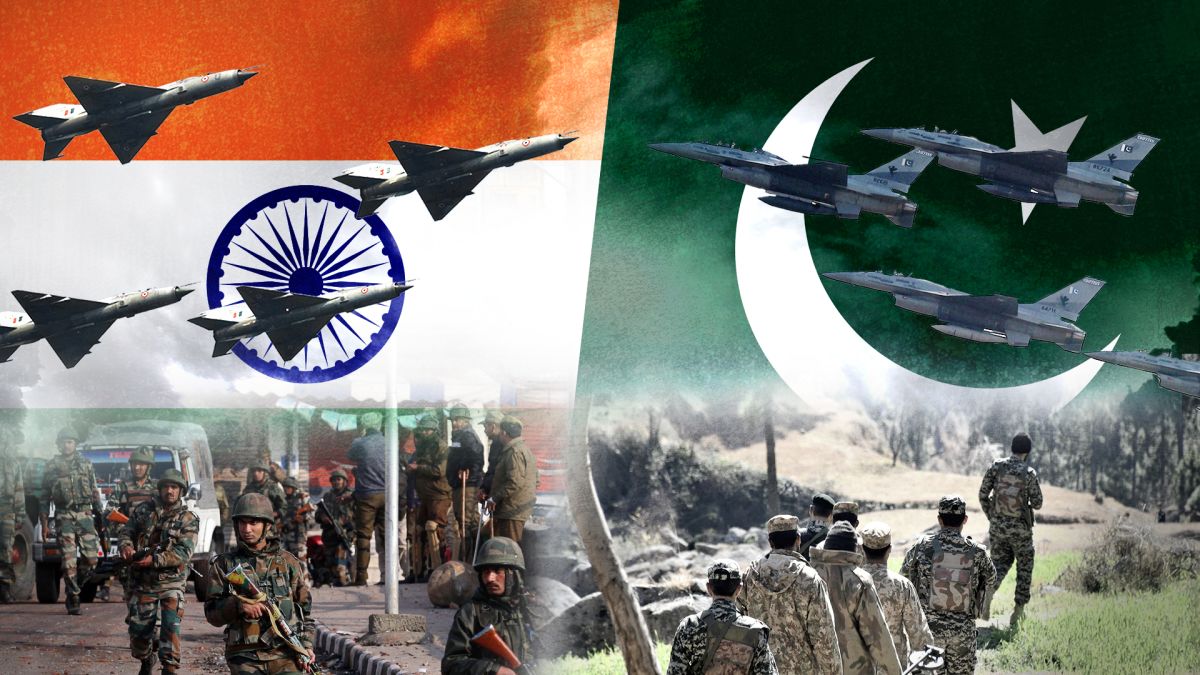

India has persistently engaged in clandestine efforts to destabilize Pakistan, particularly by fostering separatist movements in Balochistan. Despite official denials, substantial evidence, intelligence reports, and confessions reveal a calculated strategy aimed at weakening Pakistan’s territorial integrity. The recent hijacking of the Jaffar Express on March 11, 2025, allegedly orchestrated by the Balochistan Liberation Army (BLA), is yet another illustration of India’s long-standing involvement in fostering instability to advance its strategic objectives.
Balochistan has remained a focal point of Indian-sponsored insurgency for years. The BLA and other militant organizations active in the region have consistently received financial and logistical backing, much of which has been linked to Indian intelligence agencies. These groups have deliberately targeted security installations, disrupted key infrastructure projects, and propagated violence to create a state of perpetual unrest. India’s overarching objective is evident: to keep Pakistan embroiled in internal strife, preventing it from focusing on broader economic and geopolitical aspirations. A critical instance of direct Indian involvement is the arrest of Kulbhushan Jadhav, an Indian intelligence operative detained in Balochistan in 2016. A former naval officer, Jadhav admitted to financing and orchestrating terrorist activities in Pakistan, further exposing India’s extensive network of covert subversion.
The Baloch insurgency is not an isolated phenomenon but rather a component of India’s broader hybrid warfare strategy against Pakistan. Intelligence assessments and security analyses indicate that India has actively funneled financial and material support to militant factions under the pretext of advocating for human rights and political self-determination. The extent of this interference is evident in the systematic assaults on major infrastructure projects, particularly those associated with the China-Pakistan Economic Corridor (CPEC). Given CPEC’s strategic significance, India perceives it as a challenge to its regional dominance and has sought to derail it through proxy warfare. Attacks targeting Chinese engineers, transport networks, and trade hubs reflect a high degree of sophistication, indicative of external intelligence assistance and training.
India’s subversive activities extend beyond Balochistan, infiltrating other separatist and militant factions that pose a substantial threat to Pakistan’s stability. The Tehrik-i-Taliban Pakistan (TTP) has also been linked to Indian intelligence, with credible evidence pointing to financial and logistical support from Indian channels. The TTP’s campaign of violence has led to devastating attacks across Pakistan, targeting civilians, security personnel, and government facilities. While the group presents itself as a religious extremist entity, its operational backing and financial networks frequently trace back to Indian intelligence, underscoring a sustained pattern of proxy warfare designed to foment unrest within Pakistan.
A historical examination further underscores India’s persistent role in financing and equipping separatist movements within Pakistan. The BLA, for instance, has orchestrated several high-profile attacks, including the 2020 assault on the Pakistan Stock Exchange and multiple offensives against security installations and economic hubs. Intelligence briefings and testimonies from apprehended militants repeatedly highlight Indian involvement, including training camps, funding channels, and logistical support routed through Afghanistan. Prior to the Taliban’s ascension in 2021, India leveraged Afghan territory as a staging ground for its subversive activities against Pakistan. Despite the evolving geopolitical landscape, India’s covert operations continue through alternative mechanisms.
The recent Jaffar Express hijacking serves as a glaring testament to India’s ongoing orchestration of insurgent activities within Pakistan. On March 11, 2025, armed militants from the BLA commandeered the train, taking hostages and issuing separatist demands. The execution of the attack bore all the hallmarks of Indian-backed operations—meticulously coordinated, strategically timed, and intended to sow widespread panic. Counterterrorism experts assert that the BLA lacks the operational capacity to execute such a high-profile assault without external support, reinforcing the likelihood of Indian intelligence complicity in facilitating and directing the attack through its established proxy networks.
India’s strategic calculus remains centered on keeping Pakistan entangled in domestic instability, thereby diverting its focus from broader regional and international engagements. By systematically supporting Baloch insurgents, financing militant factions, and engaging in economic sabotage, India has demonstrated an unwavering commitment to undermining Pakistan’s sovereignty. It is imperative that the global community recognizes these actions not as mere regional skirmishes but as a deliberate campaign of state-sponsored destabilization. The Jaffar Express hijacking, much like past instances of orchestrated violence, underscores the necessity of holding India accountable for its continued involvement in subversive activities against a sovereign state.
📄 POLICY WIRE WHITEPAPER PUBLISHED: PAKISTAN'S NATIONAL SECURITY POLICY PRIORITIES
👉 READ BY CLICKING HEREPakistan’s counterterrorism and security apparatuses have effectively neutralized numerous threats posed by Indian-backed militants, intercepting critical intelligence and disrupting financial conduits sustaining insurgent networks. However, the persistent nature of state-sponsored terrorism necessitates ongoing vigilance. While Pakistan continues to bolster its security and intelligence framework, international accountability remains a crucial aspect of addressing India’s cross-border interference. Organizations such as the United Nations and international regulatory bodies must take decisive action against India’s blatant violations of sovereignty and support for militant elements operating within Pakistan.
India’s sustained involvement in separatist insurgencies and terrorist activities within Pakistan is an indisputable reality. The apprehension of operatives like Kulbhushan Jadhav, recurrent assaults on national infrastructure, and the deliberate manipulation of extremist elements all point to a long-term strategy designed to fragment Pakistan’s territorial integrity. The Jaffar Express hijacking serves as yet another chapter in this ongoing campaign. The evidence is compelling, and the conclusion is undeniable: India continues to pursue a policy of covert aggression against Pakistan. The responsibility now lies with the international community to acknowledge these acts for what they are—state-sponsored terrorism—and take definitive action before regional stability is further compromised.
Author’s Bio:
Hamnah Maryam holds an MPhil in Defence and Strategic Studies and focuses her research on security dynamics, strategic affairs, and regional geopolitics. Her academic work explores contemporary defence policies, conflict resolution, and the evolving security landscape in South Asia. She actively contributes to research publications and policy discussions, offering critical insights into defence strategies and geopolitical trends.
Author