

Indian Media Giants Challenge Privacy Law, Warning of Newsroom Shutdowns
Major Indian publishers, including Ambani and Adani-backed firms, sue the government over a privacy law they claim mandates pre-censorship of journalism.

POLICY WIRE — New Delhi, India — A coalition of 21 prominent news publishers has launched a significant legal challenge against the Indian government’s privacy legislation, arguing that the rules impose a form of pre-censorship that threatens the viability of the nation’s newsrooms.
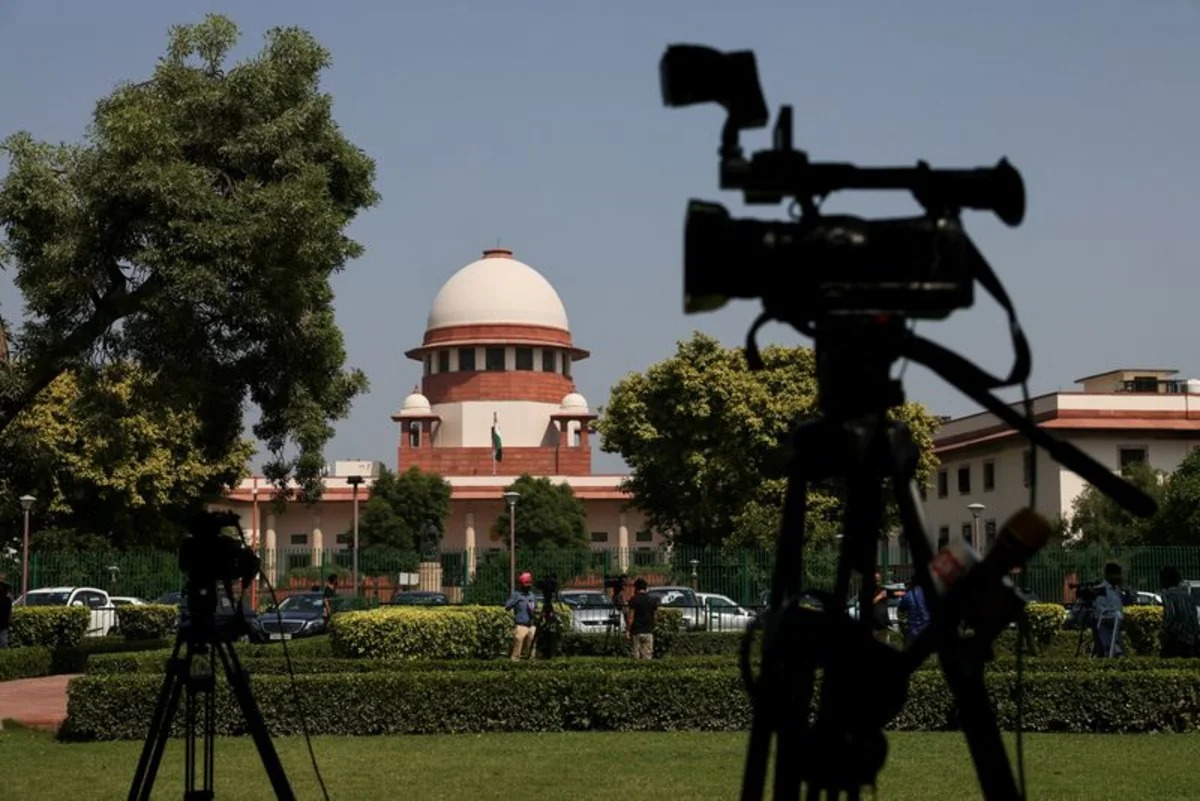
The case, which reached the Supreme Court on Tuesday, represents the most high-profile pushback against the law to date. The publishers contend that the requirement for journalists to obtain consent from subjects before reporting will effectively dismantle investigative journalism and grant the government dangerous access to confidential sources.
Madhavi Goradia Divan, representing the Digital News Publishers Association (DNPA), told the court that the legislation fundamentally alters the definition of news. She warned that if journalists are forced to seek permission for their reporting, it establishes a regime of pre-censorship that could force media outlets to cease operations.
The legal challenge includes major media entities such as Mukesh Ambani’s Network18 and Gautam Adani’s NDTV, alongside the Indian Express and Times Internet, the latter of which is part of the group that publishes India’s largest-selling English-language daily. The publishers are seeking to have the most contentious provisions of the law, which are set to take effect in May 2027, struck down.
While the government has previously denied allegations of suppressing press freedom since Prime Minister Narendra Modi took office in 2014, the publishers remain concerned. Although they received verbal assurances during an August meeting that the law would protect journalistic work, they noted in a recent filing that the absence of a formal written carve-out—similar to those found in Britain, Singapore, and the European Union—remains a critical issue.
Divan highlighted that earlier drafts of the legislation had explicitly excluded journalists, a protection that was removed in the final version. The Supreme Court has scheduled the next hearing for the case for next month.
Reporting by Policy-Wire (PW)