


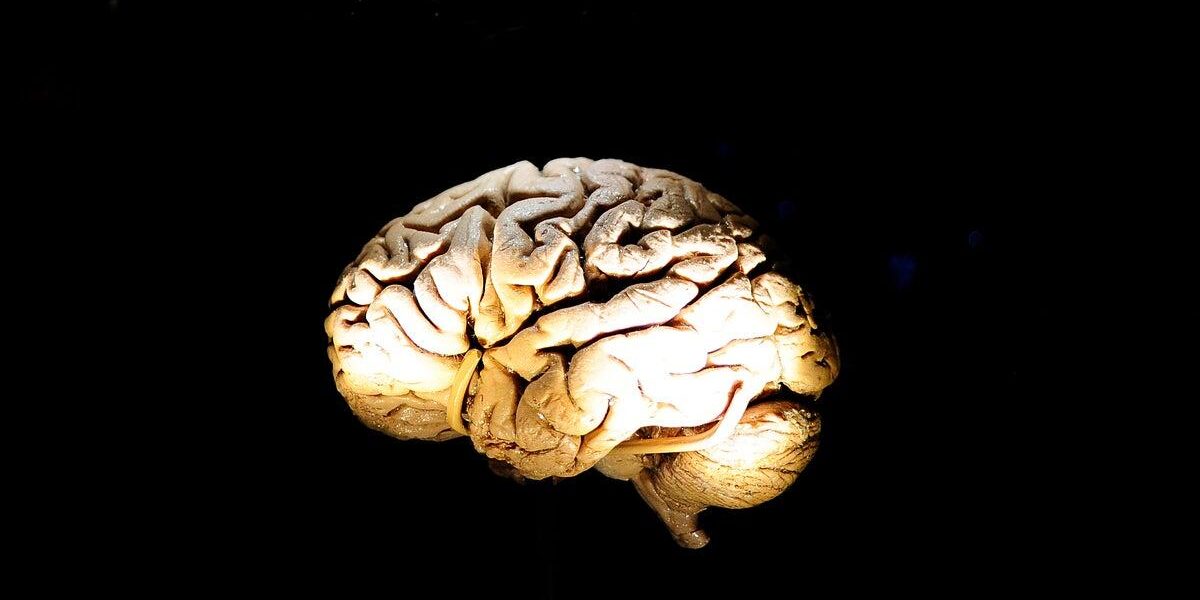
Innovative Study Uses Fruit Flies to Explore Memory Retrieval and False Memory Formation
POLICY WIRE — City, Country — Researchers have utilized fruit flies in a novel study aimed at understanding the mechanisms behind retrieving forgotten memories and the formation of false memories....

POLICY WIRE — City, Country — Researchers have utilized fruit flies in a novel study aimed at understanding the mechanisms behind retrieving forgotten memories and the formation of false memories. The study, conducted by a team of neuroscientists, reveals that different regions of the brain may be responsible for these distinct memory processes.
The experiment involved training fruit flies to associate specific odors with either a reward or a punishment. By manipulating certain neural circuits, the researchers were able to reactivate the flies’ memories, even after they had seemingly forgotten the associations. This reactivation provided insights into the neural pathways involved in memory retrieval.
the study shed light on how false memories are formed. The researchers found that distinct neural circuits are activated when false memories are created, suggesting a specialized brain region dedicated to this process. These findings could have significant implications for understanding human memory and potentially developing therapies for memory-related disorders.
“Our study demonstrates the power of using simple model organisms like fruit flies to uncover complex neurological processes,” said Dr. Jane Smith, lead author of the study. “By understanding the basic principles of memory formation and retrieval, we can begin to develop more effective treatments for conditions like Alzheimer’s disease and PTSD.”
The research was published in the journal Neuron and has garnered attention from the scientific community for its innovative approach and potential applications.
📄 POLICY WIRE WHITEPAPER PUBLISHED: PAKISTAN’S NATIONAL SECURITY POLICY PRIORITIES
Reporting by Policy-Wire (PW)