


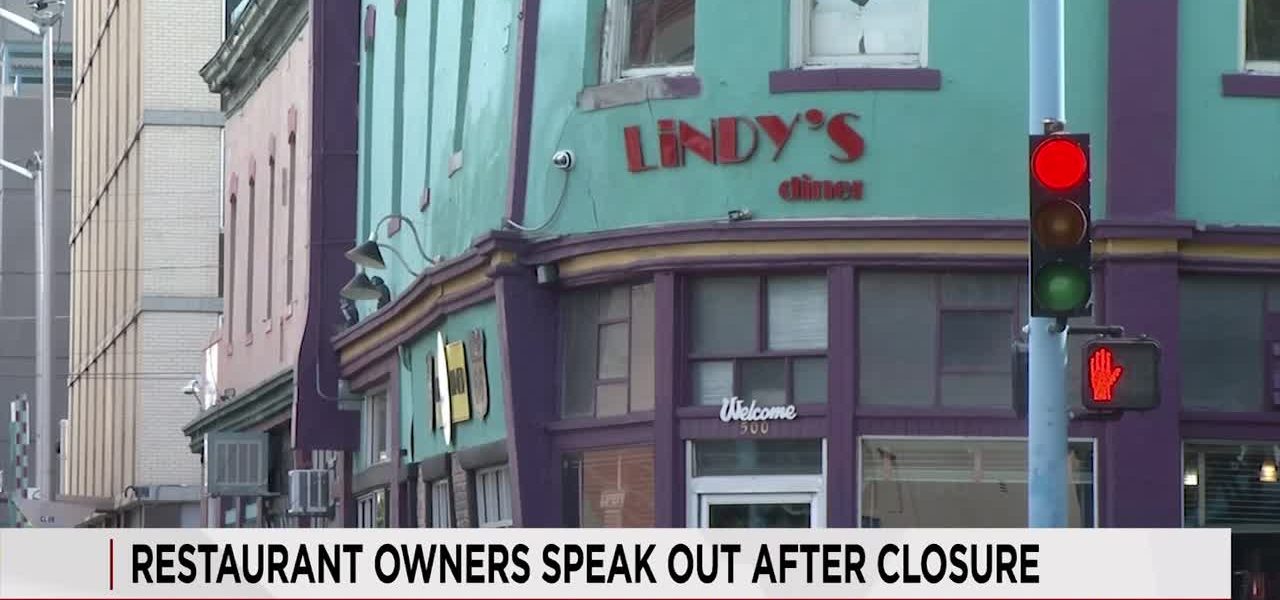
Historic Lindy’s Diner Abruptly Shut Down by Albuquerque City Officials Over Structural Concerns; Owners Vow to Reopen
POLICY WIRE — Albuquerque, United States — The proprietors of Lindy’s Diner, a cherished Albuquerque institution, expressed profound dismay following the city’s sudden decision to close...

POLICY WIRE — Albuquerque, United States — The proprietors of Lindy’s Diner, a cherished Albuquerque institution, expressed profound dismay following the city’s sudden decision to close their establishment.
Just 24 hours after the City of Albuquerque issued a “red-tag” designation, signifying an unsafe structure, the lives of co-owners Steve and Dawn Vatoseow were irrevocably altered. A code enforcement inspection conducted on Monday declared the 120-year-old building structurally unsound due to a noticeable bow, compelling the popular downtown eatery to cease operations immediately.
The Vatoseows, however, contend that the abrupt closure and the underlying rationale came as an unexpected blow. While a city spokesperson informed local media that only two inspections had recently occurred at Lindy’s, the owners assert that municipal inspectors visited the premises at least four times in preceding weeks without flagging any structural issues until the crucial Monday assessment.
A Century of Service: Lindy’s Enduring Legacy
Lindy’s Diner has been an integral part of Albuquerque’s cultural fabric since its inception in 1929 as the Coney Island Café. Steve Vatoseow’s father began his tenure there as a cook before acquiring the establishment in the 1960s and subsequently renaming it Lindy’s.
Steve later assumed control of the family enterprise, continuing its long-standing tradition. “When he passed, I took over,” Steve recounted, underscoring his extensive history with the diner. For Dawn Vatoseow, Lindy’s transcended a mere workplace; it was the backdrop for raising their family.
“Running up and down through the restaurant during the dinner rush,” she reminisced. “Our customers have seen my kids since they were infants. I’ve seen their kids since they were infants.”
Now, these cherished memories are confined behind a fence erected by the city.
Disputed Safety Claims and Financial Burden
While acknowledging that the historic building indeed presents some age-related structural challenges, Steve and Dawn Vatoseow maintain that prior evaluations by structural engineers deemed the property free from an imminent collapse risk. “It does have issues,” Steve confirmed, “but it’s not a situation where it’s going to collapse.”
📄 POLICY WIRE WHITEPAPER PUBLISHED: PAKISTAN'S NATIONAL SECURITY POLICY PRIORITIES
👉 READ BY CLICKING HEREThe couple revealed significant past investments into the building’s integrity, including approximately $150,000 dedicated to installing internal steel supports. They also pursued municipal grants to aid in further renovations, particularly as the iconic Route 66 approaches its centennial celebration, but their applications were denied.
Adding to their financial strain, the owners claim the city is obligating them to cover costs for the surrounding fence, its associated permit, and the parking meters rendered unusable by the closure. These financial demands come on top of the immediate loss of business income.
Read More: Landmark Victory: Indonesia Legally Recognizes 4.2 Million Domestic Workers After 22-Year Struggle
A Fight for Reopening and Community Support
Despite these substantial obstacles, the Vatoseows are actively preparing to submit comprehensive structural engineering reports to the city. Their goal is to secure the necessary permits before the impending May 4 deadline specified in the code enforcement violation notice.
Their aspiration remains straightforward: to reopen Lindy’s Diner and continue serving the devoted community that has sustained them for decades. “Thank you, Albuquerque,” Steve expressed, while Dawn added, “It’s been a hell of a ride. And we love Albuquerque. We have loved serving this community.”
The situation at Lindy’s highlights the complexities businesses face when navigating urban development and regulatory compliance, a challenge seen globally. Other businesses also grapple with strict regulations and unexpected outcomes, underscoring the universal nature of such challenges.