


Himalayan Infrastructure Boom Amid Rising Natural Disaster Risks
POLICY WIRE — Beijing, China — Recent catastrophic flooding along the China-Nepal border has highlighted the growing risks of natural disasters in the Himalayas, coinciding with a rapid expansion of...

POLICY WIRE — Beijing, China — Recent catastrophic flooding along the China-Nepal border has highlighted the growing risks of natural disasters in the Himalayas, coinciding with a rapid expansion of high-altitude infrastructure.
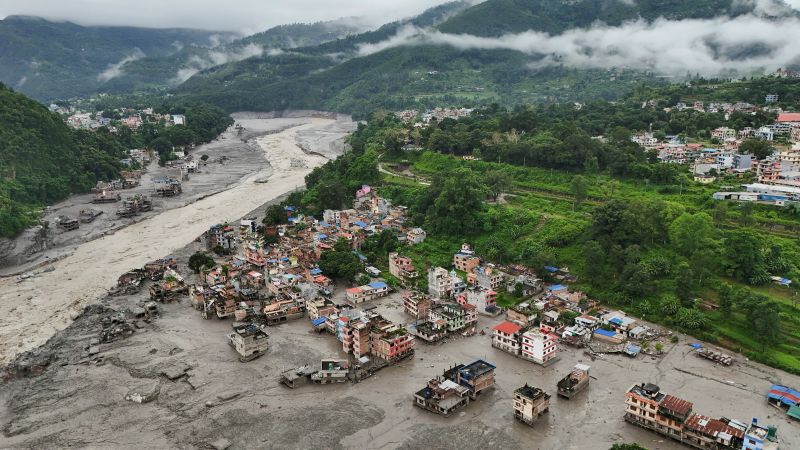
The disaster, which claimed over 600 lives and left approximately 3,000 missing, is not directly linked to human development. However, it serves as a stark reminder for governments investing heavily in dams, tunnels, highways, railways, and bridges across the Himalayas.
China leads in these efforts, viewing Tibet and its Himalayan borderlands as crucial for national and energy security. Beijing plans to transform the region into a green energy hub, including a $168 billion megadam project.
India and Nepal are also significantly investing in infrastructure, despite the region’s vulnerability to earthquakes, natural hazards, and climate change. The recent glacier break and subsequent landslide underscored these risks, causing widespread destruction.
Rescue operations have been complicated by the threat of secondary disasters. A meeting of China’s Communist Party elite stressed the challenges posed by the region’s numerous glaciers, glacial lakes, and geological hazards.
Experts urge state planners to reconsider project designs and scales, advocating for regional cooperation in risk monitoring systems, especially as climate change exacerbates natural disasters.
China’s hydropower projects, including the Yarlung Tsangpo megadam, are part of a broader strategy to assert control and project power in the region. Meanwhile, India and Nepal continue their own infrastructure developments.
The disaster has also sparked rumors and accusations, highlighting the need for greater data sharing and cooperation among Himalayan nations.
Reporting by Policy-Wire (PW)