


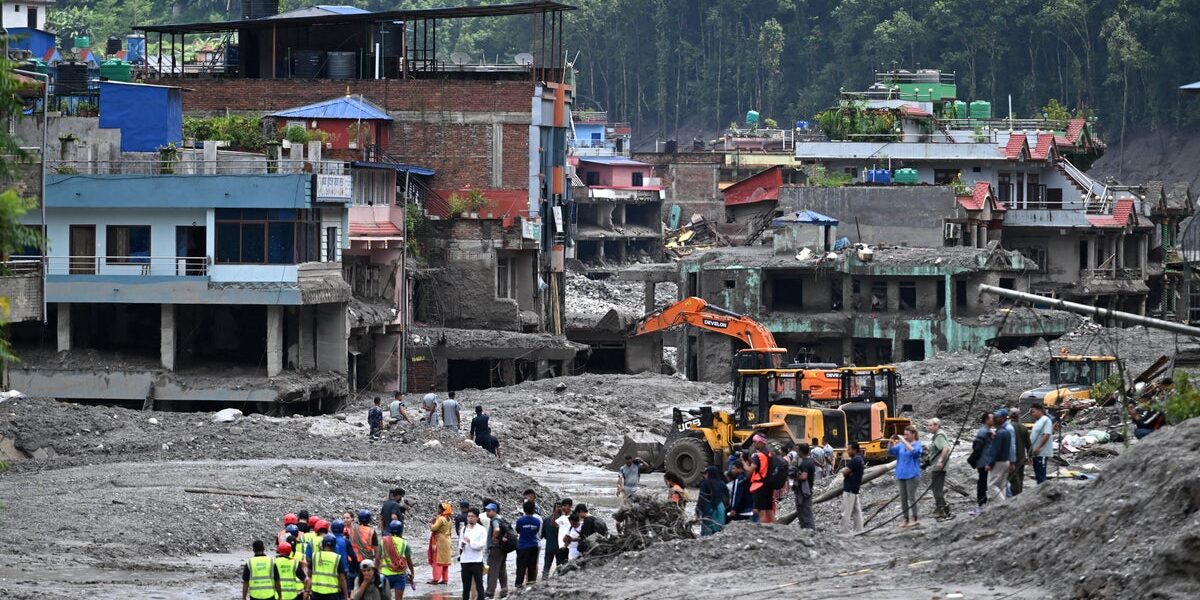
Heartbreak in the Himalayas: A Community’s Agony as Flash Floods Ravage Nepal
POLICY WIRE — Kathmandu, Nepal — Sudarshan Neupane, country director of WaterAid Nepal, recounts the profound devastation wrought by recent flash floods in Rasuwa district, a region celebrated for...

POLICY WIRE — Kathmandu, Nepal — Sudarshan Neupane, country director of WaterAid Nepal, recounts the profound devastation wrought by recent flash floods in Rasuwa district, a region celebrated for its natural beauty and ancient traditions.
Nestled in the foothills of the Himalayas, just 120km north of Kathmandu, Rasuwa has been transformed by the catastrophic floods. Entire villages, including Neupane’s birthplace, Bettini, have been obliterated.
The disaster has claimed over 675 lives, with nearly 3,000 people still missing. Infrastructure across five districts—Rasuwa, Nuwakot, Dhading, Gorkha, and Chitwan—has been severely damaged, with roads and bridges washed away.
Neupane describes the heartbreak of watching a place that shaped his identity disappear. He emphasizes the urgent need for long-term investments in resilience and preparedness to mitigate the impacts of climate change.
The initial cause of the floods remains under investigation, with theories ranging from an earthquake to a glacial collapse. Regardless, the event underscores the growing risks faced by mountain communities in a warming world.
Neupane highlights the increasing frequency and intensity of disasters in Nepal, from earthquakes to landslides and unpredictable flooding. He calls for global action to address the climate crisis, noting that those least responsible for emissions are often the most affected.
Efforts are now focused on disaster response, with a priority on providing safe drinking water, decent sanitation, and good hygiene to protect against waterborne diseases. However, Neupane stresses that recovery must be coupled with investments in resilience to protect communities for the future.
Reporting by Policy-Wire (PW)