


Guatemala’s Grand Denial: Sovereignty Clashes with Washington’s Drug War
POLICY WIRE — GUATEMALA CITY — The diplomatic dance between Washington and its southern neighbors just took another clumsy turn. It wasn’t an official communiqué, you know, but a New York Times...

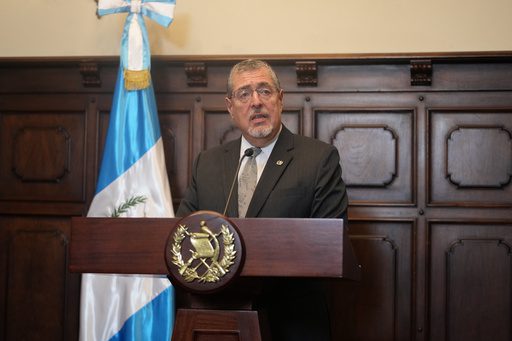
POLICY WIRE — GUATEMALA CITY — The diplomatic dance between Washington and its southern neighbors just took another clumsy turn. It wasn’t an official communiqué, you know, but a New York Times scoop that really got the ball rolling. This report alleged something brewing, something about US forces in Central America, pushing for joint anti-drug ops on Guatemalan turf. And President Bernardo Arévalo? He came out swinging. You see, this whole thing wasn’t quite what everyone thought.
It’s one thing to whisper about cooperation. It’s quite another for a global media powerhouse to publish details that, according to the local strongman, simply don’t exist. Arévalo didn’t just push back; he publicly, unequivocally denied a deal, effectively calling the report, if not fake news, then certainly wishful thinking from a specific faction across the border. No, he said, [QUOTE_PLACEHOLDER] Because of course, no one wants to appear like they’re just rolling over for Uncle Sam. That’s not how politics works down here, or really, anywhere with a shred of national pride left.
The president made a point of framing the situation as business as usual, sort of. He’s acknowledging something’s happening, but not the headline grabber. “What we are signing are types of collaboration that have been taking place in the past. We conduct maritime interdictions where the United States has been collaborating with training, capacity building and equipment,” Arévalo stated during a press conference. See? Maritime interdictions. Perfectly normal. Boats, not boots, on Guatemalan soil. There’s a crucial difference, especially when you’re talking about national sovereignty.
But the ghosts of operations past, — and present, keep lurking. The New York Times report came hot on the heels of another uncomfortable reminder: the deaths of two CIA agents in northern Mexico back in April, during an operation targeting a drug lab. That incident alone raised a whole mess of questions about the depth—and often, the secrecy—of US involvement across Latin America. Mexican officials, bless their hearts, gave contradictory accounts about how much intel they had on the CIA’s actions. It’s a familiar playbook, isn’t it?
And so, Arévalo had to draw a line in the sand, particularly with a domestic audience that remembers past interventions. He underscored that his government’s actions absolutely align with Guatemalan law and, more importantly, its Constitution. He wasn’t shy about it. “The only body that can authorize operations involving soldiers on Guatemalan soil is the Congress of the Republic. The Guatemalan government is not requesting this cooperation and has no plans to do so,” he emphasized. No, sir. No joint strike force coming soon, at least not with official blessing.
Meanwhile, Washington, never one to give a straightforward answer on these matters, responded with characteristic ambiguity. Asked about the supposed agreement, acting Pentagon press secretary Joel Valdez delivered the sort of response only a press secretary can deliver. He just couldn’t “speculate on future operations or discuss matters of operational security.” Which, of course, isn’t a denial, but it sure isn’t a confirmation either. It’s a delicate tightrope they walk, implying cooperation without stepping on too many sovereign toes. The Department of War, Valdez stressed, does work with regional partners to fight drug trafficking and other transnational threats. Always good to know. The implication? The show, whether denied or acknowledged, must go on.
Then there’s the whole other layer. The Guatemalan government wasn’t just doing press conferences. They also dropped a press release and a couple of letters showing their own defense minister yapping with US Secretary of War Pete Hegseth about combined military operations. This, they insisted, all falls under existing agreements. It’s a complicated relationship, isn’t it? Like watching a poorly choreographed salsa. But hey, it’s cooperation, as long as everyone agrees on the exact definition of ‘cooperation’ that particular Tuesday.
The stakes couldn’t be higher. The illicit drug trade, a global hydra, continues to rake in obscene amounts of cash. According to the United Nations Office on Drugs and Crime (UNODC) World Drug Report 2023, cocaine seizures worldwide hit a new record high of 2,192 tons in 2021, a staggering increase of 27 percent from the previous year, with European and Latin American countries accounting for the largest share. That’s a lot of product, — and a lot of power for those who control its flow. And battling that? That’s messy. It often involves shadowy tactics and uncomfortable political compromises that governments rarely, if ever, admit to in plain daylight.
It’s a tale as old as foreign policy itself, playing out whether you’re in the humid jungles of Central America or the rugged mountains of the Hindu Kush. Pakistan, for instance, has long navigated its own thorny relationship with US counter-terrorism operations, with local populations often bearing the brunt and governments walking a tightrope of deniability when it comes to foreign boots or drones on their soil. It’s about optics as much as operational efficacy. Because when the perception of sovereignty erodes, political stability often follows.
What This Means
Arévalo’s emphatic denial isn’t just about truth-telling; it’s a shrewd political play. Domestically, it projects an image of strong leadership unwilling to capitulate to external pressure—a must for any Latin American leader with an eye on maintaining legitimacy. It says: [QUOTE_PLACEHOLDER] Internationally, it’s a clear message to Washington: don’t overstep. This isn’t just about drug cartels; it’s a perennial contest between a sovereign nation asserting its self-governance and a superpower looking to project its security interests. It’s also a reminder that these relationships aren’t always a clean-cut ‘friend or foe’ dynamic, but a shifting grey area of necessary evils and strategic ambiguities.
Economically, if outright joint strikes were to happen and then unravel, it could complicate foreign investment and regional trade, especially if perceptions of instability or compromised national authority take hold. the push-and-pull over US involvement can serve as a political distraction, drawing attention away from Guatemala’s own domestic challenges, from endemic corruption to economic disparity. It might make headlines, but it doesn’t build schools, does it? The balancing act, frankly, reminds one of diplomatic tightrope walking that always accompanies complex international partnerships. The whole affair underscores a broader tension throughout the Muslim world too, for example, where US foreign policy and military presence, often justified by combating terrorism or stabilizing regions, frequently clash with local demands for complete autonomy and non-interference. It’s a recurring drama on the global stage, only the stage changes.