
Green Pakistan Initiative is A New Dawn for Agriculture
Pakistan’s agriculture has been struggling for years. Farmers face unpredictable weather, water shortages, and outdated farming methods that lead to low yields. The country relies heavily on food...

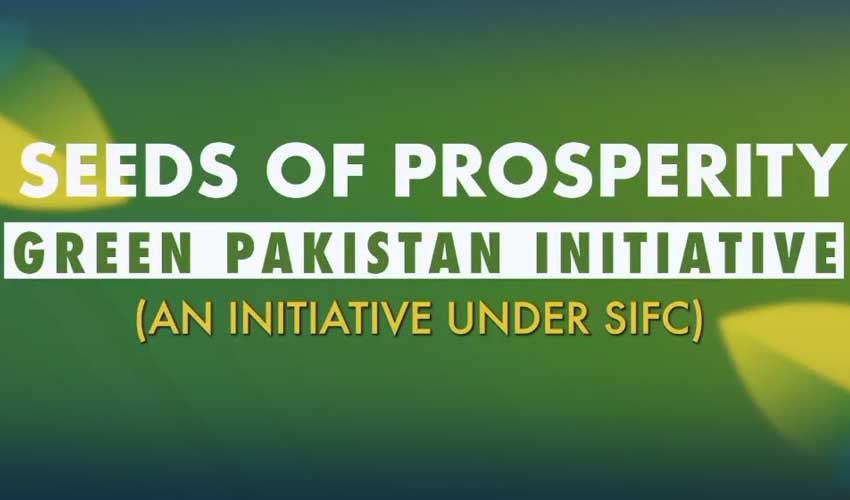
Pakistan’s agriculture has been struggling for years. Farmers face unpredictable weather, water shortages, and outdated farming methods that lead to low yields. The country relies heavily on food imports, making it vulnerable to global price fluctuations. But now, a new initiative is aiming to change this. The Green Pakistan Initiative (GPI) is a major step towards modernizing farming, increasing productivity, and ensuring food security for the future.
This initiative is not just about growing more crops. It’s about using technology, better techniques, and smart planning to make farming more efficient. Many farmers in Pakistan still rely on traditional methods, which have been passed down for generations. While these techniques have sustained agriculture for centuries, they are no longer enough to meet the demands of a growing population. The world has moved towards precision farming, where technology helps in making better decisions. The Green Pakistan Initiative is bringing this change to the country.
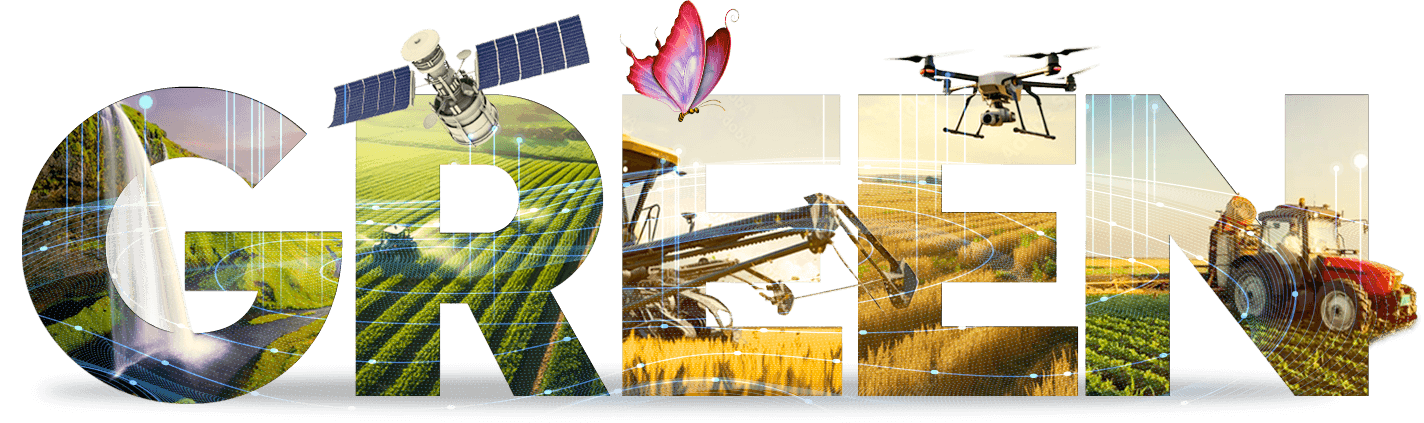
One of the biggest advantages of this project is the use of modern machinery. Farmers often struggle with outdated tools, which makes their work slow and labor-intensive. The GPI introduces advanced agricultural equipment, including tractors, harvesters, and even drones. These machines help in planting, watering, and harvesting crops much faster than traditional methods. This means farmers can grow more in less time and with fewer resources. With access to better tools, they no longer have to rely on guesswork. Instead, they can make informed decisions based on real data.
Another major focus of the initiative is smart irrigation. Water is a major issue in Pakistan, and many farmers still use flood irrigation, which wastes a lot of water. The GPI promotes drip irrigation and sprinkler systems, which ensure that water reaches the roots of plants directly without wastage. This method not only conserves water but also improves crop growth. With climate change affecting rainfall patterns, efficient water usage is becoming more important than ever. By adopting these modern techniques, farmers can continue to grow crops even in dry conditions.
Seeds and fertilizers play a crucial role in agriculture, yet many farmers struggle to access high-quality ones. Poor-quality seeds lead to low yields, and excessive use of chemical fertilizers damages the soil over time. The Green Pakistan Initiative is introducing better seeds and organic fertilizers that not only improve productivity but also maintain soil health. Healthier soil means better crops for years to come. Farmers will also receive guidance on when and how to use these inputs effectively, reducing waste and maximizing output.
Technology is also being used to make farming smarter. The initiative is bringing in satellite monitoring, weather forecasting, and AI-based farming solutions. These tools help farmers know exactly when to plant and harvest their crops for the best results. Instead of relying on traditional knowledge alone, they can get real-time updates on weather conditions and soil health. This minimizes losses and increases profits. Drones, for example, are being used to scan fields and detect problems like pest infestations before they become too big to handle. Early detection allows farmers to take action quickly and save their crops.
The initiative also focuses on education and training. Many farmers have never used modern farming methods before, and changing their way of working is not easy. The government is setting up training centers where farmers can learn how to use new technologies and apply better farming techniques. When farmers are equipped with the right knowledge, they can make the most out of the resources available to them.
One of the most exciting aspects of the Green Pakistan Initiative is the creation of Smart Agri Farms. These farms will serve as models for others to follow. Spread over large areas, they will use the latest technology to maximize crop production while using fewer resources. These farms will not only increase food production but also provide employment opportunities for many people. By seeing the benefits firsthand, more farmers will be encouraged to adopt similar practices on their own land.
📄 POLICY WIRE WHITEPAPER PUBLISHED: PAKISTAN'S NATIONAL SECURITY POLICY PRIORITIES
👉 READ BY CLICKING HEREThe economic benefits of the initiative are also worth mentioning. With better yields, farmers will earn more, which will improve their standard of living. When agriculture thrives, related industries such as food processing and transportation also grow. More jobs will be created, reducing unemployment in rural areas. Additionally, by increasing local food production, Pakistan can reduce its reliance on imports and even export surplus crops, strengthening the economy.
Food security is another major concern that this initiative aims to address. Pakistan’s population is growing rapidly, and ensuring that everyone has access to affordable food is a big challenge. By improving agricultural output, the Green Pakistan Initiative can help make food more available and affordable. This will reduce hunger and malnutrition, especially in poorer communities.
While the initiative has great potential, its success depends on proper implementation. Large-scale projects often face challenges such as delays, lack of funding, and resistance to change. However, with the strong involvement of both the government and the Pakistan Army, there is hope that the project will move forward smoothly. Ensuring that farmers actually receive the promised benefits will be key to making this initiative successful.
The Green Pakistan Initiative is not just about growing more food; it is about building a stronger, more resilient agricultural sector. By using modern technology, smart irrigation, better seeds, and data-driven farming techniques, Pakistan can overcome many of the challenges it faces today. If implemented effectively, this initiative could change the future of agriculture in the country. It is a step towards a self-sufficient, food-secure, and prosperous Pakistan.
Change is never easy, especially in a sector as traditional as agriculture. But with the right resources, knowledge, and support, farmers can embrace modern farming methods that will benefit them and the entire country. The Green Pakistan Initiative is a chance for Pakistan to step into the future of agriculture, ensuring that food production is efficient, sustainable, and beneficial for generations to come.
Author