


Can Green Pakistan Initiative Solve the Food Crisis?
Pakistan’s food security has become a growing concern in recent years. The country faces rising food prices, unpredictable weather patterns, and declining agricultural productivity. Millions of...

Pakistan’s food security has become a growing concern in recent years. The country faces rising food prices, unpredictable weather patterns, and declining agricultural productivity. Millions of people struggle to afford basic food items, and malnutrition remains a major issue. To tackle these challenges, the Green Pakistan Initiative (GPI) has been introduced, promising to modernize agriculture and increase food production. But can it really solve the food crisis?
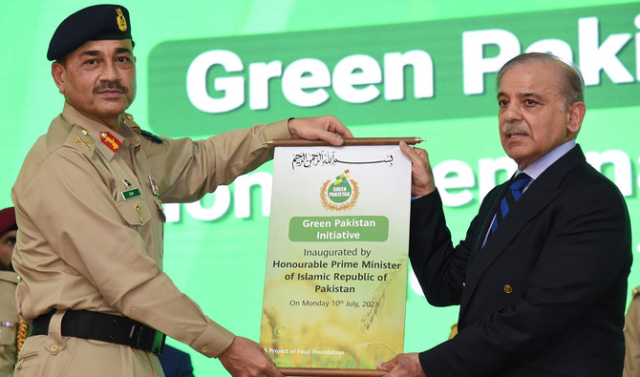
One of the biggest reasons behind food shortages is inefficient farming methods. Many farmers still rely on traditional techniques that have been used for generations. While these methods have sustained agriculture for centuries, they are no longer effective in today’s world. The climate is changing, water is scarce, and the demand for food is rising. The Green Pakistan Initiative aims to bring modern solutions to these problems.
A major focus of the initiative is precision farming, which uses technology to make agriculture more efficient. Instead of relying on outdated methods, farmers will have access to satellite monitoring, weather forecasting, and AI-based solutions. These tools help them make informed decisions about when to plant, water, and harvest their crops. This initiative can help in reducing waste, increasing yields, and ensuring a stable food supply for the country.
Water scarcity is another major challenge. Pakistan’s irrigation system is outdated, and most farmers still use flood irrigation, which wastes a huge amount of water. The GPI promotes modern irrigation techniques like drip and sprinkler systems, which use water more efficiently. These methods ensure that crops get the right amount of water without wastage. This is especially important in regions facing droughts and declining groundwater levels. By adopting water-saving techniques, Pakistan can grow more food with less water.
Another key element of the initiative is improving seed quality. Poor-quality seeds result in low crop yields, which directly affects food availability. The GPI introduces better seeds that are resistant to diseases and harsh weather conditions. These seeds can produce higher yields, ensuring that farmers get more crops from the same amount of land. Along with better seeds, the initiative also promotes organic fertilizers, which improve soil health and sustain long-term productivity.
Pests and plant diseases also contribute to food shortages. Every year, large portions of crops are lost due to infestations and infections. Many farmers lack access to proper pest control methods, leading to major losses. Under the Green Pakistan Initiative, drones and advanced monitoring systems will help detect pest problems early. This allows farmers to take action before the damage spreads, saving their crops and ensuring more food production.
Technology alone is not enough. Farmers need proper training and education to use these new methods effectively. The initiative plans to set up training centers where farmers can learn about modern techniques, proper water management, and the use of advanced equipment. Many farmers hesitate to adopt new methods because they are unfamiliar with them. By providing hands-on learning, the initiative empowers them to embrace change and improve their productivity.
📄 POLICY WIRE WHITEPAPER PUBLISHED: PAKISTAN'S NATIONAL SECURITY POLICY PRIORITIES
👉 READ BY CLICKING HEREAnother major concern is post-harvest losses. A significant amount of food is wasted due to poor storage facilities, lack of transportation, and inefficient supply chains. The Green Pakistan Initiative aims to improve storage facilities and create better transportation networks, ensuring that food reaches markets without being wasted. When food is properly stored and transported, it remains fresh for longer periods, reducing shortages and stabilizing prices.
Economic factors also play a huge role in food security. If farmers are not financially stable, they cannot invest in better seeds, fertilizers, or technology. The GPI introduces financial support programs that help farmers access loans and subsidies, making it easier for them to invest in modern farming. When farmers can produce more, they earn better incomes and contribute to national food supply. This helps stabilize food prices and ensures that more people have access to affordable food.
Climate change is another challenge that Pakistan must address. Rising temperatures, unpredictable rainfall, and extreme weather events have disrupted agricultural cycles, making it harder for farmers to grow crops. The Green Pakistan Initiative promotes climate-smart agriculture, which focuses on crops that can withstand harsh weather conditions. By shifting towards climate-resilient farming, Pakistan can protect its food supply from environmental shocks.
While the initiative promises many benefits, challenges remain. Large-scale projects like this often face hurdles, corruption, and lack of proper implementation. Many initiatives in the past have failed because of mismanagement. If the Green Pakistan Initiative is to succeed, it needs strong oversight, transparency, and proper execution. The government must ensure that farmers actually receive the support they are promised and that funds are used for the right purposes.
Despite these challenges, the Green Pakistan Initiative represents a step in the right direction. If properly implemented, it can increase food production, stabilize prices, and reduce dependency on food imports. Pakistan has the potential to become self-sufficient in food production if the right policies and technologies are adopted.
Solving the food crisis is not an overnight process. It requires long-term commitment, continuous improvement, and the willingness to adapt to new methods. The Green Pakistan Initiative offers hope, but its success will depend on effective implementation, government support, and farmer participation. If all stakeholders work together, Pakistan can overcome its food security challenges and ensure that no one in the country goes hungry.
Author