


Golan’s Silent Threat: Iran’s Proxy War on Israel
Uncover the quiet war in the Golan Heights. Iran's strategic buildup of proxies and weapons threatens Israel, creating regional instability with global economic impact.

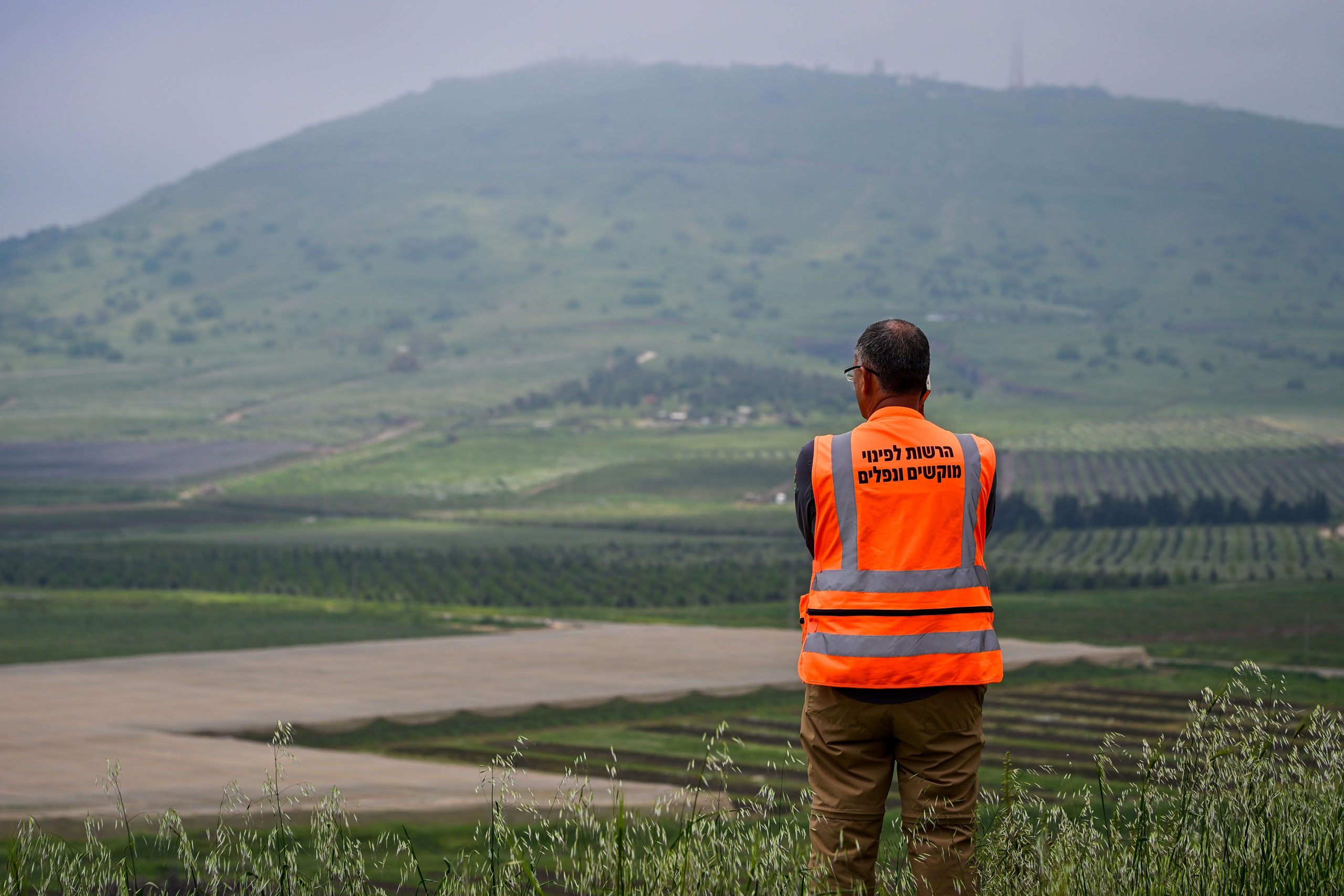
POLICY WIRE — Tel Aviv, Israel — The wind often whispers through the Golan, carrying dust, not cannon fire. It’s a peace of sorts, fragile and utterly deceptive, for those unfamiliar with the brutal calculus of this particular slice of earth. You see farmers work their land. Life, in many ways, just goes on. But down in the bunkers, up in the observation posts, the Israelis know better. They’re constantly watching. Because along this buffer zone, the calm? It’s just a pause between heartbeats.
It’s an illusion. And it’s one Iran, it seems, works hard to maintain. A sort of operational fog. While headlines fixate on Gaza or Beirut, Tehran’s shadowy networks continue their relentless push. We’re talking about consolidating positions, moving materiel, building out a direct launchpad—they’ve been busy. It’s a creeping entrenchment, largely out of the spotlight, that keeps commanders on edge. Their objectives are clear: establish a multi-front threat against Israel, a true strategic headache. We don’t talk about it much, but that’s the reality. [QUOTE_PLACEHOLDER]
Sources familiar with Israeli defense assessments suggest that clandestine weapons transfers into southern Syria have jumped by an estimated 30 percent in the last eighteen months, primarily facilitated through Syrian army channels and various Shiite militia conduits. This isn’t a direct military assault. This is a cold, calculated game of positioning. The weaponry? It ranges from advanced anti-tank missiles to longer-range rockets, meant for more than just show. They’re building a persistent, low-grade capability right next door.
Hezbollah, the long arm of Iran in Lebanon, isn’t sitting idle, either. They’re effectively mirroring this playbook, adapting their tactics to exploit any perceived vulnerability. The Iranian Revolutionary Guard Corps (IRGC), meanwhile, plays chess on the Syrian battlefield with local proxies—militias it funds, arms, and directs. They’ve essentially carved out spheres of influence, often utilizing local economic distress to recruit new members into their ranks. It’s an age-old strategy: create dependency, then demand loyalty.
And when we talk about proxy wars, the echoes don’t just stop at the Euphrates. Think about it: the persistent, grinding nature of these low-intensity conflicts, fueled by external powers and exploited local grievances. You’ve got Pakistan grappling with its own complex borderlands—insurgencies, shifting alliances, and the looming shadow of geopolitical rivalry. It’s not quite apples to apples, no, but the underlying mechanisms of foreign influence stirring local pots of instability? That playbook gets a lot of use. Different theatre, same kind of dirty politics.
The Israelis, for their part, aren’t simply observing. They’ve adopted a consistent, if largely undeclared, policy of interdiction. Targets associated with Iran’s military infrastructure or Hezbollah’s logistical chain within Syria are hit with a quiet, devastating precision. It’s a balancing act, preventing escalation while eroding capabilities. It’s also incredibly difficult to manage, requiring constant intelligence, quick decision-making, and an unblinking willingness to act.
But the real threat? It’s systemic. It’s the constant erosion of deterrence. When the perceived costs of aggression don’t outweigh the benefits, things get squirrely. That’s what the IDF is battling every single day. Not just incoming rockets, but a change in the strategic landscape. The situation on the ground is a constantly evolving challenge, one where moments of calm are just that—moments.
This enduring friction keeps everyone on edge, military planners especially. There’s no easy off-ramp. It’s a deeply entrenched problem. The kind that takes years—generations, really—to unwind. Or to detonate.
What This Means
The geopolitical reverberations of this simmering Syrian frontier extend far beyond Israel’s immediate neighborhood. Politically, the persistent Iranian effort to entrench itself directly threatens regional stability. It challenges existing power structures and injects an unsettling dose of uncertainty into an already volatile Middle East. For Israel, this means a sustained, high-cost defense posture, diverting resources that could otherwise address domestic challenges or other external threats. They can’t let their guard down, not even for a minute.
Economically, the implications are similarly profound. Constant tension deters foreign investment, impacts trade routes (consider the Red Sea for a parallel), and maintains an allocation of national budget towards defense that’s—let’s be honest—staggering. A protracted, undeclared conflict eats away at growth, restricts innovation, — and forces difficult societal choices. For the wider Muslim world, particularly South Asian economies closely linked to Middle Eastern energy and remittances, any major escalation here would send shockwaves. Global oil prices, trade flows, investment decisions—they’re all tied to the illusion of regional stability. When the quiet roars, everyone feels the tremors. It’s not just about one border, it’s about a global web of consequence, waiting to snap. And believe me, it often does. Shadow Games are playing out on many fronts. This one’s just a little less publicized right now.