


Glasgow Ebola Scare: Global Health Wake-Up Call
An Ebola scare briefly rocked a major Glasgow hospital, revealing urgent global health vulnerabilities. Patient cleared, but the incident highlights the true costs of interconnected travel.

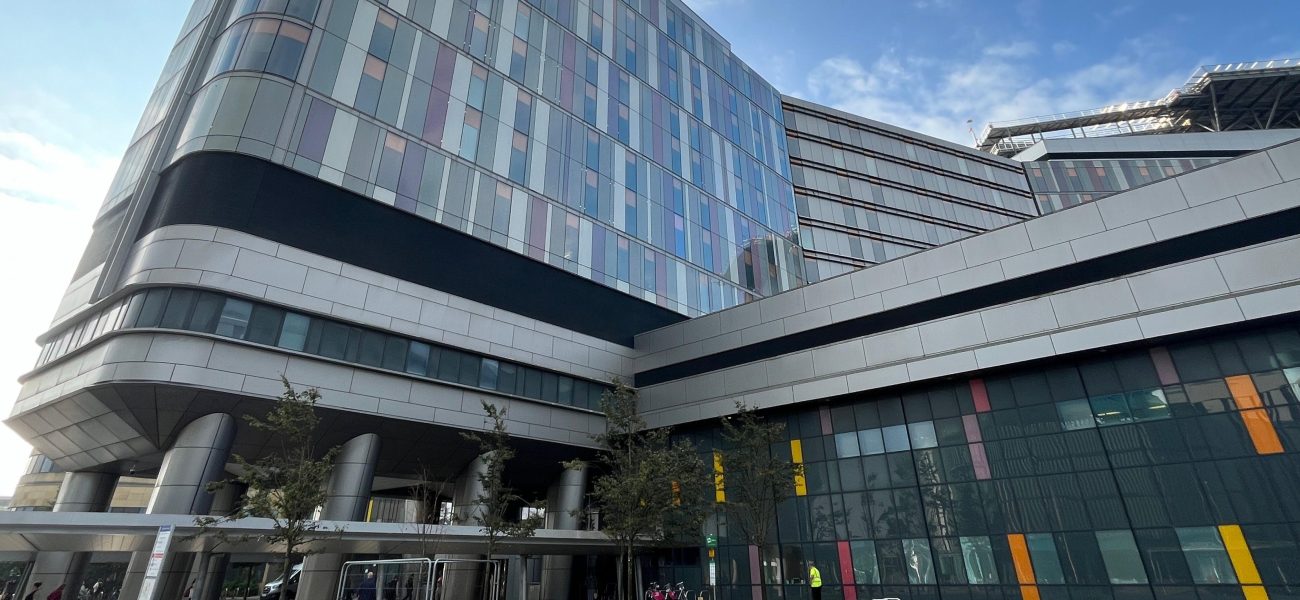
POLICY WIRE — Glasgow, Scotland — It wasn’t a bomb threat or a collapsing scaffold that brought a major Glasgow hospital to its knees yesterday; it was something far more insidious, far less visible. A fleeting suspicion, a sudden intake of breath, a collective dread — all quickly dissolved into an exhausted sigh of relief. The Queen Elizabeth University Hospital, one of Europe’s biggest, briefly wrestled with the ghost of West African pestilence before confirming its patient was, blessedly, Ebola-free.
For several intense hours, the medical machinery hummed with an unfamiliar, frightening tension. They’d isolated an individual presenting symptoms alarming enough to trigger protocols usually reserved for Hollywood thrillers—or very real, devastating epidemics. Fever. The kind of recent travel history that makes epidemiologists twitch. Every cough, every bead of sweat, amplified to potentially catastrophic proportions. The patient, a British citizen of Pakistani heritage, had recently flown back to Scotland following an extended family visit that included transit through a major Middle Eastern hub airport — places where the intermingling of global travelers means diseases, old and new, hitch rides on unsuspecting souls.
It’s the sheer velocity of global travel, you see, that keeps public health officials up at night. A few symptoms, an international flight, and suddenly a highly contagious, highly fatal pathogen could be knocking on Glasgow’s door. It doesn’t even have to be a direct flight from an outbreak zone; indirect exposure, multiple transfers — that’s the silent killer. Imagine the chaos, the panic, the sheer societal upheaval if that preliminary diagnosis had stuck. Cities aren’t just brick — and mortar; they’re intricate webs of human interaction. Interrupt that with disease, — and it’s economic paralysis, community distrust, pure nightmare fuel.
The patient, whose identity remains, naturally, protected by privacy regulations, was moved to an isolated unit. Health officials and hospital staff geared up, practiced their drills, whispered reassurances they didn’t quite believe themselves. Because you never truly know. Not until those lab results come back. And these results? They cleared the patient of the ghastly viral hemorrhagic fever. Clean bill of health for Ebola, anyway. The other stuff, whatever bug they actually caught, was secondary to the monster they dodged. You just had to be there to feel the pressure in the corridors; it was thick, suffocating.
A National Health Service (NHS) Greater Glasgow and Clyde spokeswoman, keeping it terse, stated, [QUOTE_PLACEHOLDER] after testing found the patient didn’t have Ebola. But that brief statement belies the complex machinery — and human effort involved in even ruling out such a threat. The logistics alone — tracing potential contacts, managing patient care in a highly bio-secure environment, informing the public without inducing hysteria. It’s a delicate dance, often performed on the knife’s edge of global anxieties.
And let’s not forget the financial strain this puts on an already stretched healthcare system. The average cost to manage a single suspected case, including testing, isolation, — and staffing, isn’t insignificant. The United States Centers for Disease Control and Prevention (CDC) estimates the total direct and indirect costs of a multi-country Ebola outbreak can easily reach into the billions of dollars. That’s for real outbreaks, mind you, but even a false alarm incurs significant, unbudgeted expenditure. This recent episode, thank goodness, will be a line item under ‘prevented catastrophe,’ not ‘disaster response.’
📄 POLICY WIRE WHITEPAPER PUBLISHED: PAKISTAN'S NATIONAL SECURITY POLICY PRIORITIES
👉 READ BY CLICKING HEREThe fact this individual was from a family with roots in Pakistan highlights the ever-present dynamic of modern geopolitics and epidemiology. Travel for work, family, or spiritual pilgrimage — it links us all. The spread of health crises doesn’t discriminate based on passport or national origin; it simply follows the flow of people. This close call in Glasgow acts as a sharp, unwelcome reminder of the invisible vulnerabilities woven into our globalized society. You just don’t get a break anymore from the interconnectedness of it all. It’s a heavy price, sometimes, for cheap flights — and accessible borders.
What This Means
This episode, quickly resolved though it was, illuminates several disquieting truths. First off, health systems, even in sophisticated Western nations like Scotland, remain extraordinarily vulnerable to imported pathogens. The speed at which global pandemics can sprout from a single case — remember COVID? — means the ‘all clear’ message isn’t just about this one patient; it’s about a momentary reprieve for an entire regional economy and social fabric. This scare alone, even with its negative result, will force a recalculation, if an informal one, within NHS boardrooms about surge capacity and rapid-response epidemiology. It wasn’t about curing a disease but stopping a fear, and that fear, when allowed to run rampant, costs cities billions. Just look at the paralysis caused by even a sniffle during the H1N1 scare of ’09, or the broader discussion of urban integration and public safety seen, for example, in Bernalillo County’s Islamic Center approval, where different community anxieties clash.
Secondly, the incident underscores the intense pressure on developing nations, particularly those in South Asia or the broader Muslim world like Pakistan, which frequently serve as transit points or home countries for a vast, globally mobile diaspora. While this patient’s illness wasn’t Ebola, the fact the scare was rooted in their travel from that region—a region with varying public health capacities—reveals a lurking vulnerability for global health. What if the next traveler truly carries something dangerous? The resilience of global health isn’t measured by Glasgow’s capacity alone but by the weakest link in the international travel chain, be it an underfunded clinic in a remote Pakistani district or a bustling airport without stringent health checks. We’re all in this biological lottery together, whether we like it or not. The potential for regional instability due to such health crises, mirroring long-standing geopolitical tensions over shared resources like in the Indus Waters Treaty debates, is immense.
Finally, there’s the psychological impact. Every time one of these scares erupts, even briefly, it chips away at public trust in health systems and governments’ ability to protect them. The public wants to feel safe. When you get told a patient with horrifying symptoms has arrived from an ‘at-risk’ region, it sets off alarm bells that don’t entirely fade even with a clean bill of health. That lingering unease—that’s the true cost, far more difficult to quantify than test kits and isolation ward expenses.