

DRC’s Record Ebola Outbreak: Conflict and Armed Groups Impede Response
POLICY WIRE — Kinshasa, DRC — The Democratic Republic of Congo (DRC) is grappling with its largest Ebola outbreak on record, exacerbated by active conflict and the presence of armed groups. The...

POLICY WIRE — Kinshasa, DRC — The Democratic Republic of Congo (DRC) is grappling with its largest Ebola outbreak on record, exacerbated by active conflict and the presence of armed groups. The outbreak, identified as the Bundibugyo strain, spread undetected for months before it was correctly diagnosed.
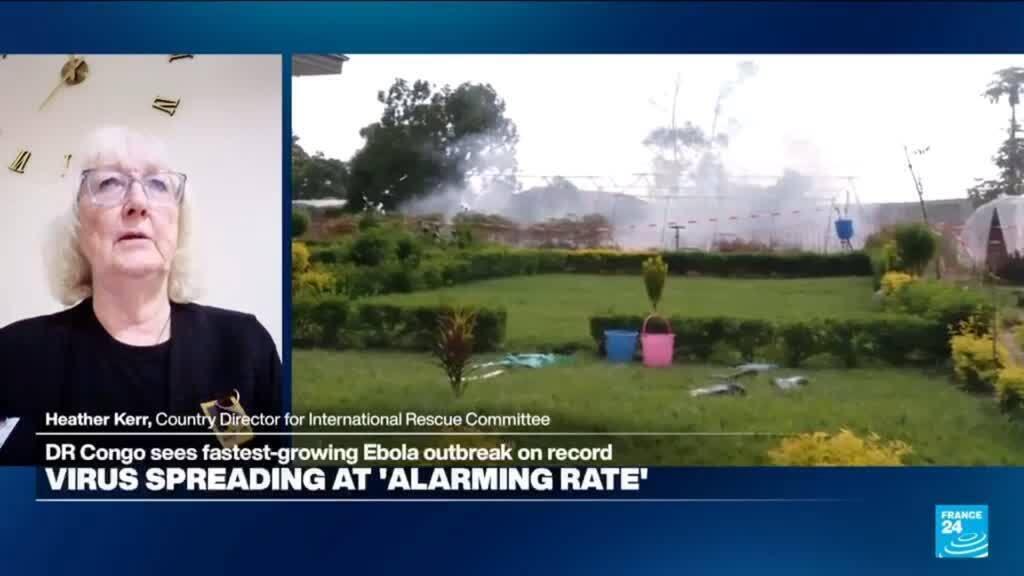
Heather Kerr, Country Director for Congo at the International Rescue Committee, highlighted the myriad challenges faced in responding to this crisis. “The response has been hindered by delayed diagnosis, the complexity of distinguishing this Bundibugyo strain from other common illnesses, and the immense operational challenges of working in an active conflict zone,” Kerr stated.
The operational difficulties are compounded by the volatile security situation. Armed groups in the region have disrupted aid efforts, making it perilous for health workers to reach affected communities. This has resulted in a slower-than-needed deployment of medical resources — and vaccination campaigns.
The delayed identification of the outbreak further complicated the situation. The Bundibugyo strain, less common than other Ebola strains, presented diagnostic challenges that led to initial misidentifications. This delay allowed the virus to spread more widely before containment measures could be effectively implemented.
Efforts to control the outbreak involve a multi-faceted approach, including community engagement, safe burial practices, and vaccination drives. However, the ongoing conflict has made these efforts particularly arduous. Health workers face not only the threat of the virus but also the dangers posed by armed confrontations.
📄 POLICY WIRE WHITEPAPER PUBLISHED: PAKISTAN’S NATIONAL SECURITY POLICY PRIORITIES
International organizations, including the World Health Organization (WHO) and various non-governmental organizations (NGOs), are collaborating with local authorities to mitigate the spread of the virus. Despite these efforts, the complex interplay of conflict, armed groups, and a challenging healthcare environment continues to impede a swift and effective response.
Reporting by Policy-Wire (PW)