


Gaza’s Eid of Ashes: When Celebration Turns to Carnage
POLICY WIRE — Gaza City, Palestine — The aroma of fresh pastries, the bright new clothes, the quiet murmur of shared prayers: these were the fleeting realities just moments before, for families...

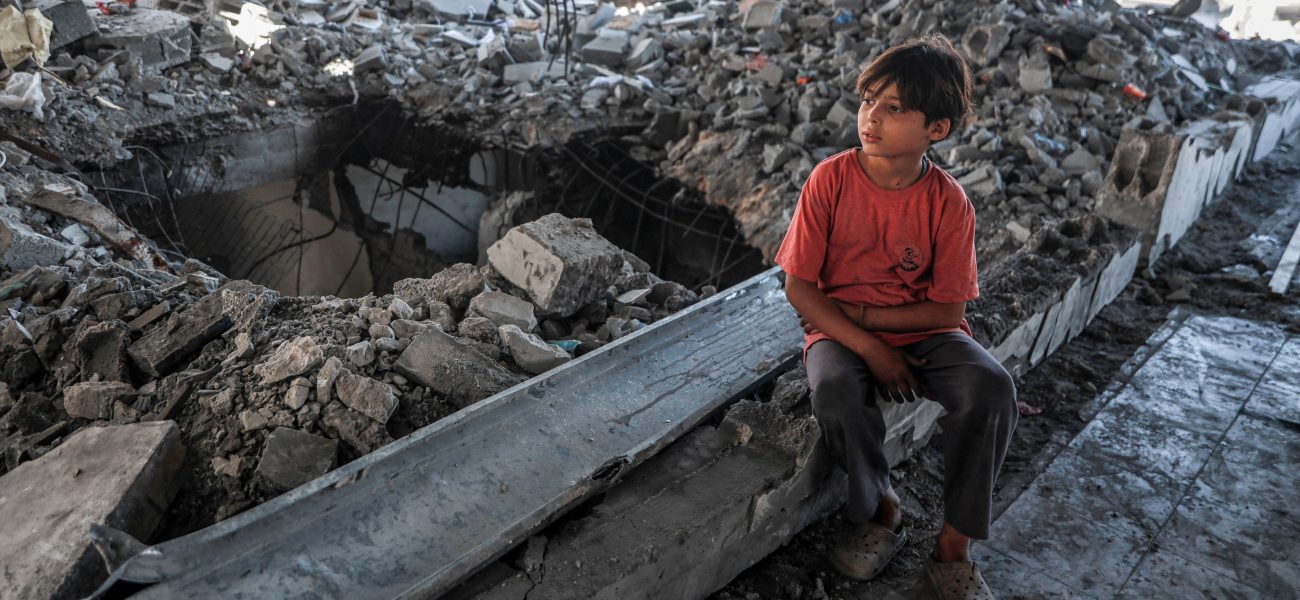
POLICY WIRE — Gaza City, Palestine — The aroma of fresh pastries, the bright new clothes, the quiet murmur of shared prayers: these were the fleeting realities just moments before, for families gathered on a Gaza City rooftop to mark Eid al-Adha. They were trying, desperately, to carve out a sliver of normalcy, a brief pause from the ceaseless grind of existence under siege. Instead, a flash, then a thunderous roar. The air ripped apart. What followed wasn’t celebration. It was chaos. A familiar terror descended, a horrifying, abrupt end to joy, leaving only a pulverized landscape and an even deeper trench of despair. It’s a recurring nightmare for this battered strip of land, where even holy days are marked by a unique brand of grief.
It was a scene, eyewitnesses recount, plucked straight from a grim cinematic spectacle, only the screams were real. Children, bedecked in their holiday finery, their laughter momentarily silencing the drone of overhead surveillance, suddenly scattered. Many didn’t get that far. Homes — or what was left of them — bore the marks of an airstrike, a chilling reminder that in Gaza, even the highest perch isn’t high enough to escape the shadow of perpetual conflict. But this wasn’t some strategic military target, locals insist. This was a family. And they were celebrating.
“They call these ‘precision’ strikes,” spat Nabil Abu Rudeineh, spokesman for the Palestinian Authority presidency, his voice raw with controlled fury during a rare press conference in Ramallah. “What sort of precision vaporizes children? It’s not a war, it’s a war on life itself. The world watches, offers its customary ‘condemnations,’ — and then goes about its day. We demand protection, accountability, not empty words. This isn’t a fight for territory; it’s a fight for human decency.”
The Israeli government, predictably, offered a different narrative. Eylon Levy, an Israeli government spokesperson, dismissed the specific claims without directly addressing the Eid incident, reiterating Israel’s standard stance. “Hamas cynically exploits civilian infrastructure — and civilian populations,” he stated flatly. “Any loss of innocent life is tragic, it truly is. But the responsibility rests squarely with those who launch rockets from residential areas, those who embed their terrorist apparatus deep within urban centers. We operate with surgical precision to degrade their capabilities, to protect our own citizens.” Surgical precision, tell that to the families still sifting through the dust for scraps of memories—or bodies.
This incident—one among countless others that flicker across news feeds, then fade—resonates particularly strongly across the broader Muslim world, a collective ache felt keenly from Rabat to Jakarta. In Islamabad, protesters, having just observed their own peaceful Eid, quickly mobilized. Pakistani Foreign Minister Jalil Abbas Jilani didn’t mince words, declaring that such acts during a sacred festival were “an affront to humanity and a blatant disregard for international law.” He isn’t wrong. Pakistan, like many nations with significant Muslim populations, has consistently condemned Israeli actions, and this latest heartbreak only deepens popular resentment, fueling calls for more robust diplomatic interventions and humanitarian aid. The cyclical nature of this fractured peace—or lack thereof—continually haunts the Levant and its global echoes.
📄 POLICY WIRE WHITEPAPER PUBLISHED: PAKISTAN'S NATIONAL SECURITY POLICY PRIORITIES
👉 READ BY CLICKING HEREAnd it’s a grim calculus of suffering. According to the United Nations Office for the Coordination of Humanitarian Affairs (OCHA), as of May 2024, more than 35,000 Palestinians, including over 14,500 children, have been killed in Gaza since October 7, 2023. These aren’t just numbers. They’re shattered futures. Because despite all the international calls for ceasefires and humanitarian corridors, the underlying tension and the military exchanges continue, turning every single day into a lottery of survival for the Strip’s inhabitants. But that’s the deal here, isn’t it?
What This Means
This latest tragedy during Eid isn’t just another grim statistic; it’s a policy powder keg. For starters, it further erodes any semblance of trust between the warring factions and certainly complicates regional diplomacy. You’ve got global superpowers — like the U.S. and its allies — in an unenviable position, attempting to balance unwavering support for Israel with mounting international pressure to protect civilian lives. This isn’t just about moral optics, folks; it’s about strategic influence. How long can you back a military campaign that keeps hitting celebrations, marketplaces, refugee camps?
Economically, the constant instability is a death knell for any flicker of recovery in Gaza, keeping it firmly locked into an aid-dependent, infrastructure-less existence. For neighboring Arab states, it creates immense domestic pressure. They’re trying to walk a fine line between advocating for Palestinians and maintaining strategic, often tacit, alliances. The human suffering makes that tightrope act much, much harder, forcing them to issue stronger condemnations than they might prefer for the sake of regional stability. It’s a nasty, brutish feedback loop, creating more militants than it eliminates, strengthening hardliners on all sides. Don’t think for a second this won’t influence electoral politics, both within the region and among Western populations growing tired of funding a seemingly endless conflict. It simply entrenches the narrative, fuels extremism, and, frankly, makes a truly lasting peace deal feel like a far-fetched, utopian dream.