


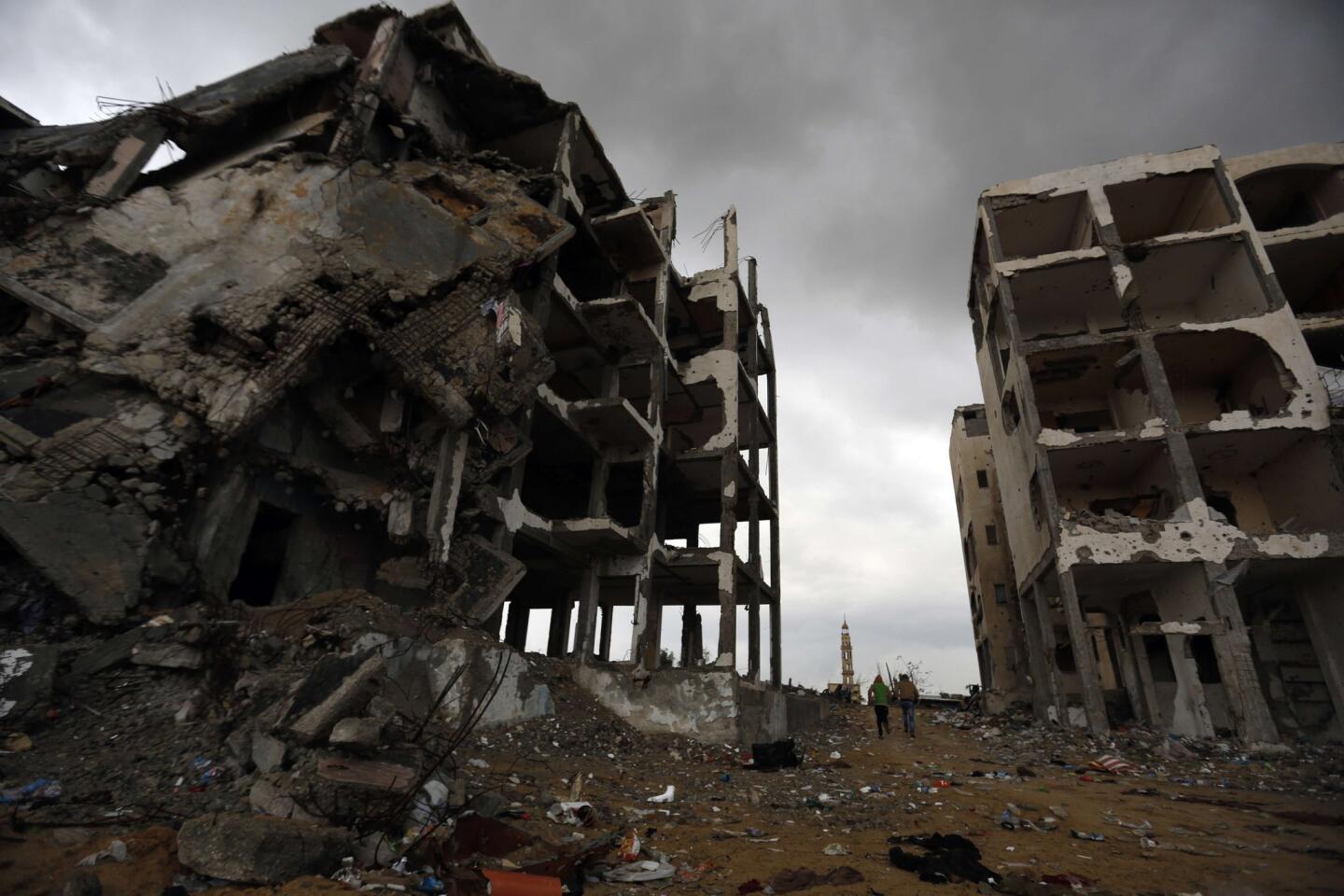
Gaza in Ruins: War, Blockade, and a Forgotten People
The Gaza Strip, a region long plagued by conflict, now finds itself in the midst of one of the most devastating humanitarian disasters in recent history. Over the past months, the situation has only...

The Gaza Strip, a region long plagued by conflict, now finds itself in the midst of one of the most devastating humanitarian disasters in recent history. Over the past months, the situation has only worsened. A deadly combination of political deadlock, military aggression, and a crippling blockade has brought life in Gaza to the edge of collapse. The people of Gaza, many of whom have already lived through years of hardship, are now facing hunger, homelessness, and trauma on a scale that is difficult to describe.
The latest chapter in this crisis unfolded when Hamas officially rejected Israel’s most recent ceasefire proposal. The deal offered a 45-day temporary truce in exchange for the release of 10 Israeli hostages. But for Hamas, this offer fell far short of addressing the bigger picture. They are demanding a complete and permanent ceasefire, the release of all Palestinian prisoners held in Israeli jails, and the return of life to something resembling normal for the people of Gaza. In a statement, Hamas made it clear that they would not entertain partial or temporary agreements, especially those that they believe serve political purposes for Israeli leadership, particularly Prime Minister Benjamin Netanyahu. This refusal once again shows the immense mistrust that defines the relationship between the two sides. While Israel continues to insist on the complete disarmament of Hamas as a prerequisite for any meaningful peace, Hamas remains steadfast in its position, seeking a broader resolution that tackles the root causes of the conflict, including years of occupation, blockades, and economic suffocation.
Meanwhile, the people of Gaza are paying the heaviest price. In a horrifying incident, Israeli airstrikes hit a tented camp in al-Mawasi, an area that had been designated as a safe zone for displaced civilians. At least 37 people were killed, most of them women and children. Witnesses described scenes of terror and chaos, with tents catching fire and people trapped under the wreckage. The images and testimonies from this attack shocked people around the world and drew condemnation from human rights groups and humanitarian agencies. But despite international outrage, the violence continues with little pause, and hope for a peaceful resolution remains distant.
The humanitarian situation in Gaza is reaching a breaking point. The ongoing Israeli blockade, which has been in place in various forms for years, has severely limited the entry of food, fuel, medical supplies, and clean water into the territory. With borders tightly closed and supplies running dry, hospitals are unable to treat the injured and the sick. Operating rooms are going dark due to power outages. Children are going to sleep hungry, and thousands are suffering from malnutrition. According to aid organizations, more than 80% of Gaza’s population now depends on charity kitchens to survive. This is not just a crisis, it is a full-scale humanitarian catastrophe.
Clean water is also increasingly difficult to access. Contaminated water sources and a lack of proper sanitation are leading to a rise in preventable diseases. Medical facilities that remain operational are overwhelmed and under-resourced. The healthcare system, already fragile before the latest war, is now collapsing under the pressure. Doctors are forced to make impossible choices, treating some while turning others away because they simply lack the resources.
International efforts to mediate a solution have so far failed. Egypt and Qatar, two of the region’s main brokers, have attempted to bring both sides to the table. However, these attempts have not led to any real breakthrough. Hamas insists on a permanent solution that includes lifting the blockade and releasing prisoners, while Israel remains focused on military objectives and the recovery of its hostages. The lack of a united response from the global community has also made it harder to apply meaningful pressure. While some countries call for a ceasefire, others continue to support the Israeli government’s stance, making a global consensus impossible.
Organisations like the United Nations and various human rights groups have repeatedly called for an immediate ceasefire and unfettered humanitarian access to Gaza. But these appeals have largely gone unanswered. The current level of inaction has led to frustration among many who believe that the world is turning a blind eye to the suffering of civilians, especially the most vulnerable, children, the elderly, and the sick. The voices of Gaza’s people, calling out for help, are being drowned in the noise of political debates and military strategies.
📄 POLICY WIRE WHITEPAPER PUBLISHED: PAKISTAN'S NATIONAL SECURITY POLICY PRIORITIES
👉 READ BY CLICKING HEREAs the violence rages on and as ceasefire proposals are made and rejected, the people of Gaza continue to live with uncertainty, trauma, and daily threats to their survival. They are caught in the crossfire of a conflict that seems to have no end in sight. Families are torn apart, children are growing up in constant fear, and the hope for peace seems further away than ever before.
In the face of such immense suffering, the world cannot afford to stay silent. The international community must do more to pressure all sides into negotiations, demand the protection of civilians, and ensure that humanitarian aid reaches those who need it most. Without genuine efforts to address the underlying issues of the conflict and without a commitment to long-term peace, Gaza will continue to bleed.
There is still a chance to change the course of this crisis. But it requires courage, honesty, and above all, humanity. The people of Gaza deserve a future free of fear, hunger, and violence. They deserve peace, dignity, and the right to live in a land where war is no longer the only constant in their lives.
Author