


Invisible Casualties: Mozambican Deaths Expose South Africa’s Shifting Fault Lines
POLICY WIRE — Johannesburg, South Africa — There are tragedies that capture headlines, and then there are the slow, grinding ones, often unfolding far from the television cameras. The recent, brutal...

POLICY WIRE — Johannesburg, South Africa — There are tragedies that capture headlines, and then there are the slow, grinding ones, often unfolding far from the television cameras. The recent, brutal slayings of two Mozambican men in South Africa falls squarely into the latter category. It’s more than just a crime story; it’s a grim postcard from a nation perpetually wrestling with its economic anxieties and deeply rooted social tensions. But you wouldn’t always know it from the official statements. Just another Saturday night, perhaps, for too many.
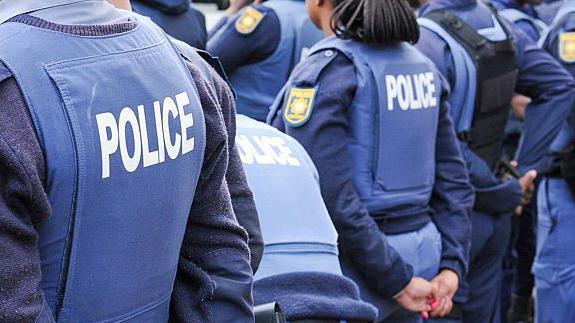
Police in KwaZulu-Natal province are, of course, investigating. They’re doing their due diligence after the two individuals, identified as Mozambican nationals, were found lifeless. One reportedly shot, the other apparently beaten. It isn’t a fresh narrative here; the script feels disturbingly familiar. Mozambicans, like many other foreign nationals—Zimbabweans, Malawians, Pakistanis—often trek across borders seeking a reprieve from economic despair, finding instead a volatile blend of opportunity and profound danger. This time, they didn’t make it home.
“We’re pursuing every lead,” a police spokesperson will tell you, because that’s what they’re paid to say. It’s boilerplate. The underlying message is stark: for many migrants, especially those in the informal sectors, their lives remain largely disposable in the national calculus. They’re the nameless, faceless cogs in an under-the-radar economy, their existence barely registered until tragedy strikes. And even then, it’s often a footnote.
The incident resurrects long-standing concerns about xenophobia — and targeted violence against non-South Africans. While authorities often label these as ordinary criminal acts, the frequency and specific targeting suggest something far more systemic. Because when the job market shrinks — and resources fray, someone always becomes the convenient scapegoat. The narrative rarely changes: migrants are accused of ‘stealing’ jobs, driving up crime, or draining social services. But let’s be honest, they’re often doing the dirty, dangerous work no one else wants.
But the government, predictably, has its hands full with elections — and internal political wrangling. They don’t want a messy, inconvenient truth complicating their campaigns. Home Affairs Minister Aaron Motsoaledi, in a statement likely released by an aide, probably insisted that “attacks on foreign nationals are condemned unequivocally, and we’re committed to upholding the rule of law for everyone within our borders.” A politician’s promise, always ringing true, if only in spirit.
From Maputo, a different kind of anguish echoes. Dr. Ana Paula Matola, a senior diplomat at the Mozambican Embassy, perhaps, might voice a more direct concern: “We’re deeply disturbed by these repeated incidents. Our citizens contribute meaningfully to South Africa’s economy, and it’s imperative that their safety and human rights are protected.” It’s a diplomatic tightrope walk; Mozambique can’t afford to alienate its powerful neighbour, even as its citizens face such stark brutality.
This isn’t an isolated phenomenon, either. The plight of economic migrants, often reduced to a cheap labor pool, mirrors challenges in diverse regions globally. Take the case of South Asian laborers in the Gulf states, who frequently navigate treacherous employment conditions, wage theft, and sometimes physical abuse, their precarious status often exacerbated by stringent kafala systems that bind them to employers. The drivers of migration might differ—economic disparities versus geopolitical factors, perhaps—but the fundamental vulnerability remains unnervingly similar. It’s a tale as old as capitalism itself: exploiting the vulnerable for maximum profit, anywhere from Johannesburg to Dubai.
South Africa hosts millions of foreign-born individuals, many undocumented. Official statistics from the UN show that as of 2020, South Africa had 2.9 million international migrants within its borders. That’s a significant portion of the population that many locals blame for their own socio-economic woes. This blame-game fuels periodic flare-ups of xenophobic violence, devastating communities — and destroying livelihoods. The police investigations? They’re often just an afterthought, or too slow to make a meaningful difference when tensions ignite.
What This Means
These killings aren’t just isolated acts of criminality; they’re symptoms of a festering malaise in South African society. Economically, they scare away the very labor that keeps parts of the informal economy churning, exacerbating skill shortages and undermining regional trade relations. Politically, the government walks a tightrope, needing to address citizen concerns about employment without alienating its regional partners or openly sanctioning xenophobic rhetoric. It’s a losing battle for everyone involved.
But there’s also an international dimension. Mozambique, already battling its own domestic insurgencies and economic woes, watches its diaspora with mounting concern. Each body sent home is a reminder of failed diplomacy, economic inequality, and South Africa’s enduring struggle to forge a truly inclusive nation from its tumultuous past. The optics are terrible for investment — and regional stability. It suggests a fundamental failure to protect the most vulnerable, a dark shadow lingering over the ‘Rainbow Nation’ moniker. The world sees it, too.