


From Heroes to Misfits: Kids’ Media Reflects a Fractured Global Identity
POLICY WIRE — Washington D.C., USA — The screens shaping young minds today offer a dramatically different narrative arc than just a generation ago. Gone are many of the sweeping tales of children...

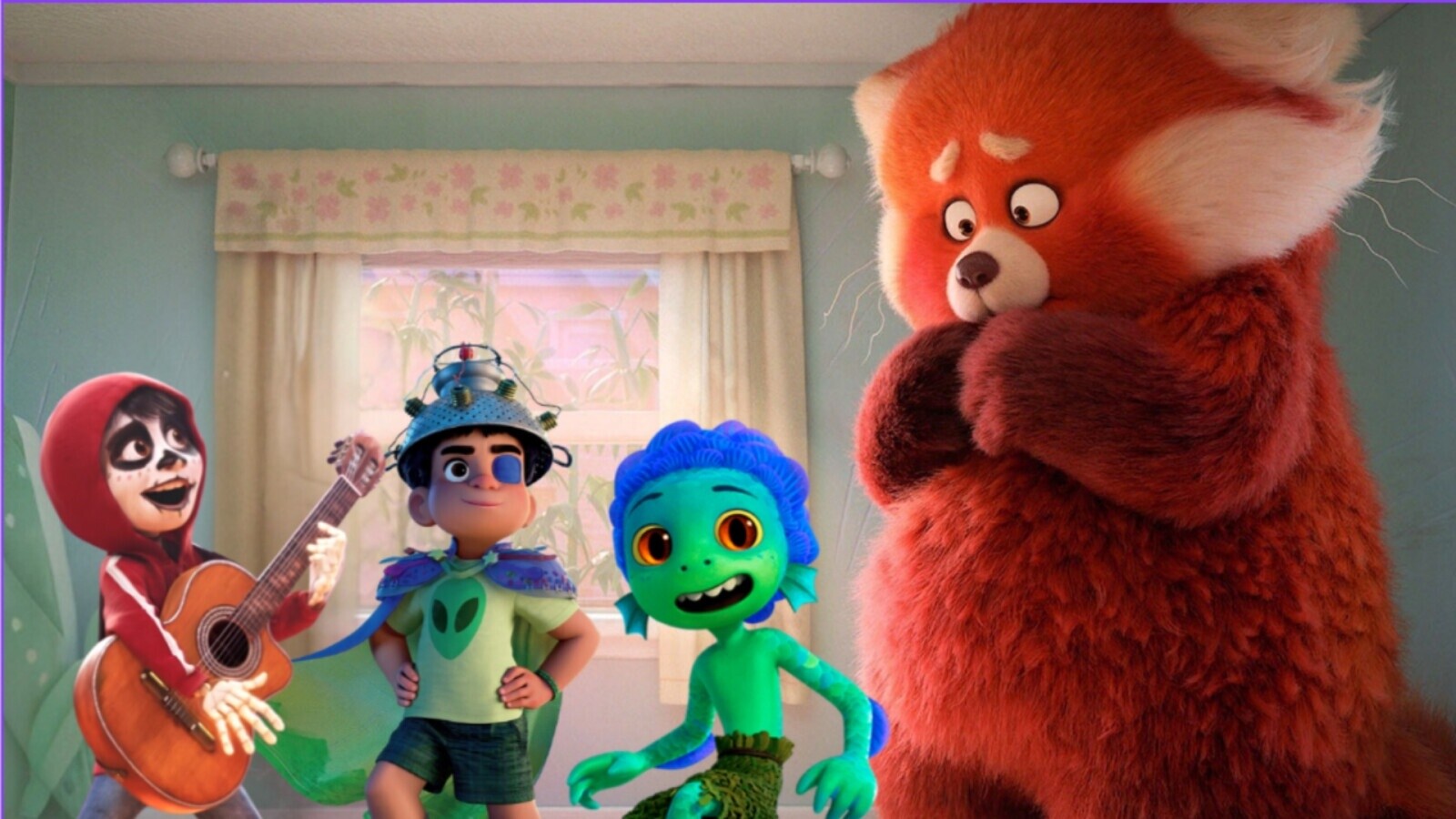
POLICY WIRE — Washington D.C., USA — The screens shaping young minds today offer a dramatically different narrative arc than just a generation ago. Gone are many of the sweeping tales of children destined for greatness, those narratives where a plucky kid, against all odds, rises to become a king or saves a universe. Now, it seems, the prevailing wisdom dictates a more introspective—and perhaps, more anxious—journey: one about simply surviving being, well, *different*.
It’s a subtle, almost insidious shift in cultural conditioning, you know? Back in the day, the hero’s journey, even for the smallest protagonists, was almost an expectation. We’re seeing a new wave, though, where the primary conflict isn’t just about good versus evil, or triumphing over external forces. Instead, the real battle’s internal, focused squarely on accepting what you are, warts and all, within a world that often struggles with genuine pluralism. Kids’ movies, once epic morality plays, are morphing into protracted therapy sessions, all about self-acceptance. But what happens when ‘self-acceptance’ becomes the only grand narrative left?
Consider the broader landscape. A 2023 report by the Kaiser Family Foundation indicated that average daily screen time for children aged 8-12 jumped by 32% over the last five years alone, profoundly shaping their worldviews. These aren’t just minor data points; they’re huge shifts in how we, as a society, are rearing the next generation. And they’re ingesting media that tells them (Awaiting official quote). It’s not just about what stories get told, but which ones *aren’t* being told anymore.
This evolving media diet doesn’t exist in a vacuum, of course. It feeds into and reflects anxieties prevalent in the modern world—a world increasingly comfortable with ‘weird’ as a commodity, but less so with true, striving individuality. In societies like Pakistan, for instance, where communal identity and traditional roles still often hold significant sway, children are simultaneously exposed to these Western media narratives promoting intense individual quirkiness. It creates a curious dissonance. Will this imported message empower self-expression, or will it create further alienation for young minds trying to reconcile these conflicting visions of selfhood and societal belonging? It’s not a rhetorical question, by the way.
There’s a definite charm in celebrating uniqueness. Who doesn’t love a character who’s unapologetically themselves? But the pendulum’s swung, hasn’t it? From a message of ‘you can do anything if you work hard,’ to ‘it’s okay that you’re not like everyone else.’ Which, sure, it’s okay. But what about striving? What about grand ambitions? Are we training a generation to just accommodate their oddities rather than challenging themselves to build something spectacular? We’re told that these stories teach kids to be empathetic — and inclusive, which they can, absolutely. Yet, sometimes I wonder if we’ve confused ‘acceptance of self’ with ‘the absence of aspiration.’
The cultural export of these narratives is also something to track. Nations striving for distinct cultural identities, particularly those outside the Western media hegemony—countries across the Muslim world, for example—are still contending with this flood of content. It impacts local storytelling, influencing what’s deemed commercially viable, what kind of messages resonate with the youth. Because young people everywhere are just as susceptible to the allure of these shiny, well-produced spectacles. It’s a very potent soft power, isn’t it?
And yes, parents, teachers, and policymakers across the globe—from Lahore to London—are grappling with what all this means for resilience, ambition, and social cohesion. Are we building character, or just validating eccentricity? It’s a fine line. Sometimes, you just gotta wonder.
What This Means
This paradigm shift in children’s entertainment isn’t merely a cultural curiosity; it carries tangible political and economic implications. Economically, it indicates a savvy recognition by media conglomerates of a burgeoning market segment: children grappling with mental health concerns and a desire for authentic representation. Studios are, quite frankly, monetizing neurodivergence — and individuality. There’s big money in content that affirms identity struggles rather than promoting aspirational quests, because it resonates deeply in an increasingly segmented and stressed global youth demographic.
Politically, the implications are more subtle but possibly profound. If young citizens are primarily socialized to ‘survive being weird’ rather than ‘strive for greatness’ or ‘contribute collectively,’ it could foster a generation more inward-looking, perhaps less inclined towards collective action, public service, or monumental civic projects. Nations, particularly those emerging economies that depend heavily on collective spirit and ambitious national goals—many throughout South Asia—could find their next generation less equipped, or less inclined, to pursue the sort of unifying, large-scale endeavors that shaped prior generations. The focus shifts from societal impact to individual coping. It’s a passive stance, — and a subtle erosion of collective will might just be its quiet price.