

Fringe Feather-Finder: Rare Heron’s Flight Exposes Delta’s Deep Divisions
POLICY WIRE — Sukkur, Pakistan — It wasn’t a matter of national security, nor the latest inflationary woe. No, it was a modest bird, a squacco heron—*Ardeola ralloides*, if you’re asking the...

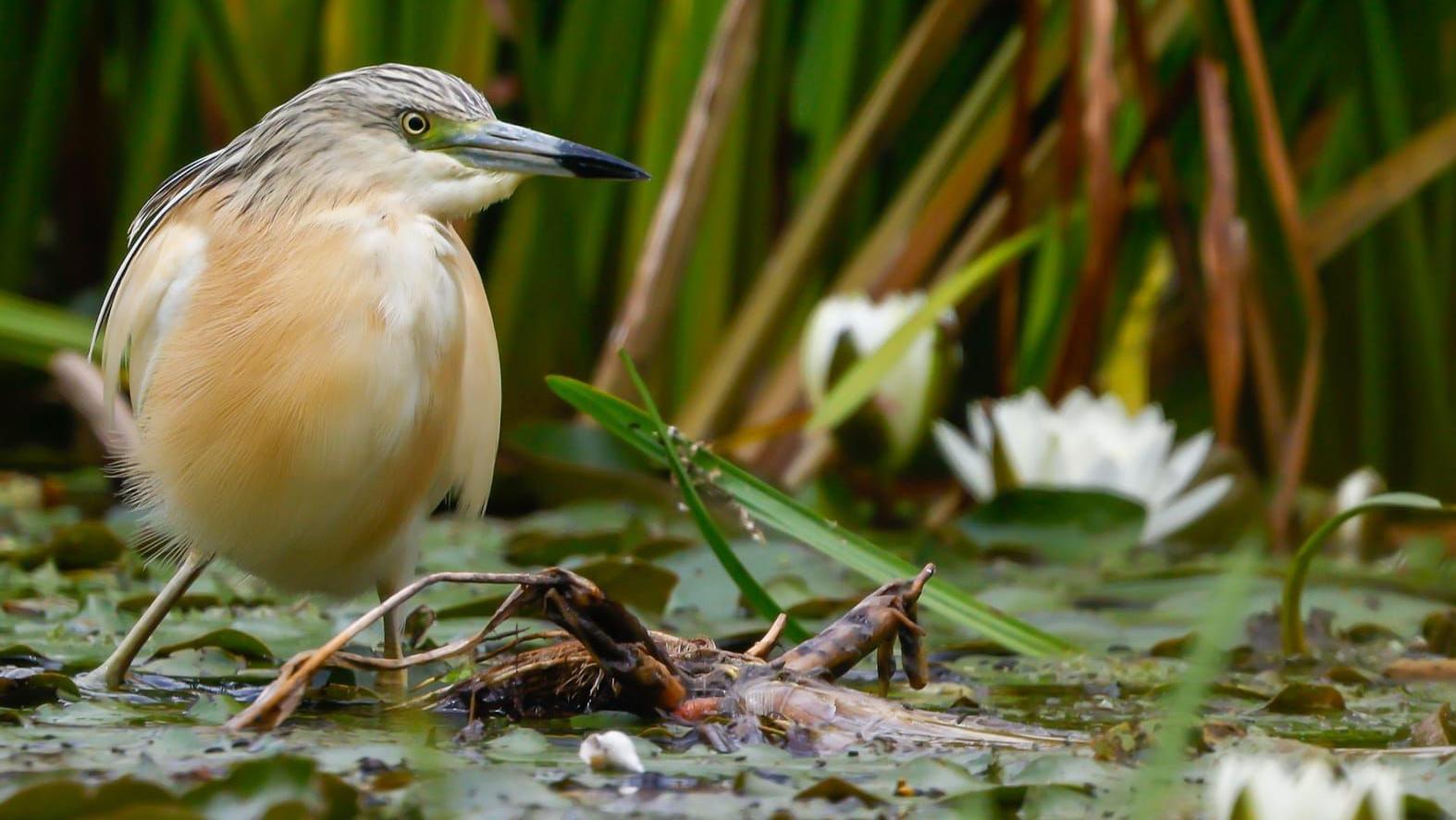
POLICY WIRE — Sukkur, Pakistan — It wasn’t a matter of national security, nor the latest inflationary woe. No, it was a modest bird, a squacco heron—*Ardeola ralloides*, if you’re asking the taxonomists—a shy creature typically seen flitting through the marshlands of warmer climes. But its unexpected appearance along a placid stretch of the Indus River in Pakistan’s Sindh province, specifically near Sukkur, has done what countless policy papers and protests couldn’t: it’s kicked the hornet’s nest of regional environmental politics wide open. Just a brown, reclusive wading bird; yet its momentary fame has thrown into stark relief the simmering tensions between conservation efforts, agricultural demands, and plain old neglect.
They’ve called it everything from an ‘omen’ to an ‘indicator species.’ For ornithologists, it’s a noteworthy observation—the first recorded sighting in that particular riverine habitat in nearly two decades. For politicians, however, it quickly morphed into something far less scientific, far more volatile: a proxy for the systemic failures afflicting one of South Asia’s most historically significant ecosystems. The Indus Delta, you see, is slowly suffocating, choked by upstream diversions — and pollution. And now, a lonely heron became its accidental, feathery spokesperson.
The story began as these things often do: a lone birdwatcher, a powerful telephoto lens, — and an excited tweet. Within hours, wildlife enthusiasts were flocking to the riverbanks, peering through binoculars, hoping for a glimpse of the feathered celebrity. But the fleeting thrill quickly soured. Local environmental groups weren’t just celebrating; they were seething. “This isn’t a victory; it’s a stark reminder of what we’ve lost, and what little remains,” declared Fatima Khan, head of the Indus River Watch, a non-profit conservation group. Her tone, devoid of any sentimentality, cut straight to the core: “Its rarity here? That’s our tragedy. It tells us the delta itself, our lifeblood, it’s collapsing.”
The Indus Delta, a vast expanse once rich in biodiversity, has shrunk by an estimated 92% in its active area over the last three decades, according to a recent UN Environment Programme report. That’s a staggering, grim number—a geographical catastrophe largely unnoticed by the wider world. Its vibrant mangroves — and thriving fishing communities? They’re now parched memories in many locales. It’s not just the squacco heron that’s rare; entire traditional livelihoods are becoming extinct.
And so, the heron’s photo spread. But its fame isn’t bringing tourism dollars; it’s bringing accusations. Critics are pointing fingers at upstream dam projects, indiscriminate agricultural runoff, and the lack of political will to ensure sufficient freshwater flow reaches the delta. “We’ve got grand plans, sure, for eco-tourism and wildlife preservation zones,” stated Minister for Water Resources, Tariq Al-Hassan, in a slightly exasperated public address, defending the government’s stance. “But these things take time. And they require balancing agricultural needs for a growing population. It’s a delicate dance, not an overnight miracle spurred by one bird, however beautiful.” One can practically hear the subtle sigh between his words.
But activists aren’t buying the ‘delicate dance’ rhetoric. They’re saying it’s less a dance — and more a death march for the delta’s unique biodiversity. Because when a bird—one that really shouldn’t be *that* uncommon here—makes headlines, it speaks volumes about systemic neglect. The real miracle wouldn’t be the heron appearing, but rather, the policymakers actually noticing the landscape around them. It’s easy enough to promise studies; it’s another entirely to redirect water from powerful farming lobbies.
Local fishermen, whose generational knowledge of the river is far more expansive than any governmental report, nod sagely. They’ve seen the river change. They’ve felt the impact on their nets — and their plates. For them, the squacco heron is less a novelty — and more a footnote in a long, ongoing obituary for a dying ecosystem. They’ve been shouting about the dying river for decades—now a bird’s finally garnered a whisper of official recognition. You’d think the policy wonks would be tired of these recurring alarms. After all, the warnings have been sounding for years, loud as church bells. But the government’s response always seems a little too slow-footed, a little too bureaucratic.
And who could blame them? These aren’t just local squabbles; they mirror the kind of cross-border environmental negotiations and geopolitical resource scrambles seen across continents. Europe, for example, is making its grand play for solar power in North Africa—a clear nod to global resource interdependence—while in the Indus basin, countries haggle over every drop. The principle, of managing shared natural wealth, remains the same. But the implementation? That’s where things get murky.
What This Means
The brief cameo of a single squacco heron has inadvertently cast a harsh light on Pakistan’s, and indeed, South Asia’s, long-standing struggle with environmental governance and resource allocation. It isn’t just about a bird; it’s about the very real political — and economic implications of a degraded ecosystem. A dying delta means declining fish stocks, impacting thousands of families directly. It means less agricultural resilience in a region already prone to climate volatility. The appearance of this bird forces politicians to confront the tangible, aesthetic loss of biodiversity—something much harder to spin than abstract GDP figures.
It’s a symptom, not the problem. Expect environmental advocacy groups to seize on this ‘squacco heron incident’ as leverage, pushing for stricter enforcement of environmental protections and greater accountability for water distribution. This minor ornithological event, unlikely as it seems, just might serve as a canary in the political coal mine, forcing a conversation policymakers would much rather avoid. Because ignoring the signs, be they feathered or factual, only makes the eventual reckoning far more unpleasant.