


Folk Monarch’s Absence Echoes at Albuquerque Fiesta, Unveiling Deeper Cultural Currents
POLICY WIRE — Albuquerque, United States — A ghost haunted the festive plazas of Albuquerque last weekend. Not of the spectral variety, mind you, but an absence—a potent void where the melodies of a...

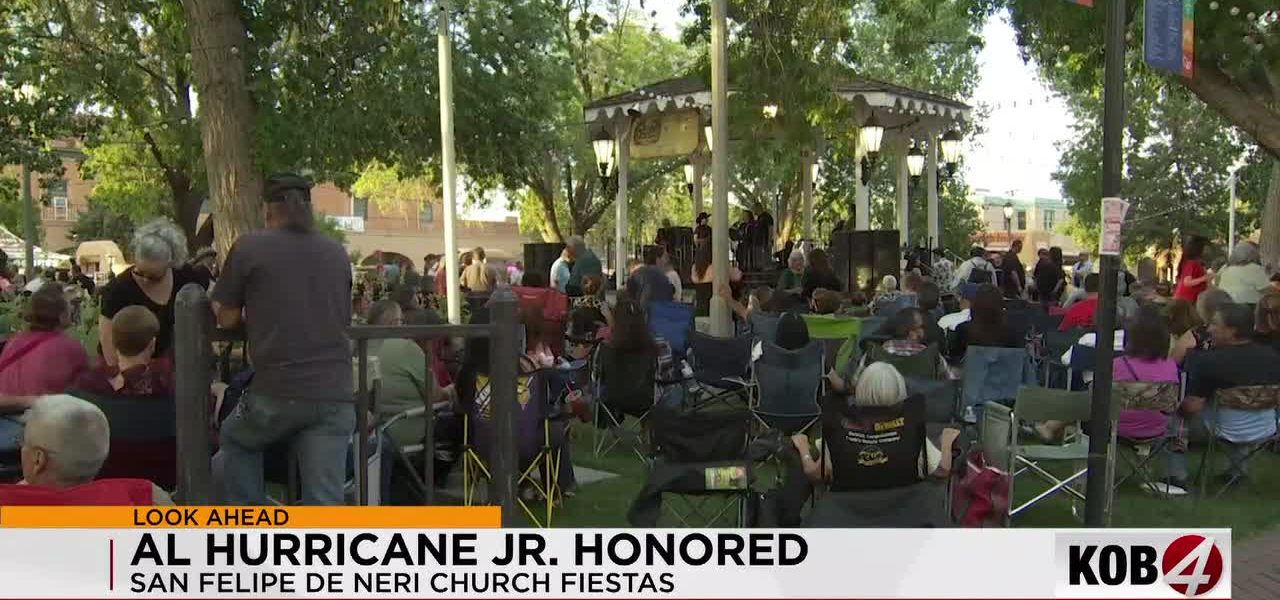
POLICY WIRE — Albuquerque, United States — A ghost haunted the festive plazas of Albuquerque last weekend. Not of the spectral variety, mind you, but an absence—a potent void where the melodies of a beloved artist should’ve resonated through the late summer air. The centuries-old San Felipe de Neri fiestas, a bedrock of New Mexico’s cultural calendar, unfurled with their usual blend of devotion and revelry, but beneath the surface, a different, more somber chord struck. The community wasn’t just celebrating; it was collectively grieving, transforming what would have been a performance into an extended wake.
It was supposed to be a familiar scene: Al Hurricane Jr., a maestro of the distinct New Mexican sound, commanding the stage, his voice a comfort and a connection for thousands. But fate, as it often does, had other plans. His recent passing cast a long shadow over the proceedings, forcing a sudden shift in script. Instead of his expected set, hundreds of New Mexicans congregated not for a new performance but for a tribute concert, a spontaneous canonization of a figure many considered nothing short of royalty. [QUOTE_PLACEHOLDER]
But how does a culture move forward when its living traditions lose a voice so central to its harmony? It’s not a simple question, nor is the answer straightforward. For communities like Albuquerque’s, bound by generations of shared experience, music isn’t mere entertainment; it’s the very fabric of identity. It stitches together family histories, binds neighbors, — and gives rhythm to ritual. And when a thread snaps, everyone feels the unraveling. We’ve seen it time and again across the globe, how public figures—especially artists who articulate a communal soul—become more than their craft. Their lives intertwine with the narrative of their people, making their death a shared, public wound.
The event itself, framed by the venerable San Felipe de Neri church, spoke volumes. It’s a structure that has witnessed centuries of local joy — and sorrow, absorbing it all into its weathered adobe walls. The fiestas are themselves a powerful expression of continuity, blending Catholic tradition with the distinctive Indo-Hispano culture of the American Southwest. Here, the sacred — and the profane dance in tandem. The fact that the planned celebration pivoted to a solemn commemoration so seamlessly illustrates an innate resilience, a way of absorbing shock without losing hold of tradition.
It’s this very ability to adapt while maintaining essence that’s mirrored in countless cultures, even those a world away. Think of the way South Asian communities, from Pakistan’s bustling cities to the quiet villages, weave memorial and art together. The Qawwali tradition, for example, often pays homage to Sufi saints and revered figures through intensely spiritual music, a practice that frequently becomes a vibrant form of community gathering and shared remembrance. When a musical giant like Nusrat Fateh Ali Khan passed, the outpouring of grief wasn’t just for an artist; it was for a keeper of cultural memory, a voice that articulated collective faith and heritage—much like Al Hurricane Jr. was for his unique New Mexican context.
The details emerging around Al Hurricane Jr.’s final rites further emphasize this community embrace. His rosary will take place next Friday at 7 p.m. at Queen of Heaven Church on Claremont Avenue in northeast Albuquerque. His funeral Mass will follow at the same church the next day at 11 a.m. But that’s not all. In a move reflective of modern connectivity, and perhaps acknowledging the sheer number of mourners, his family said they’re working on a way to livestream the services. It’s a testament to the digital age’s influence on ancient mourning practices, making personal loss a globally accessible experience—an acknowledgment of his widespread impact.
📄 POLICY WIRE WHITEPAPER PUBLISHED: PAKISTAN'S NATIONAL SECURITY POLICY PRIORITIES
👉 READ BY CLICKING HEREFor context, consider that data from a 2023 University of New Mexico study on local cultural events indicates that nearly 70% of residents consider participation in such gatherings essential for community well-being. That’s a stark illustration of the deep-seated value these traditions hold. Because these aren’t just festivals; they’re communal acts of affirmation.
And so, Albuquerque looks ahead, albeit with a heavy heart. The music will play on, assuredly, but the absence of its king will be felt acutely for some time. The challenge now isn’t just to remember Al Hurricane Jr., but to carry forward the torch of New Mexican musical heritage, finding new voices and new ways to keep its unique rhythm alive. It’s an ongoing effort, certainly one that cultural institutions worldwide face in an age of globalization and rapid change, from the intricacies of Afghan defiance in cricket to the strategic maneuvering in European football economics—all are reflections of how deeply cultural expression matters.
What This Means
The immediate political implication here is a soft one, perhaps—the unstated pressure on local and state leadership to recognize and support cultural institutions that foster such deep community cohesion. These fiestas aren’t just local parties; they’re reservoirs of social capital. They bind populations in ways that policy alone often can’t. Neglecting them or allowing their erosion through lack of funding or political will could create tangible civic fragility. Economically, these events represent micro-economies of their own. Street vendors, local businesses, and hospitality sectors see a bump, creating an economic ripple that, while small scale, is vital for community prosperity, particularly in heritage-rich but sometimes economically challenged regions. the family’s effort to livestream memorial services speaks to the evolving nature of community engagement in a digital age, prompting questions about how public services and policy might need to adapt to support culturally significant events in an increasingly online-first world. It’s not just about memorializing a musician; it’s about understanding the profound societal impact of shared cultural identity and the mechanisms needed to sustain it.