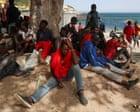



Ceuta Migrant Crisis Exposes Deep Divisions Within Europe
POLICY WIRE — City, Country — The recent migrant crisis at the Ceuta border has resulted in dozens of fatalities as an estimated 50,000 individuals attempted to cross from Morocco into the Spanish...

POLICY WIRE — City, Country — The recent migrant crisis at the Ceuta border has resulted in dozens of fatalities as an estimated 50,000 individuals attempted to cross from Morocco into the Spanish enclave. The incident has sparked a significant political crisis in Spain — and drawn criticism from various EU countries.
Authorities reported that many migrants died during their perilous journey, highlighting the severe humanitarian challenges faced by those attempting to reach Europe. The surge in crossings has placed immense pressure on local resources and infrastructure, leading to a state of emergency being declared in the region.
Spanish Prime Minister, [Name], addressed the nation, stating, “We’re committed to managing this crisis with both compassion and firmness. Our priority is to ensure the safety and well-being of all individuals involved.” However, the situation has ignited fierce debates within the Spanish government and across the EU regarding immigration policies and border security.
EU officials have called for a coordinated response to address the root causes of migration and to support Spain in managing the influx. European Commission President, [Name], emphasized the need for a unified approach, saying, “This crisis underscores the importance of solidarity and shared responsibility among EU member states.”
Meanwhile, Morocco has faced criticism for its role in the crisis, with some EU nations accusing it of not doing enough to prevent the mass crossings. Moroccan authorities have denied these allegations, asserting that they’re taking all necessary measures to secure their borders.
The crisis has also brought to light the deep divisions within Europe regarding immigration. Some countries advocate for stricter border controls and increased deportations, while others call for more humane and comprehensive policies that address the underlying factors driving migration.
As the situation in Ceuta continues to evolve, the international community watches closely, aware that the outcomes will have far-reaching implications for EU immigration policy and inter-state relations.
Reporting by Policy-Wire (PW)