


Florida’s Inferno: England’s Unconventional Path to World Cup Glory
POLICY WIRE — PALM BEACH GARDENS, FLORIDA — Palm trees. Humidity. And the England national football team, sweating through paces in what many would call a swamp. It’s a bit jarring, honestly....

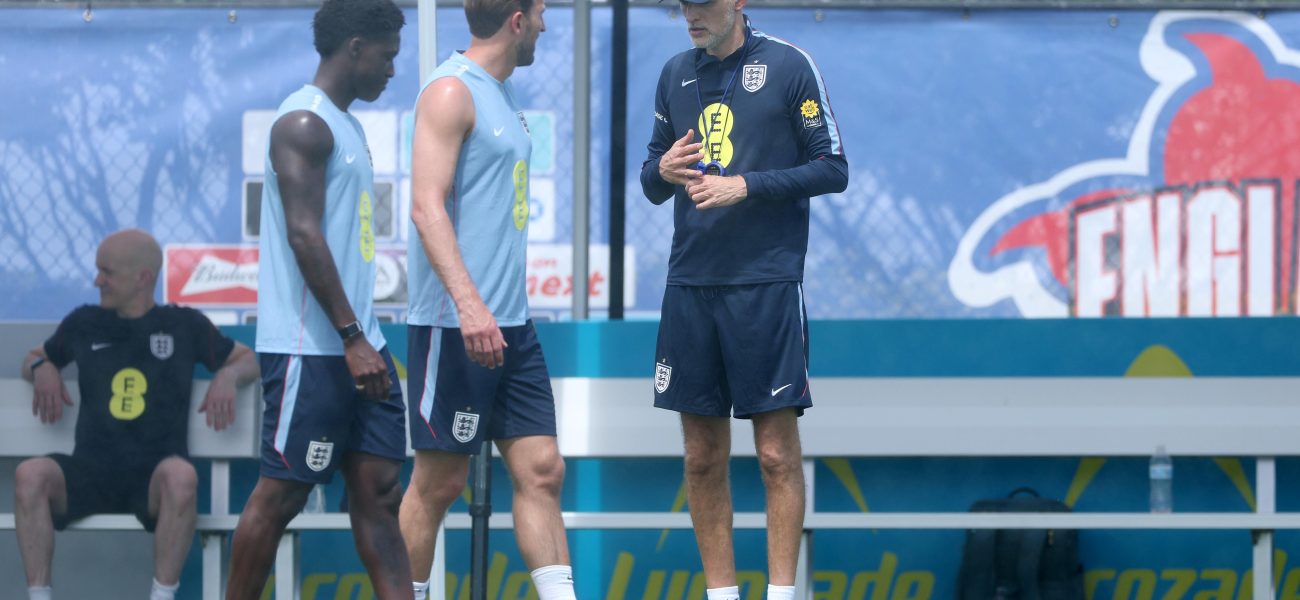
POLICY WIRE — PALM BEACH GARDENS, FLORIDA — Palm trees. Humidity. And the England national football team, sweating through paces in what many would call a swamp. It’s a bit jarring, honestly. Football’s grand, global circus often kicks off in the strangest places, and the Three Lions—supposed bastions of sporting tradition—have traded their temperate European climes for the sweltering, occasionally threadbare, practice pitches of West-Central Florida. It’s their preamble, see, to a World Cup journey they hope won’t end in the usual heartache.
Their whole squad’s been on a proper adjustment curve, mind. Navigating the steam-bath temperatures, humidity that just sticks to ya, and frankly, some rather dodgy pitch conditions. These American NFL grounds, you see, they roll out turf in patches—looks like a patchwork quilt sometimes. Still, they ground out a 1-0 friendly victory over New Zealand at Raymond James stadium last weekend. Kane—who else?—notched a header just before the half. Just one more friendly, against Costa Rica in Orlando, then it’s showtime: their World Cup opener against Croatia in Dallas, Texas.
But amidst the grit — and the grime, a curious assessment emerged. Despite the utterly punishing conditions—the very reason, it’s argued, they’re baking in Florida in the first place—England manager Thomas Tuchel seems practically giddy about Harry Kane’s current state. No, really. The gaffer, who also coaches Kane at Bayern Munich, wasn’t holding back with his appraisal of his star striker.
“Harry is in top shape and ready to go. He showed me the whole week that he is ready, he’s determined. He also got titles, he was so influential in Bayern Munich’s campaign. He is our key player. He looks lean, sharp and he trains at the highest level. We had a defensive training session (on Friday) and he was leading the intensity. He is so used to the high press from Bayern Munich and the intensive game that they play in the opponents’ half. He is leading by example. I think he is in the best shape,” Tuchel gushed, speaking to the press ahead of the New Zealand friendly.
Now, let’s be straight: it’s not a jaw-dropper, is it? Kane’s coming off the sort of season other players can only dream about, even if Bayern ultimately fell short of Champions League glory and the German cup. He’s been an absolute machine. Think about it: a staggering 61 goals and 7 assists from a total of 51 appearances across all competitions in his debut Bundesliga season. That’s a ridiculous return for any forward, let alone one adapting to a new country and a new league, and it’s a statistic often cited by outlets like *Kicker* when discussing European Golden Boot contenders. Little wonder then, he’s the odds-on favourite for the Ballon d’Or if he manages a decent World Cup showing.
And because Tuchel and pretty much everyone else involved with English football wants him to replicate that form, the German coach will be hoping Kane just, well, carries on doing his thing. The only fly in that ointment? Any fresh injury concerns. Without them, there’s no reason to imagine Kane won’t be absolutely central to the Three Lions’ ambitions in the States. His leadership on the pitch, even during those torturous training sessions, is supposedly keeping the squad’s focus sharp.
It’s an image, really, that plays out across a global stage. The meticulous preparation of European giants for an American-hosted tournament has echoes in how countries like Qatar poured resources into their own World Cup preparations. And, just as the fortunes of elite clubs reverberate far beyond their geographic origins, Kane’s success—or lack thereof—isn’t just England’s concern. In football-crazy nations across the Muslim world, from Cairo’s cafes to Karachi’s sprawling urban centres, fans follow these titans with almost religious fervor. The English Premier League, for example, boasts a massive following in Pakistan, sometimes eclipsing interest in domestic sports. They’ve picked their allegiances—Manchester United, Liverpool, Arsenal—and the players, Kane included, become extensions of those identities. His potential Ballon d’Or push would ignite conversations globally, regardless of which flag he plays under internationally.
What This Means
This whole spectacle—a top European team training under near-tropical conditions to face global rivals—highlights the ever-globalizing landscape of sport, certainly. But it’s got layers. Economically, these mega-events, like the World Cup, are massive drivers of investment and tourism, shifting significant capital across continents. Hosting duties for nations like the United States aren’t just about sporting prestige; they’re about soft power, projecting a global image, and drawing tourist dollars that then circulate through local economies. When Kane, a Bayern Munich star, plays for England, it represents a convergence of national and club interests, an intricate dance between different powerful sporting brands.
But think about the fan bases, too. The dedication of players like Kane, who’ve played nearly fifty club games before embarking on a national tournament, speaks to the incredible demands placed upon them by both club and country. This constant high-stakes performance isn’t just about personal glory; it fuels vast media empires, broadcast deals worth billions, and the passionate engagement of millions of fans in regions like South Asia. Star athletes’ commitment is a currency. And their impact on the global market cannot be understated. Political implications also linger—a successful national team campaign, particularly for a European heavyweight, can provide a momentary sense of unity and distraction from domestic challenges. It’s a convenient narrative for politicians. Winning matters. It just does. Because in the grand theatre of global sport, every goal, every victory, even every carefully managed press conference, has an impact far beyond the pitch. It’s a diplomatic tool, an economic engine, and a cultural touchstone all rolled into one, albeit one forged in the Florida heat. Or, you know, wherever the next bizarre training camp ends up being staged.