


Fleeting Showers in New Mexico Offer Scant Respite as Arid Realities Loom
POLICY WIRE — Albuquerque, United States — For a brief moment, the parched New Mexico landscape caught its breath. Rain — that rare, cherished commodity in this corner of the American Southwest — had...

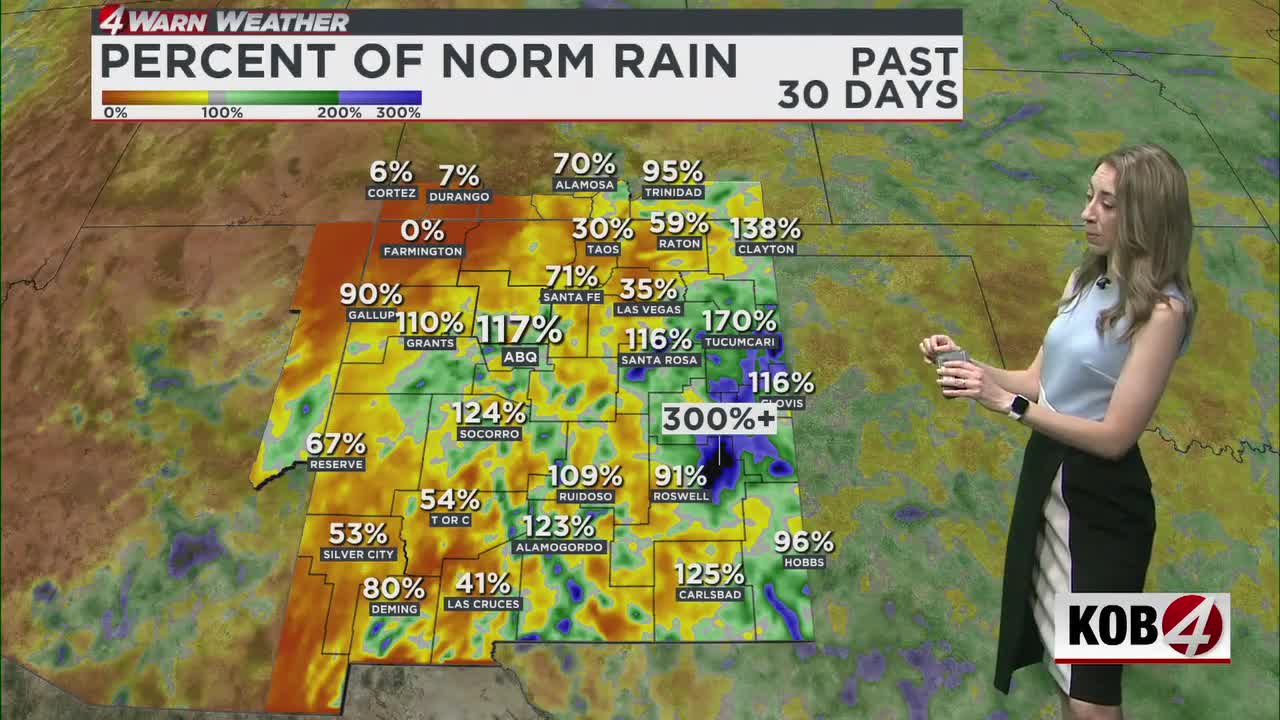
POLICY WIRE — Albuquerque, United States — For a brief moment, the parched New Mexico landscape caught its breath. Rain — that rare, cherished commodity in this corner of the American Southwest — had fallen, offering a fleeting reprieve from the persistent narrative of aridity. But as quick as it arrived, the wet spell packed its bags, confirming once more that this isn’t a place built for hydrological complacency.
It’s an old story here, told in whispered anxieties across sunbaked mesas: moisture is borrowed, not given. That recent soaking? Don’t get too used to it. Meteorologist Amanda Goluszka’s Forecast for June 4, 2026, laid it out with crisp professional detachment. [QUOTE_PLACEHOLDER] she stated, a subtle acknowledgement of the desert’s cyclical caprice.
The system responsible for these unexpected blessings, particularly in the eastern and southern reaches of the state, officially called it quits Thursday morning. [QUOTE_PLACEHOLDER] That’s the official line, plain — and simple. And, for the next week or so, the forecast calls for a return to form. You shouldn’t expect the heavens to open up like they did. Not much chance of it.
Because the atmospheric conditions just won’t be as cooperative for those pop-up storms to bloom across the map this afternoon. Oh, some will surely try — mainly, those feisty cells that cling to the mountains and high terrain. But with a weaker steering flow, what does form [QUOTE_PLACEHOLDER] So much for broad, egalitarian moisture distribution.
But the previous downpours weren’t entirely benign, even in their brief appearance. That’s the thing about intense, sporadic rainfall in dry climates. Too much at once. [QUOTE_PLACEHOLDER] Ms. Goluszka warned. That’s a classic sign of an ecosystem unused to, — and unprepared for, sudden deluges. Concrete can’t drink; hard-packed earth struggles. Even [QUOTE_PLACEHOLDER] she added, a stark reminder of past environmental trauma echoing into the present.
Northwestern New Mexico, bless its perpetually dry heart, is predicted to keep things bone-dry and, predictably, very warm. Forget the sprinklers up there. Any precipitation trying to sneak into the Albuquerque metro is just a faint whisper on the wind, a [QUOTE_PLACEHOLDER] she cautioned. [QUOTE_PLACEHOLDER] Basically, more of the same dry, breezy conditions, prime for stirring up those iconic dust storms. It’s what we’ve grown to expect.
This transient relief — an illusion of plenty — mirrors hydrological realities in other arid corners of the world, too. Think of regions in Pakistan or parts of the Middle East, where erratic monsoon deluges and flash floods can follow prolonged droughts. These are communities that also cling to each drop, acutely aware of its scarcity while simultaneously vulnerable to its sudden, destructive force. Policy makers in Islamabad, much like their counterparts in Santa Fe, perpetually grapple with the economic and social implications of a fickle sky.
And what about the underlying stress on our water systems, regardless of a single sunny Thursday? According to the U.S. Drought Monitor, as of May 28, 2024, a staggering 76.5% of New Mexico was experiencing drought conditions (D0-D4). That’s a figure that puts any momentary drizzle into chilling perspective. These dry spells, punctuated by intense but localized rainfall events, don’t just affect whether you carry an umbrella; they shape agricultural policy, influence energy decisions, and even dictate the future of our urban development.
Friday offers little additional hope for widespread dampness, with Ms. Goluszka noting [QUOTE_PLACEHOLDER] It’s a forecast that demands more than just a passing glance at the sky. It demands hard thinking, something we often tend to ignore until the well runs dry.
What This Means
This shift from brief, localized deluges back to sustained aridity isn’t just a weather report; it’s a stark reminder of our regional climate vulnerability, one with clear political and economic ripples. The short-lived rainfall, while momentarily welcomed, masks the underlying problem of prolonged drought across most of New Mexico. It provides the illusion of adequate supply, potentially delaying urgent, longer-term policy decisions on water conservation, infrastructure upgrades, and sustainable agricultural practices. Local officials might defer investments in greywater recycling or desalinization projects, preferring to react to immediate conditions rather than strategically plan for the inevitable. But our wells aren’t refilling fast enough. But a temporary lull isn’t a solution; it’s a distraction. the inherent unpredictability—the sudden street flooding risk juxtaposed with persistent drought—highlights the growing challenge of managing water resources in an era of climate volatility. Taxpayer dollars will invariably flow toward reactive measures like flood mitigation after a sudden storm, rather than proactive investments in reservoir capacity or aquifer recharge. It’s a budgetary juggling act no one’s keen on. From a broader economic standpoint, industries reliant on stable water supplies—agriculture, ranching, and even burgeoning tech sectors—face persistent uncertainty. Businesses might shy away from significant expansion in the region, wary of resource limitations. This environmental precarity also has social justice implications, often disproportionately impacting Indigenous communities and low-income areas first affected by water restrictions and food insecurity. It’s a complex mess, isn’t it?