

Fickle Rain Delays, Doesn’t Defeat, New Mexico Inferno
POLICY WIRE — CAPITAN, N.M. — The brief, cool kiss of recent rainfall offered New Mexico a momentary sigh of relief, yet it’s a calm born less from definitive victory and more from a fleeting...

POLICY WIRE — CAPITAN, N.M. — The brief, cool kiss of recent rainfall offered New Mexico a momentary sigh of relief, yet it’s a calm born less from definitive victory and more from a fleeting meteorological grace period. Beneath the temporary quiet, an immense fire continues to smolder, its tendrils held back by crews but ready to reignite with the dry winds that surely follow. We’re watching a holding pattern, not a resolution—a critical distinction, particularly when considering the sheer scale of the ongoing ecological havoc.
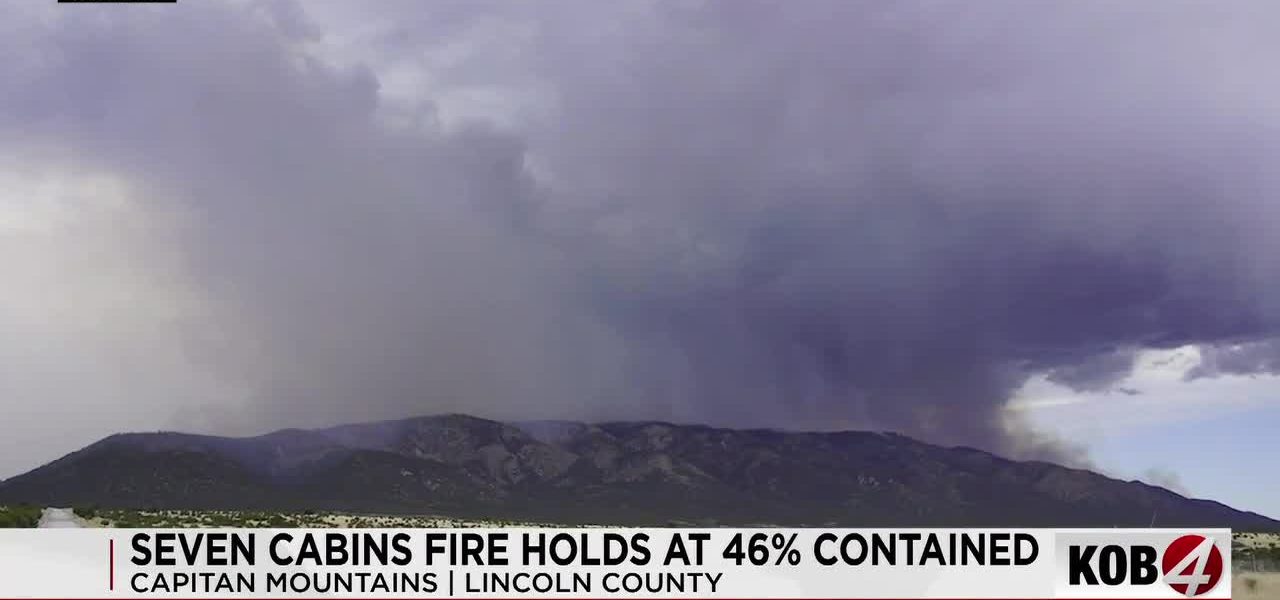
This isn’t just about New Mexico’s dry season. But it sure feels like it when you look at the numbers. This beast, dubbed the Seven Cabins Fire, a "human-caused fire" originating back on May 14, now sprawls across an alarming 28,750 acres and is "46% contained." That containment figure, while a statistical comfort, is largely credited to the heavens, not solely human endeavor. According to KOB.com, "rain helps crews hold lines and mop up hot spots." Imagine that, fighting nature with nature, almost. [QUOTE_PLACEHOLDER]
It’s a temporary truce, though. And everyone knows it. "Warmer — and drier weather is expected to return" to the Capitan Mountain Wilderness. That’s the forecast, grim as it sounds. "Logs and dense timber still hold heat," say fire managers, painting a picture of lurking danger, of combustible potential just waiting for a fresh spark. That, right there, is the uncomfortable truth: a sleeping dragon in a dry forest. Those deep, smoldering fuels could "reignite nearby vegetation in steep terrain as conditions dry out." It’s not a matter of ‘if,’ but ‘when’ and ‘where’ next.
Some 1,104 personnel are out there, scrambling. They’re fixing roads, clearing debris, strengthening perimeters. Crews kept working on mop-up Wednesday and strengthened northern containment lines, trying to carve out a definitive barrier before the atmosphere decides to turn up the heat again. They’re repairing fences, hauling out gear—the thankless, arduous work that comes after the immediate crisis has supposedly passed, but before the real threat recedes. Highway 246 reopened to traffic Tuesday, a tiny return to normalcy, but much of the Capitan Mountain area remains shut off, a scarred exclusion zone.
Baca campground remains closed — and Stage 1 fire restrictions are still in effect. There’s even a Temporary Flight Restriction lingering over the area for firefighting aircraft, a constant, visual reminder of the sky-high stakes. Managers are even mulling "possible firing operations along Forest Road 57" to strategically clear fuels—a risky maneuver that trades a controlled burn for an uncontrolled inferno. It’s a high-stakes gamble, always. They’ve spent days "preparing holding lines and check lines there." You don’t do that unless you’re bracing for the worst, right?
For locals, life’s on hold. Areas like Fort Lone Tree, South Base Road, — and parts of State Highway 246 are under SET evacuation status. Residents are told to "stay alert, monitor conditions and be ready to leave if needed." It’s that uneasy peace again—waiting, watching the horizon, praying the smoke doesn’t gather too thick, too fast. We’re talking about lives and livelihoods tethered to the whims of weather and wildfire, in a state that knows too much about both.
📄 POLICY WIRE WHITEPAPER PUBLISHED: PAKISTAN'S NATIONAL SECURITY POLICY PRIORITIES
👉 READ BY CLICKING HEREWhat This Means
This episode, an ongoing struggle between human intervention and natural forces, offers a stark political and economic tableau. The immediate cost of fighting fires like Seven Cabins is astronomical, drawing millions in resources and manpower, diverting funds that could bolster local economies or educational programs. It’s a continuous, reactive spend that offers little proactive return, a drain on state — and federal coffers. Think of it as a bureaucratic blindspot—managing the symptoms, not addressing the deeper systemic shifts.
Beyond the budget sheets, there’s the broader political fallout. When such an expansive "human-caused fire" demands constant attention and significant resources, it pushes local and state officials into crisis management mode, often at the expense of other critical governance. It stresses infrastructure, strains emergency services, and introduces an inherent instability to land use policy and tourism, particularly for regions relying heavily on their natural landscapes. For populations forced to "stay alert, monitor conditions and be ready to leave if needed," there’s an invisible tax on psychological well-being, an erosion of trust in the stability of their environment and—by extension—their government’s ability to protect it.
And let’s zoom out. This pattern of increasingly fierce and erratic wildfires, often exasperated by human activity and changing climate, isn’t unique to New Mexico. This ongoing struggle for containment mirrors resource-intensive battles against climate fallout across the globe. From the parched plains of the American Southwest to the flood-scarred deltas of Pakistan, communities grapple with ever-more erratic weather patterns and the sheer logistical nightmare of managing wide-scale environmental devastation. In South Asia, where extreme heat waves are now a deadly annual event and unpredictable monsoons unleash catastrophic flooding, the same questions arise: How do governments protect their populations? How do strained economies adapt to the financial burden of constant disaster recovery? And what price, ultimately, do societies pay when nature pushes back against years of human impertinence?
But make no mistake. Until those "logs and dense timber" stop holding their hidden heat, the Capitan Mountain range remains a tinderbox—a testament to human vulnerability and the planet’s increasingly sharp retorts. For now, it’s all hands on deck, trying to outrun the inevitable until the next natural pause. Or, one might say, the next catastrophe.