
China’s Soft Power, EU Policy: Reshaping Global Influence
China's consumer-driven soft power and the EU's policy deadlines are reshaping global influence. Discover their impact on international relations and economies worldwide.

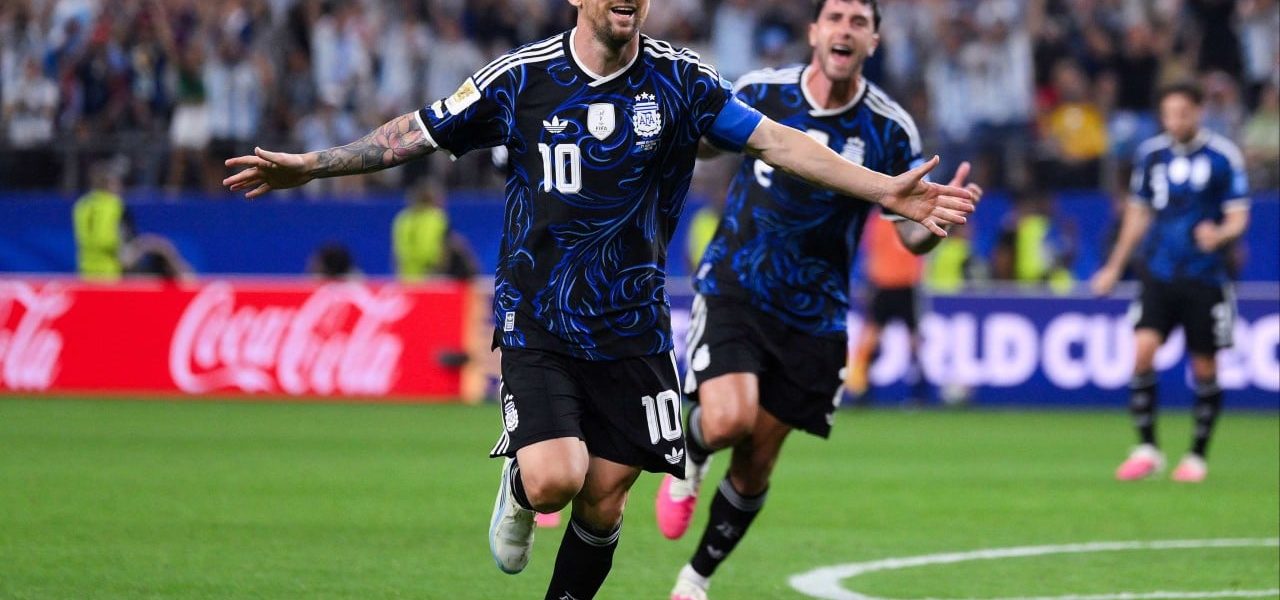
POLICY WIRE — BEIJING, China — Amidst the thunderous cheers echoing across North American stadiums, a peculiar symphony plays out: the ardent support of millions of Chinese football fans. It’s a curious spectacle, perhaps, considering the People’s Republic itself failed to field a team in the competition. But for anyone tracking the subtler currents of global influence, this isn’t just about athletic prowess; it’s a telling snapshot of a world increasingly shaped by economic muscle, consumer desire, and—well—the allure of individual celebrity over national identity.
It’s no secret that China has, for years, poured resources into cultivating a formidable domestic football scene. They’ve spent billions, bought international stars for their leagues (then often divested just as quickly), and yet the national team, quite frankly, remains a perpetual disappointment. And it’s this collective sporting frustration, ironically, that drives hundreds of thousands of Chinese supporters to transcend national loyalties. They travel across continents, waving banners for Ronaldo or Messi—the very faces of an individualistic global sports narrative their own state-centric system struggles to produce. [QUOTE_PLACEHOLDER]
This isn’t merely about sporting whims, though. Analysts consistently highlight China’s status as one of the world’s largest football markets. The sheer economic power of this fandom, capable of swaying endorsement deals and viewership figures on a global scale, isn’t lost on anyone. And it’s this raw purchasing power, divorced from state-backed sporting glory, that paints a broader picture of Beijing’s engagement with the international arena: a deep desire for prestige and recognition, often manifesting through consumerism when direct accomplishment eludes them. It’s an interesting pivot, if you think about it.
And speaking of complex global engagements, Europe’s current dalliances with trade deadlines form another axis of international relations that, while seemingly unconnected to football, hints at similar undercurrents of power and strategy. The European Union, with its formidable regulatory framework and internal divisions, is a master of the slow, methodical policy grind. They’re less about the sudden burst of a star forward and more about the protracted, intricate negotiations of the midfield. We’re watching to see if Brussels can, once again, thread the needle on trade pacts, managing internal dissent while presenting a united front to external partners.
But the real game—the one often played out quietly in regional capitals—concerns how these larger, macro trends ripple through diverse economies. Take Pakistan, for instance, a nation constantly navigating the delicate balance of international alliances and economic necessities. The push and pull of Chinese investment—seen in projects spanning from the China-Pakistan Economic Corridor to digital infrastructure—has been transformative. When China’s populace shifts its adoration to foreign football heroes, it’s not just a cultural curiosity; it speaks to the underlying soft power dynamics. It’s a reflection of globalized aspiration, often beyond what national narratives alone can satisfy. These cultural currents, even when originating from something as ostensibly apolitical as a sports tournament, inform how countries like Pakistan perceive and engage with larger powers, impacting everything from digital content preferences to policy frameworks regarding foreign influence.
Then you’ve got the deadlines that shape geopolitical landscapes. The EU’s trade ultimatums, for example, aren’t just dry economic terms; they can determine market access for producers in Punjab or drive policy debates in Islamabad over regulatory harmonization. Because, ultimately, global commerce doesn’t happen in a vacuum. It’s an intricate dance of incentives, threats, — and sometimes, the quiet despair of unmet expectations.
📄 POLICY WIRE WHITEPAPER PUBLISHED: PAKISTAN'S NATIONAL SECURITY POLICY PRIORITIES
👉 READ BY CLICKING HEREAnd what about those subtle signals coming from Beijing regarding how their cultural aspirations are managed? Is the state comfortable with this outward embrace of foreign footballing gods, or does it eventually aim to redirect this immense fan energy back towards domestic (and by extension, nationalistic) successes? That’s a strategic calculus currently in play, impacting not only what Chinese citizens consume, but how the global market, from tech giants to sports merchandisers, adjusts its strategies.
It’s not just about what makes headlines. It’s about the intricate network of cause and effect, the quiet consequences of decisions made far away that reverberate through bustling markets and quiet homes across continents. The current global scene, with its confluence of digital connections and enduring national rivalries, truly offers a masterclass in the unexpected.
What This Means
The juxtaposition of China’s fervent, externally focused football fandom with the EU’s methodical, deadline-driven trade policy reveals a fascinating duality in contemporary global relations. On one hand, China’s massive economic footprint, even when deployed through consumer choices like sports, constitutes significant soft power. This non-state-controlled projection of desire—rooting for foreign athletes—underscores the limits of state-centric cultural engineering, while simultaneously demonstrating the raw power of the Chinese consumer market to shape global industries. For South Asia, particularly Pakistan, this means a more complex, multi-faceted engagement with Beijing, where economic ties are increasingly intertwined with cultural influences, some state-sanctioned, some emergent from popular global trends. Understanding this evolving landscape is critical for navigating regional power dynamics, especially when considering the influence of major powers like China on development and diplomatic strategies. Policy makers everywhere, including within Pakistan’s power corridors, need to acknowledge that global engagement isn’t just about government-to-government dealings; it’s also about what a billion-plus population *chooses* to buy and whom it chooses to idolize.
On the other hand, the EU’s persistent use of trade deadlines highlights the continued efficacy of established institutional mechanisms in guiding international commerce and policy. It’s a stark contrast to China’s more emergent, market-driven cultural projection. The implications for nations worldwide, from developing economies in Africa to established trading partners in the Middle East, are clear: adhering to and understanding these complex frameworks remains paramount for market access and economic stability. These deadlines are not arbitrary; they’re often highly politicized instruments to protect internal markets, enforce standards, and advance bloc interests. A failure to engage effectively with these diplomatic timetables, or misunderstanding their underlying motivations, can have substantial, lasting economic repercussions, shaping national GDPs and labor markets far from Brussels.