

Fentanyl Floodgates: New Mexico Decries DEA’s Lethal Strategy Amid Soaring Overdoses
POLICY WIRE — Santa Fe, N.M. — It wasn’t the traffickers alone. Turns out, some of the deadliest fentanyl making its way to New Mexico’s communities got a VIP pass, courtesy of the very...

POLICY WIRE — Santa Fe, N.M. — It wasn’t the traffickers alone. Turns out, some of the deadliest fentanyl making its way to New Mexico’s communities got a VIP pass, courtesy of the very federal agency sworn to stop it. That’s the gut-punch revelation leaving state and local leaders fuming, accusing the Drug Enforcement Administration (DEA) of a cold, calculated gamble that traded human lives for bigger busts.
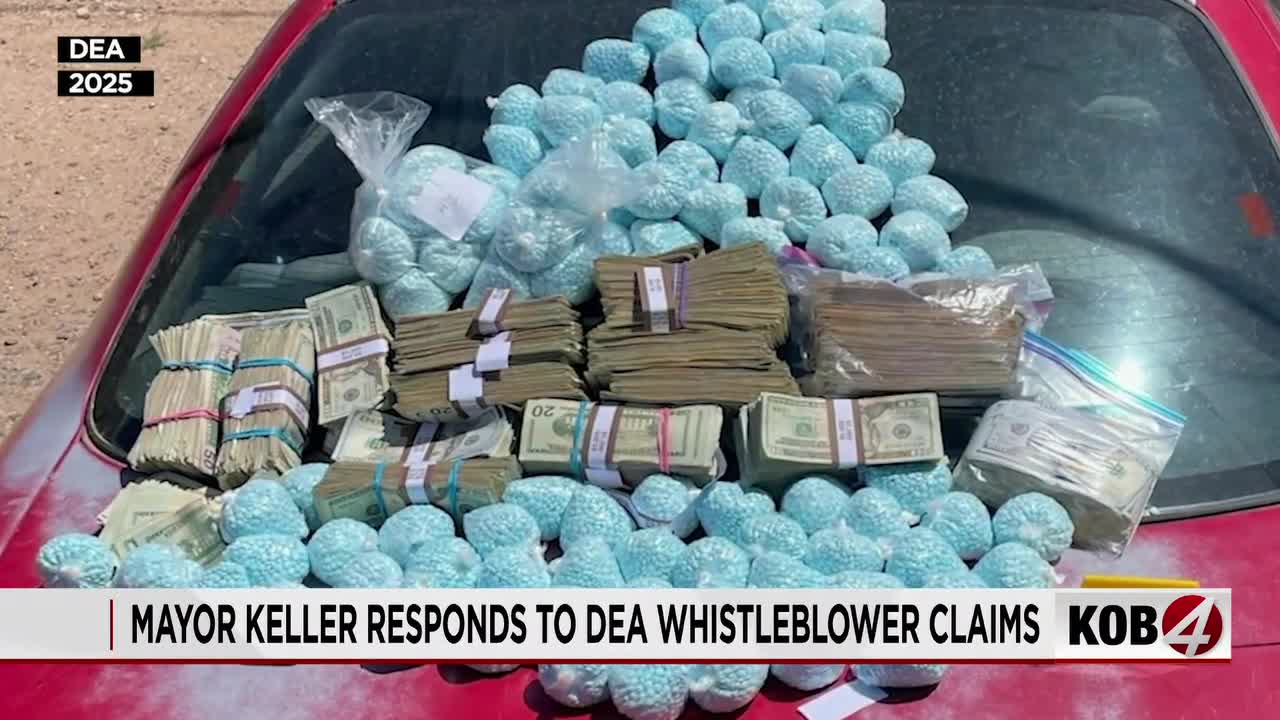
For months, whispers of an almost unbelievable betrayal circulated. Now, with an Associated Press report based on whistleblower David Howell’s claims, the whispers have morphed into a roaring accusation. Howell, a former DEA operative, alleges the federal government observed—and crucially, permitted—the unfettered movement of hundreds of thousands of fentanyl pills into the state from 2023 to 2025. Their reasoning? To track supply chains, identify high-value targets, and, presumably, make a grander statement down the line. A strategic sacrifice, it would seem, with New Mexico as the unwitting, deeply scarred battleground.
Mayor Tim Keller of Albuquerque didn’t mince words. Speaking from the raw nerve of a city grappling with an overdose crisis, he articulated a visceral sense of betrayal. “You find out that our own government has been flooding the streets with fentanyl,” Keller lamented, his voice thick with outrage. “On the one hand, it’s almost like a betrayal of us trying to keep people safe. On the other hand, it’s likely they caused hundreds of people to die.” He painted a grim picture of federal indifference, asserting, “Their callous disregard for, ‘Oh it’s Albuquerque,’ or ‘it’s New Mexico.’ It’s almost like we’re collateral in some bigger scheme. It’s disgusting.”
New Mexico Governor Michelle Lujan Grisham escalated the condemnation, promising to pursue every legal avenue against the federal apparatus. She described a methodical watch-and-wait operation where agents documented precise pill counts, even observing 74,000 fentanyl pills delivered to an Albuquerque mobile home park — without intervention. “Make no mistake: the DEA knew people would die if these pills made it into New Mexico communities, and the agency let it happen anyway,” Governor Lujan Grisham stated in a furious Wednesday dispatch. And she’s not wrong: The state now shoulders the dubious distinction of leading the nation in the increase of overdose deaths for two consecutive years, according to state health department data, even as national numbers show a downward trend. That’s a grim report card for any ‘strategy’.
But how does a strategy like this even take root? The thinking, as told by Howell, centers on the perennial quest for ‘bigger fish.’ Law enforcement agencies sometimes believe that sacrificing smaller hauls allows for the infiltration of larger criminal enterprises. It’s a calculated risk, no doubt—one that, in this instance, demonstrably failed its immediate public safety objectives. Meanwhile, the DEA’s official line remains boilerplate: “It’s not possible to seize every shipment of every drug,” a spokesperson vaguely offered, dismissing the claims as fundamentally mischaracterizing the facts. Convenient, wouldn’t you say?
It’s an ethical quagmire, this federal strategy, prompting conversations far beyond the Land of Enchantment. Countries like Pakistan, for example, battling their own endemic drug scourges, frequently contend with the moral dilemmas of interdiction versus intelligence-gathering in transnational crime. Where do you draw the line between a necessary evil for dismantling larger networks and a direct abrogation of public trust? And when does a ‘strategy’ become indistinguishable from complicity?
Governor Lujan Grisham has, in previous administrations, implored Washington for more resources. Her desperate pleas to Attorney General Merrick Garland for increased agents—repeated requests between 2022 and 2023, even benchmarking against federal deployments in places like Buffalo, New York—were evidently met with federal agencies conducting, shall we say, a rather peculiar form of enforcement. The federal government, she made clear, shouldn’t view New Mexican lives as a mere ‘cost of doing business.’ But it seems they did.
What This Means
This escalating spat isn’t just about New Mexico; it rips the veneer off trust in federal institutions. Politically, Governor Lujan Grisham is cornered, needing to demonstrate strong state-level action while battling perceived federal ineptitude or malfeasance. Her threat of legal action against the federal government, while ambitious, speaks to the depth of the perceived injury. Economically, the spiraling addiction crisis strains state healthcare resources — and stifles productivity. The allegations—if proven true—could fundamentally reshape the public’s perception of federal drug enforcement, not just in New Mexico but across states battling the fentanyl wave. It opens the door for legislative scrutiny and potential reforms in how federal agencies operate covert intelligence-gathering operations that directly impact public health and safety. this incident could be invoked in other geopolitical contexts where governments debate the morality of compromising immediate security for long-term strategic gains, particularly in areas dealing with international crime syndicates or political insurgencies. For citizens, it simply means that even their protectors might be playing a much darker, deadlier game with their lives. And that, frankly, is a terrifying thought.