


FEMA’s New Mexico Relief: Billions Spent, Questions Vanish Into Thin Air
POLICY WIRE — Washington, D.C. — Federal agencies, bless their hearts, occasionally like to mark what they call milestones. The Federal Emergency Management Agency (FEMA) just hit one, supposedly,...

POLICY WIRE — Washington, D.C. — Federal agencies, bless their hearts, occasionally like to mark what they call milestones. The Federal Emergency Management Agency (FEMA) just hit one, supposedly, with its Hermits Peak-Calf Canyon Claims Office doling out over a cool $3.5 billion for New Mexico wildfire victims. That’s a lot of zeros. You’d think such a figure would come with a fair bit of clarity. It hasn’t, not even close.
Instead, what we’ve got is a persistent, grinding hum of unanswered questions, a bureaucratic ghost chorus, if you will. While the public might be thinking the system’s humming along—More than 24,000 claims have been paid, FEMA crows—others, particularly those paying attention, see only the dust kicked up by avoidance tactics. And they don’t buy it. [QUOTE_PLACEHOLDER]
It’s an old dance, isn’t it? The government announces a new director, Nancy Casper, making vague promises about prioritizing survivors who suffered total losses. Noble sentiment, that. But here’s the rub: no one’s seen any proof, any concrete policy change, not a single memo explaining how the process was changed, what criteria are being used, or how victims who lost everything are being moved ahead in line. And why should they?
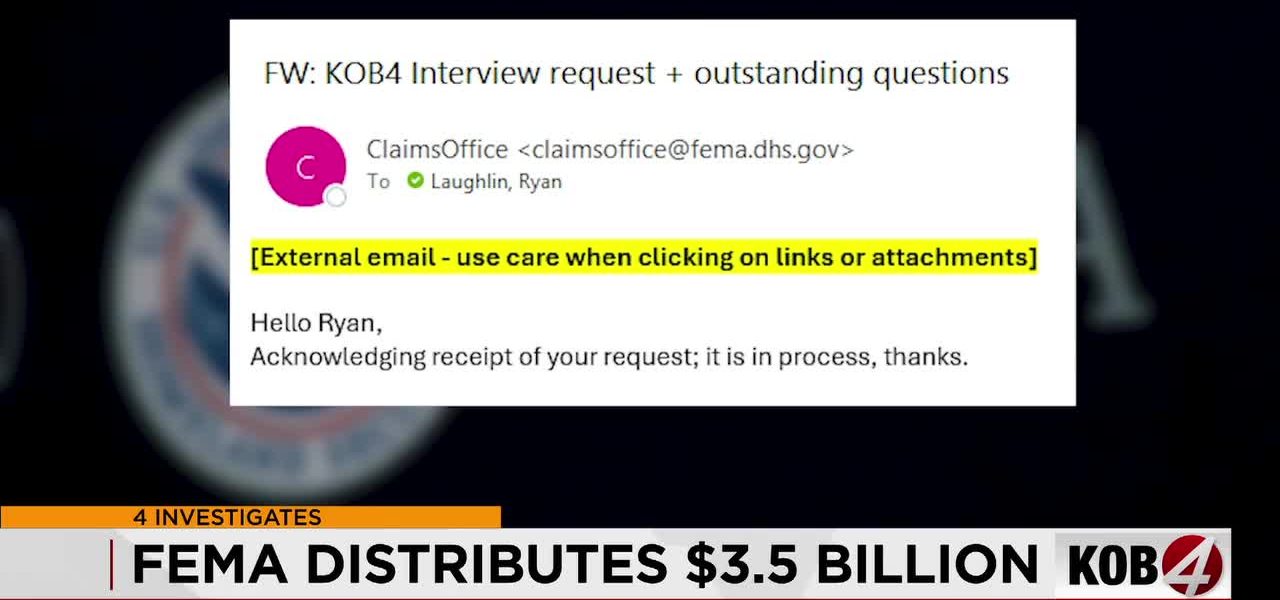
Because the agency, quite frankly, just continues to dodge transparency questions. Months, sometimes stretching into years, questions from outfits like ‘4 Investigates’ get the same pat answer: in process or in the review process. They want to know where the money goes. They want an accounting. They want interviews. They get zip.
Look at the timeline. It’s a comedy of errors, except for the people actually trying to rebuild their lives. In January, reporters ask about an overdue annual report to Congress. FEMA says it’s in the review process. Fast forward six months. Still missing. Still no report. What are they reviewing, exactly? Ancient hieroglyphs?
But that’s just the tip of this rather iceberg of opacity. A scandal brewing earlier saw former Claims Office Director Jay Mitchell put on administrative leave after revelations he received approximately $500,000 through the claims process himself. His deputy director? Received similar 6-figure payouts. The kind of thing that makes you raise an eyebrow—or both, if you’re particularly jaded. FEMA’s response to inquiries about their employment status was, predictably, in process. It’s still in process. You’d think half a million bucks to a director handling other people’s disaster claims might warrant a swift resolution. Guess not. It just isn’t happening.
So, the leadership changes, yes, new faces, same bureaucratic mumble-jumble. In April, journalists tried for an interview with Director Casper, a simple request for a detailed account of where relief dollars were being spent. Same answer. Same, exact answer when they asked again in June, explicitly requesting a county-by-county breakdown of payments. Still in process. It’s almost impressive how consistent they’re at saying nothing, year after year.
📄 POLICY WIRE WHITEPAPER PUBLISHED: PAKISTAN'S NATIONAL SECURITY POLICY PRIORITIES
👉 READ BY CLICKING HEREOne begins to wonder if FEMA’s definition of in process actually means ‘let’s just wait until they give up.’
What This Means
This persistent opaqueness isn’t just a minor administrative hiccup; it’s a festering wound in public trust, and a big one for Policy Wire’s beat. Politically, it erodes confidence not just in FEMA but in federal disaster response generally. How can you effectively prepare for the next crisis if the system for recovery from the last one looks like it’s eating its own tail? And that’s a political liability during wildfire season intensifying nationwide.
Economically, it means those New Mexicans whose lives were upended by fire—who lost everything, maybe twice—are caught in limbo. They don’t know if the money allocated to them is actually reaching them, or if it’s being siphoned off, or merely getting lost in bureaucratic purgatory. Such lack of clarity has international repercussions, influencing perceptions of American administrative efficiency and ethical oversight. Think of the outrage, or the resigned shrug, with which similar accusations of aid diversion or bureaucratic inertia are met in countries like Pakistan or even regions within the Muslim world following humanitarian crises.
These sorts of situations fuel public cynicism, making people question if the enormous sums pledged by governments, even in wealthy nations, genuinely benefit those on the ground. And this isn’t just abstract. It translates to slower recovery, more suffering, and a deepening conviction among the populace that institutions simply don’t work for them, especially when it comes to accountability for federal spending, like the more than $3.5 billion that’s reportedly gone out. They’re telling folks a lot has been done. But where’s the receipt, you know? It’s all a bit too much like watching smoke without a fire alarm. Somebody’s got to ring it.