


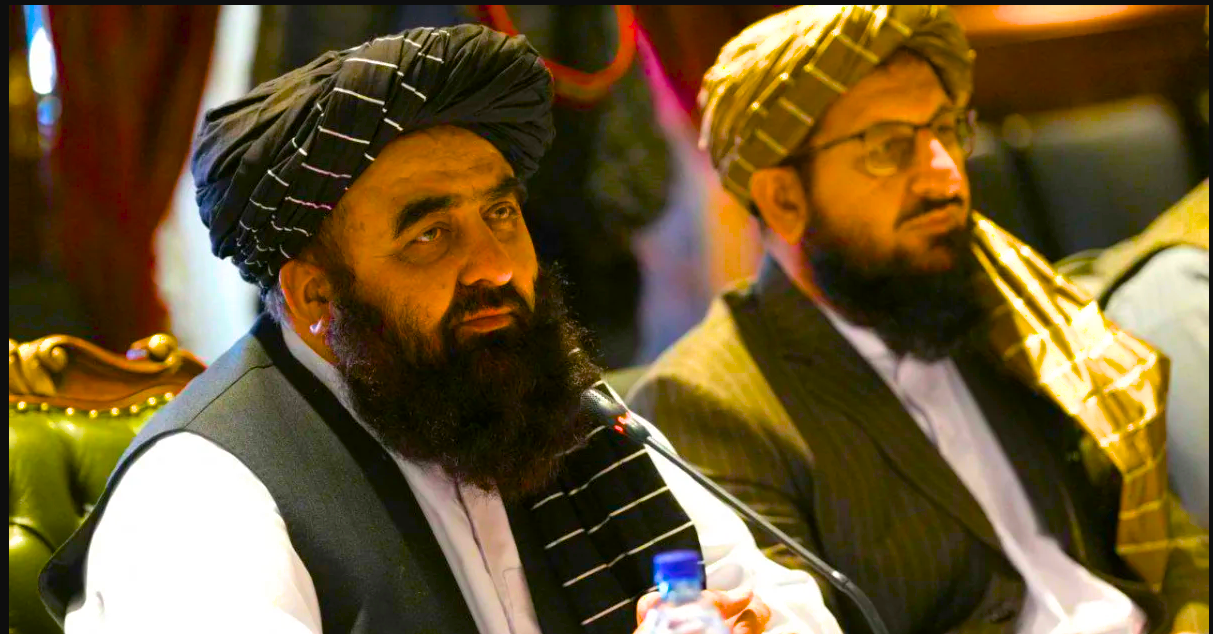
Exposing Afghanistan’s Diplomatic Duplicity and Anti-Pakistan Bias
Afghanistan’s repeated claims of “good neighborliness,” “regional cooperation,” and “balanced diplomacy” have long sounded hollow to careful observers, but recent developments have stripped even the...

This duplicity is most evident in Afghanistan’s increasingly close ties with India, Pakistan’s traditional rival. While claiming to promote regional peace, Kabul openly celebrates New Delhi’s outreach, applauds India’s elevation of diplomatic engagement, and welcomes its new ambassadorships as “positive steps.” The same administration, however, spares no opportunity to criticize Pakistan, accusing it of interference and aggression even as border tensions persist and extremist sanctuaries thrive on Afghan soil. The contradiction is glaring. Afghanistan seeks to extract aid, legitimacy, and diplomatic recognition from countries aligned against Pakistan while condemning the very neighbor that has hosted millions of Afghan refugees and extended consistent support through decades of turmoil.
Historically, Pakistan has stood at the forefront of humanitarian and diplomatic engagement with Afghanistan. From sheltering refugees since the Soviet invasion to facilitating the Doha peace process that ended decades of U.S. occupation, Pakistan’s role has been both pivotal and costly. Yet Afghanistan’s current leadership repays this goodwill with hostility and denial. Instead of curbing militant outfits such as the Fitna Al Khawarij (FAK), which use Afghan soil to launch attacks against Pakistan, Kabul issues empty statements and offers little cooperation. This refusal to act against anti-Pakistan terrorists speaks volumes about its double game. It exposes how the regime’s anti-Pakistan rhetoric is not merely political theater but a deliberate strategy to retain leverage in the region.
Border clashes along the Pakistan-Afghanistan border further reveal Afghanistan’s hypocrisy. Whenever Pakistan enforces border management or counterterrorism measures, Kabul decries them as violations of sovereignty. Yet, when militants infiltrate Pakistani territory or attack civilians, the Afghan administration either looks the other way or denies any involvement. This selective outrage is more than inconsistency; it is a calculated form of deflection. By portraying Pakistan as the aggressor, Afghanistan attempts to divert attention from its own failures to maintain internal security and control extremist factions. In doing so, it endangers not only bilateral relations but also the broader dream of regional stability.
Afghanistan’s diplomatic behavior toward other states further underscores its opportunism. When India re-establishes limited diplomatic presence in Kabul, Afghanistan hails these gestures as milestones in “international recognition.” Yet, similar gestures from Pakistan, such as trade facilitation or humanitarian aid, are met with suspicion and scorn. The Afghan leadership seems to judge diplomatic outreach not by principle but by political convenience. Favorable relations with India are celebrated as “constructive,” while Pakistan’s engagement is painted as interference. This selective interpretation of goodwill exposes a pattern of political bias that prioritizes image over integrity.
At the heart of Afghanistan’s foreign policy lies a desire for legitimacy. Isolated by the international community and struggling to gain recognition, the Afghan government seeks validation wherever it can find it. Aligning with India and engaging with selective partners offers a façade of balance, a way to appear pragmatic while maintaining a hard line against Pakistan. Yet this approach is self-defeating. Instead of building bridges, it fuels mistrust. Instead of creating common ground, it alienates the one neighbor most invested in Afghanistan’s stability.
The hypocrisy becomes more glaring when viewed through the lens of counterterrorism. Pakistan continues to face the brunt of cross-border terrorism, with the Fitna Al Khawarij (FAK) and its affiliates operating with impunity from Afghan territory. Despite multiple bilateral dialogues and intelligence sharing, Kabul’s actions remain limited to lip service. By allowing such groups to thrive, the Afghan regime indirectly emboldens extremism, undermining both Pakistan’s security and its own long-term peace. These groups, once instruments of leverage, eventually become uncontrollable threats. This is a lesson Afghanistan should have learned from its own tragic history, yet short-term political calculus continues to dictate its choices.
International observers, including mediators from regional forums and global institutions, have repeatedly acknowledged Pakistan’s constructive approach. Islamabad has consistently emphasized dialogue, trade, and people-to-people connectivity as the foundation for regional peace. Initiatives such as border fencing, visa facilitation, and humanitarian aid convoys reflect Pakistan’s willingness to cooperate despite provocations. However, Afghanistan’s refusal to reciprocate exposes the imbalance in intentions. While Pakistan seeks cooperation, Kabul thrives on confrontation. While Pakistan works toward stability, Afghanistan weaponizes grievance as a diplomatic tool.
The Afghan leadership’s strategy of blaming Pakistan also serves a domestic purpose. Faced with internal dissent, economic isolation, and governance challenges, scapegoating Pakistan provides a convenient distraction. It helps rally nationalist sentiment and shift public frustration outward. This is not new; Afghan regimes throughout history have used anti-Pakistan rhetoric as a political survival tactic. What makes the current situation dangerous, however, is the intersection of this rhetoric with extremist empowerment. By tolerating groups like the FAK and simultaneously courting India, the Afghan government risks igniting regional instability for the sake of political symbolism.
This duplicity also undermines broader regional initiatives such as the China-Pakistan Economic Corridor (CPEC) and connectivity projects linking Central and South Asia. Rather than positioning itself as a partner in regional development, Afghanistan’s leadership continues to act as a spoiler, allowing insecurity and mistrust to dictate relations. Its bias not only hurts Pakistan but also deprives Afghan citizens of opportunities for trade, employment, and prosperity that regional integration could bring.
Pakistan, meanwhile, continues to exercise restraint and uphold its commitment to peaceful coexistence. Despite provocations, it maintains diplomatic engagement and offers platforms for dialogue. Its stance is not one of weakness but of maturity. This reflects an understanding that regional peace cannot be built on animosity. Yet this patience should not be mistaken for passivity. Afghanistan must be reminded that partnership is a two-way street. Mutual respect cannot exist alongside propaganda, and stability cannot thrive amid duplicity.
Afghanistan’s so-called “balancing act” is, in reality, a balancing act of deceit, an effort to appear cooperative while pursuing narrow political gains at Pakistan’s expense. The irony is that such behavior erodes Afghanistan’s own credibility in the international arena. True diplomacy demands consistency, responsibility, and respect for neighbors, not opportunism dressed in the language of peace. Kabul’s selective alliances and anti-Pakistan bias may yield temporary applause from certain quarters, but in the long run, they isolate Afghanistan further and weaken its case for legitimacy.
Until Kabul abandons this policy of duplicity and bias, it will remain trapped in a cycle of mistrust and instability. The path to genuine peace lies not in playing one neighbor against another, but in embracing sincerity, cooperation, and accountability. Afghanistan must recognize that its security and prosperity are inseparable from Pakistan’s stability.
Author