


Europe’s Goalkeeper Gambit: Italy’s Youth Export and the Global Hunt for Talent
POLICY WIRE — London, UK — The machinery of European football never truly rests. Even as one season bleeds into the next, far from the floodlit arenas, a quieter, often ruthless, battle unfolds: the...

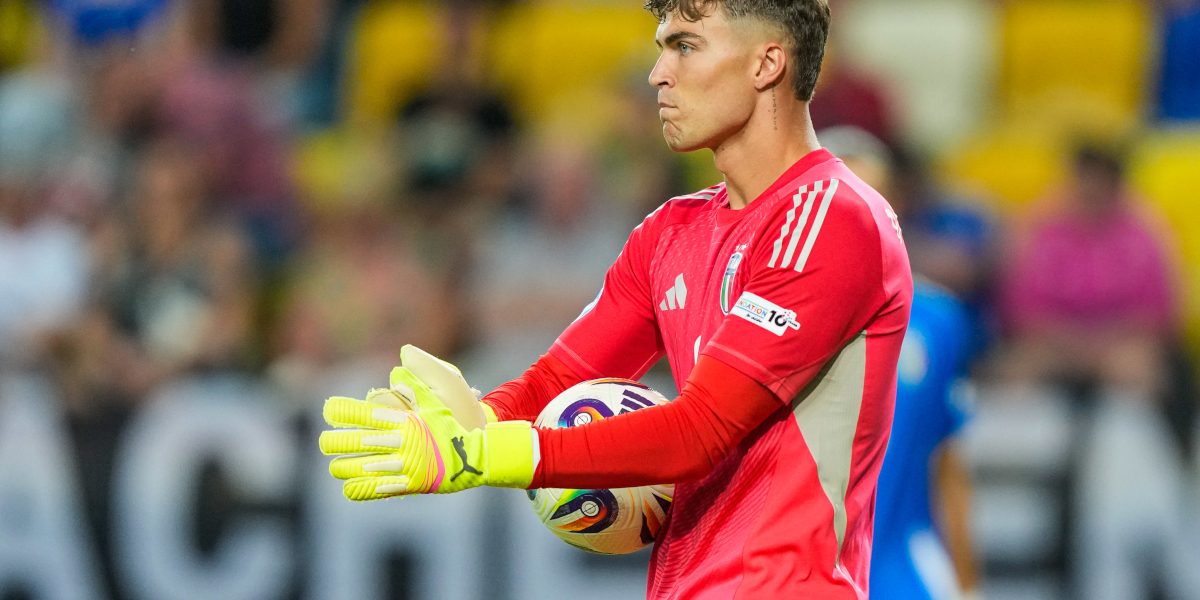
POLICY WIRE — London, UK — The machinery of European football never truly rests. Even as one season bleeds into the next, far from the floodlit arenas, a quieter, often ruthless, battle unfolds: the relentless pursuit of young talent. It’s a perpetual arms race, a desperate search for the next undervalued asset who might, just might, transform fortunes on and off the pitch. And right now, much of the continent’s scouting apparatus seems fixated on a 23-year-old Italian goalkeeper.
Sebastiano Desplanches, currently on loan to Serie B outfit Pescara but technically still on the books at Palermo, has found himself at the nexus of this intrigue. Sky Sport Italia, rarely wrong on these matters, reports a flurry of interest – Glasgow Rangers, Norwich City, and a smattering of unnamed Italian clubs are all said to be circling. It’s a scene replayed countless times each year, but this particular episode peels back layers on the global economics of the beautiful game.
Desplanches, a product of Milan’s vaunted youth system before stints with Vicenza, Trento, and now Palermo, isn’t just another aspiring player; he’s been a consistent presence for Italy’s Under-21 side, amassing 16 caps for the Azzurrini. That kind of pedigree, even in a developmental stage, screams ‘opportunity’ in a market perpetually starved for reliable shot-stoppers. Palermo, which holds his contract until June 2028, isn’t likely to just give him away. They’re looking for a loan-to-buy agreement, a classic maneuver to hedge against both immediate profit loss and future potential.
“We’re immensely proud of Sebastiano’s development,” commented Enzo Riccio, Palermo’s Sporting Director, from his office in Sicily, with a note of calculated detachment. “But we’re also a club that must make intelligent economic choices to secure our future. This isn’t just about a player; it’s about our strategic positioning in a very demanding market, you know?” It’s a familiar refrain – the blend of paternalistic pride and hard-nosed accounting that defines modern club management. But Palermo knows it holds a card. They developed him, yes. Now they’re expecting their cut.
And what a competitive market it’s. “The margins are tiny now,” declared Kevin McFarland, a scout often informally linked to Rangers’ recruitment strategies, though he was careful to remain coy on specifics. “You’re not just scouting a pair of safe hands; you’re betting on potential in a market where every major club wants a slice of tomorrow’s dominance. It’s a real scramble, it’s. There aren’t many undiscovered gems left. We’re all fishing in the same small pond.” McFarland’s assessment underscores the brutal zero-sum reality: one club’s gain is another’s agonizing miss.
The average transfer fee for a young, unproven goalkeeper from Europe’s second-tier leagues sits around €2-5 million, though a hot prospect with international youth caps like Desplanches could push that higher. But according to Transfermarkt data, only about 15% of transfers involving players under 23 years old in Europe’s top five leagues turn a significant profit for the buying club, showcasing the immense risk inherent in these transactions.
📄 POLICY WIRE WHITEPAPER PUBLISHED: PAKISTAN'S NATIONAL SECURITY POLICY PRIORITIES
👉 READ BY CLICKING HEREBut consider the broader landscape. Just as clubs in the UK eye talent from Italy, there’s an ever-growing appetite for elite-level football and talent development extending eastward. Pakistan, for instance, a nation often overlooked in football narratives, is home to a burgeoning youth demographic and a growing passion for the sport, albeit with nascent professional structures. Imagine the soft power inherent if, say, Rangers were to embark on a concerted scouting mission in Karachi – unearthing local talent and fostering links in a region craving international engagement beyond cricket. Because while a goalkeeper’s transfer might seem parochial, it’s just another ripple in the accelerating globalization of sports. It’s a policy move in miniature, wouldn’t you say?
What This Means
This pursuit of Sebastiano Desplanches, seemingly just another entry in the voluminous transfer rumour mill, actually paints a vivid picture of modern football’s economic and even geopolitical currents. Clubs like Rangers and Norwich aren’t merely filling a squad gap; they’re engaging in calculated risk assessments, weighing present cost against speculative future gain. For Palermo, a strong sale translates into vital operational capital, enabling future investments – perhaps even in infrastructure projects that benefit the wider Sicilian economy. It’s trickle-down economics, but with shiny boots — and turf.
the interest from abroad underscores the ongoing ‘export’ of Italian footballing talent, often a contentious point within the domestic league structure. Does it weaken Serie A in the long run? Or does it merely confirm Italy’s robust youth development pipeline, proving its ability to churn out players coveted by wealthier leagues? The economic implication is stark: smaller clubs often can’t compete with the wage packets offered by British or wealthier Italian counterparts, forcing a ‘sell-to-survive’ model. And it’s not just about players; these deals also establish, or sometimes sever, intangible diplomatic connections between regions, football institutions becoming de facto cultural ambassadors. You see it across the globe, from Baku’s ambitions in combat sports, as we’ve previously analyzed, to how clubs engage emerging markets. This seemingly small move is a piece in that vast puzzle.