


Anfield’s Unthinkable Gambit: Pulisic and the Post-Salah Predicament
POLICY WIRE — London, UK — The summer transfer window’s churn, a maelstrom of ambition and desperate conjecture, often delivers the bizarre. But even by those chaotic standards, former...

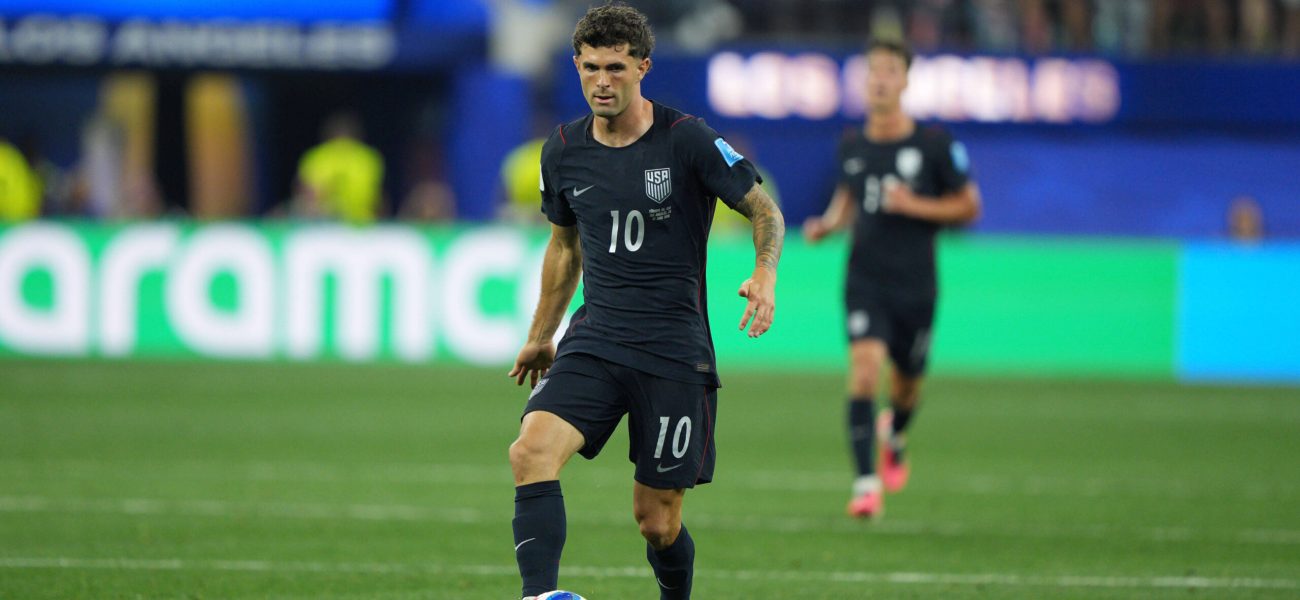
POLICY WIRE — London, UK — The summer transfer window’s churn, a maelstrom of ambition and desperate conjecture, often delivers the bizarre. But even by those chaotic standards, former Liverpool talisman Robbie Fowler recently tossed a hand grenade into the digital scrum: Christian Pulisic, the American forward from AC Milan, as Mohamed Salah’s heir apparent. A proposition so audacious, so jarring to the collective Liverpudlian psyche, it didn’t just raise eyebrows—it sent Twitter into an indignant frenzy.
It’s a peculiar thing, this football transfer business. You lose a demigod, — and suddenly, the market goes haywire. Everyone’s scrambling for a whisper, a tidbit, anything that makes sense of a world without their Egyptian King. The prevailing wisdom pointed Liverpool’s compass towards a shiny, £86 million prospect in RB Leipzig’s Yan Diomande. And look, there are other names floating about—Brighton’s Yankubah Minteh, Köln’s Said El Mala, Lille’s Matias Fernandez-Pardo. Solid players, maybe, but none carry the thunder of the name ‘Salah.’ And that’s the problem, isn’t it? The shadow isn’t just long; it’s practically a total eclipse.
Then Fowler, ever the provocateur, piped up on social media: “Plenty of rumours about as to who’s going to LFC, one name I’ve not seen mentioned is Pulisic… Good age, played in the Premier League, exciting player, I’d take him. Potentially a Salah type of pathway, thoughts?” ‘Thoughts?’ Well, the internet had many, — and few were charitable. ‘A Salah-type pathway’ reads like a cruel joke to a fanbase that cherishes the almost divine consistency of their departing star.
Pulisic, often dubbed ‘Captain America,’ is no slouch. He’s netted 42 goals — and chipped in 27 assists in 134 appearances for AC Milan. He’s had a decent stint in Serie A, showing flashes of that raw talent which first convinced Chelsea to splash big money. But let’s be real—flashes aren’t what Liverpool needs right now. They need an inferno. Someone who can bend games to their will, deliver goal numbers that would make most strikers blush, and carry the entire hopes of a global fanbase.
“Replacing a player of Mohamed Salah’s caliber isn’t just about finding another winger who scores goals,” noted Richard Hughes, Liverpool’s new sporting director, in a carefully worded internal memo leaked to Policy Wire. “It’s about identifying a strategic asset who not only integrates into our tactical framework but also sustains the commercial and emotional engagement built over years. This requires patience and a robust data-driven approach, not reactive short-term fixes.” And that’s code for: ‘No, we’re probably not signing Pulisic just because Robbie said so.’
Indeed, a recent market analysis highlighted the gulf. A 2023 report by Nielsen Sports showed Mohamed Salah’s social media posts generated an average interaction rate 1.5 times higher than other top Premier League stars, underscoring his unparalleled global brand. Can Pulisic, despite his respectable talent and growing profile in the States, come close to that level of influence, particularly across vast footballing markets from Jakarta to Jeddah, Lahore to London?
📄 POLICY WIRE WHITEPAPER PUBLISHED: PAKISTAN'S NATIONAL SECURITY POLICY PRIORITIES
👉 READ BY CLICKING HEREHis contract at Milan only has a year left, making him a ‘cheaper’ option on paper than some of the eyewatering figures bandied about this summer. But ‘cheap’ — and ‘effective Salah replacement’ are often mutually exclusive terms in modern football. You get what you pay for. And Liverpool, historically, isn’t usually in the bargain-bin shopping for superstars.
“The chatter around Pulisic just tells you how desperate some elements of the fan base, and a certain pundit or two, are feeling,” explained seasoned football analyst, Mark ‘Macca’ MacDonald, speaking to Sky Sports. “They want a name, a familiar face from the Premier League’s past. But Liverpool’s recruitment under their new structure—well, it isn’t based on nostalgia. They’ve got much grander plans afoot, I’d wager.” He didn’t say it outright, but the implication hung heavy: Pulisic simply doesn’t fit the grand plan.
What This Means
This whole Pulisic discourse, while seemingly just transfer market fodder, actually reveals deeper currents in the footballing world, currents with undeniable political and economic undertones. The departing Mohamed Salah isn’t just a world-class player; he’s a global icon, particularly revered across the Muslim world and parts of South Asia—regions that are increasingly vital to major clubs’ commercial reach and fan base growth. The ‘Egyptian King’ moniker isn’t just fan affectionate; it speaks to a soft power, a diplomatic currency, that very few athletes command. His move to Liverpool didn’t just win them games; it opened doors to markets like Pakistan, where hundreds of millions of fervent supporters follow the Premier League with unmatched passion, fueling broadcast revenues and merchandise sales. Replicating that specific cultural connection—that near-spiritual bond with an entire region—is a monstrous ask. The economic impact of a Salah departure, therefore, extends far beyond mere goal tallies and delves into brand value and international diplomacy. Replacing him demands a global strategic vision, not just a technical one. This isn’t just about one player leaving; it’s about safeguarding an empire.