


Europe’s Frying Pan: German Heatwave Echoes Global Climate Malaise
POLICY WIRE — Berlin, Germany — The unassuming clink of ice in a mid-afternoon glass, once a casual luxury, has become something more akin to a desperate prayer across Germany. For a nation...

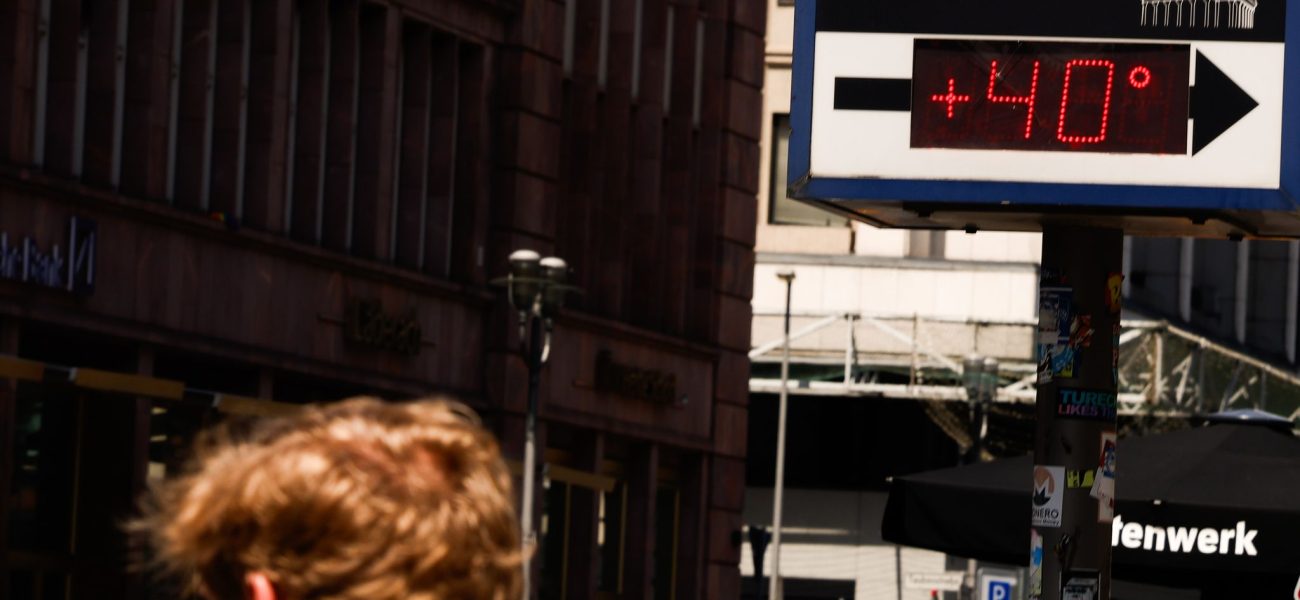
POLICY WIRE — Berlin, Germany — The unassuming clink of ice in a mid-afternoon glass, once a casual luxury, has become something more akin to a desperate prayer across Germany. For a nation synonymous with punctual efficiency and temperate climes, the recent sweltering temperatures aren’t just inconvenient; they’re a loud, inconvenient klaxon blaring from the very heart of Europe, forcing everyone to reconsider what summer even means anymore.
It wasn’t a one-off anomaly. The mercury didn’t just climb; it blew past long-standing markers, not once, but for a second straight day. You’d expect this kind of relentless heat in other latitudes—places with proper deserts and a more seasoned relationship with the sun’s full fury—but not here. Not with this kind of unyielding persistence. What we’re witnessing, it’s pretty clear, ain’t just a bad week; it’s a structural shake-up in the atmosphere itself. [QUOTE_PLACEHOLDER]
They say Europe’s gotten cozy with the sun, basking in Mediterranean fantasies. But that dream’s turning into a nightmare fast. The continent, it’s gotta be said, isn’t exactly built for this. Its infrastructure, its cultural rhythm, its very notion of what summer looks like—it’s all getting stretched thin. And frankly, stretched thin is a polite way of saying it’s failing. Public transport buckles. Air conditioners (where they even exist in homes) work overtime, if they can cope at all. It’s an economy on a slow boil.
But this isn’t just about Germany’s sweaty inhabitants. No. This particular furnace blast in the German heartland is but a fiery cough in a larger, much sicker organism. Think about it: weather systems aren’t just polite, contained little bubbles. What hits Germany today could be shaping wind currents or evaporating reservoirs a thousand miles away next week. The ripple effects, they’re very real, if not immediately visible to folks struggling to keep cool in their own living rooms.
Consider the delicate dance of the monsoon in South Asia. Folks there, particularly in countries like Pakistan, have long understood weather’s fickle temper. They’re routinely hammered by extreme heat and then often devastating floods when the monsoon arrives – or worse, devastating drought when it doesn’t. And climate models, the really serious ones from outfits like the Intergovernmental Panel on Climate Change (IPCC), project that these sorts of extreme weather events will only get more frequent and intense globally. Since 1900, the global average surface temperature has risen by about 1.1 degrees Celsius, with much of that increase occurring in recent decades, according to the IPCC. And Germany’s recent records just slap that grim data into sharp, sweating focus.
And so, while headlines focus on local heat advisories — and calls for hydration, the deeper truth is more unsettling. It’s an economic disruptor, a political football, — and a societal pressure cooker all rolled into one. The continent’s green transition—its push for renewables, its climate goals—it isn’t merely an environmental aspiration; it’s looking more and more like a desperate, pragmatic imperative for sheer survival. The alternative? Well, we’re seeing a preview, aren’t we? And it looks an awful lot like people trying to catch some Z’s on melting pavements.
📄 POLICY WIRE WHITEPAPER PUBLISHED: PAKISTAN'S NATIONAL SECURITY POLICY PRIORITIES
👉 READ BY CLICKING HEREBut the political establishment, often bogged down in bureaucratic inertia or short-term electoral cycles, struggles to respond at the scale this crisis demands. You can’t just slap a fan on climate change — and expect it to go away. It requires fundamental shifts, painful choices, — and an abandonment of comfortable, carbon-intensive habits. Which, let’s be real, ain’t an easy sell on an election poster.
What This Means
The record-shattering heat in Germany isn’t some isolated weather phenomenon; it’s a blaring symptom of a deeply unwell global climate, triggering cascading political and economic vulnerabilities. Economically, prolonged extreme heat chokes productivity. We’re talking decreased agricultural yields, strained energy grids as demand for cooling skyrockets, and measurable drops in worker efficiency across various sectors. For Europe, which has largely enjoyed a comparatively stable climate, this necessitates massive, expensive infrastructure upgrades – better urban planning, widespread adoption of cooling systems, and robust energy reserves to handle the inevitable spikes. This isn’t just about comfortable living; it’s about safeguarding GDP — and preventing societal disruption.
Politically, these events ratchet up public demand for decisive climate action, but also risk fostering a cynical weariness if solutions feel too distant or costly. It’s a tricky tightrope. But Europe isn’t alone. In Pakistan, for instance, climate vulnerability is already a constant reality, with cycles of heatwaves, floods, and droughts impacting millions and often leading to internal displacement, food insecurity, and increased public health burdens. The German heat, in its intensity, underscores a shared global problem, fostering an undeniable need for international cooperation on adaptation strategies, tech transfers for renewable energy, and – crucially – significant financial aid for those developing nations already bearing the brunt of a problem largely not of their making. We simply can’t pretend borders will contain these climate consequences forever.
You can find more discussion on this issue by looking at Europe’s Melting Point: Germany’s Scorching Reality Signals Broader Cracks, or by exploring how similar issues affect places like India’s monsoon patterns at Parched Futures: India’s Monsoon Gamble Threatens Billions Amidst Shifting Climates.