



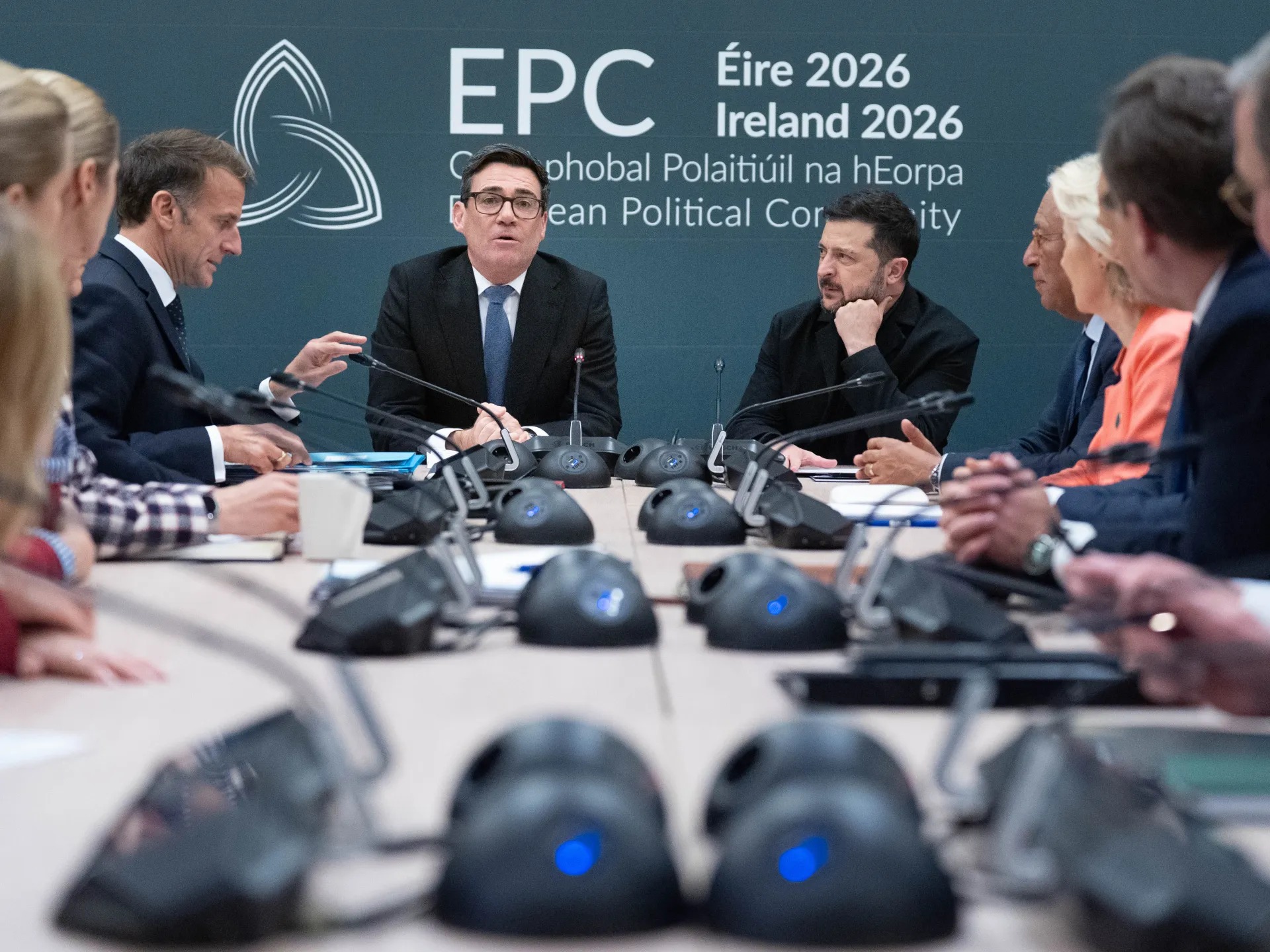
Europe Seeks Peace Envoys: Who Should Negotiate with Russia?
European leaders debate sending a chief negotiator to Moscow, weighing diplomatic strategy amid shifting alliances and ongoing security concerns.

POLICY WIRE — Europe — European policymakers are grappling with the pivotal question of who should serve as the primary liaison with Moscow, as the push to engage Russia’s leadership gains momentum.
Experts argue that European security remains unviable without a fully integrated Ukraine, while others assert that NATO possesses a clear victory concept but the EU lacks a comparable framework for Russia’s unconventional strategy.
As the United States remains entangled in its conflict with Iran, Kyiv is pressing its European allies to take a more active diplomatic role on the global stage.
However, a significant hurdle remains: selecting the individual who will hold the lead negotiating position with Vladimir Putin, a decision that has yet to yield consensus.
Absent a unified front, opinions among European leaders remain fractured, with deep-seated disagreements reflecting fundamental divergences over the continent’s future security architecture.
Critics point to inconsistent EU member state visa policies and the limited success of campaigns targeting Russian shadow fleet tankers as evidence that a common diplomatic stance is lacking.
Officials emphasize that any potential dialogue with Russia must proceed without compromising the bloc’s expanding defense capabilities.
For now, the immediate priority for European leaders is defining their negotiating agenda before formally presenting a candidate for a peace envoy role.
Reporting by Policy-Wire (PW)