


Escalation Without End: Smotrich’s Gaza Proposal and the Path of Perpetual War
In a move that has intensified international concern, Israeli Finance Minister Bezalel Smotrich has publicly called for the full re-occupation of the Gaza Strip and, if deemed necessary, the...

In a move that has intensified international concern, Israeli Finance Minister Bezalel Smotrich has publicly called for the full re-occupation of the Gaza Strip and, if deemed necessary, the imposition of direct Israeli military rule. He made these remarks in a statement posted on X, the platform formerly known as Twitter, framing such drastic measures as essential for Israel’s national security and the swift return of remaining hostages. While these comments align with Prime Minister Benjamin Netanyahu’s hardline approach, they represent a significant escalation in rhetoric and strategy amid a war that has already claimed tens of thousands of lives.
The Gaza conflict, now in its sixth month, was ignited by the surprise attack on southern Israel by Hamas and other Palestinian militant groups on October 7, 2023. That attack, which resulted in approximately 1,200 Israeli deaths and the abduction of more than 250 individuals, shocked Israel and triggered one of the most aggressive and sustained military responses in recent history. Since then, the situation has devolved into a humanitarian catastrophe for Gaza. According to the Hamas-run health ministry in Gaza, nearly 51,000 Palestinians have died, with a large portion reportedly being women and children. Though this figure is widely cited, it remains unverified by independent international bodies, and it does not differentiate between fighters and civilians.
Smotrich’s proposal arrives at a time when diplomatic channels are faltering. Efforts led by mediators from Egypt, Qatar, and the United States to negotiate a ceasefire and secure the release of remaining hostages have reached a deadlock. Currently, Israel believes that 24 hostages are still alive in Gaza, while 35 bodies of abductees are also presumed to be held there. Netanyahu, in a recent video address, reiterated that there would be no end to what he called Israel’s “war of rebirth” until Hamas is entirely destroyed, the hostages are returned, and Gaza ceases to pose any threat to Israeli citizens.
However, the suggestion of imposing military rule in Gaza carries far-reaching consequences. Historically, direct Israeli occupation of Gaza-ended in 2005 under Ariel Sharon’s disengagement plan-was marked by intense resistance and recurring cycles of violence. A reoccupation now, after nearly two decades, would likely provoke further armed conflict and deepen resentment, not only among Palestinians but also in the broader Arab and Muslim worlds. Even close allies of Israel, such as the United States, have consistently warned against such a strategy, favoring instead a post-war plan involving regional cooperation and eventual governance reforms that exclude Hamas but aim for Palestinian representation.
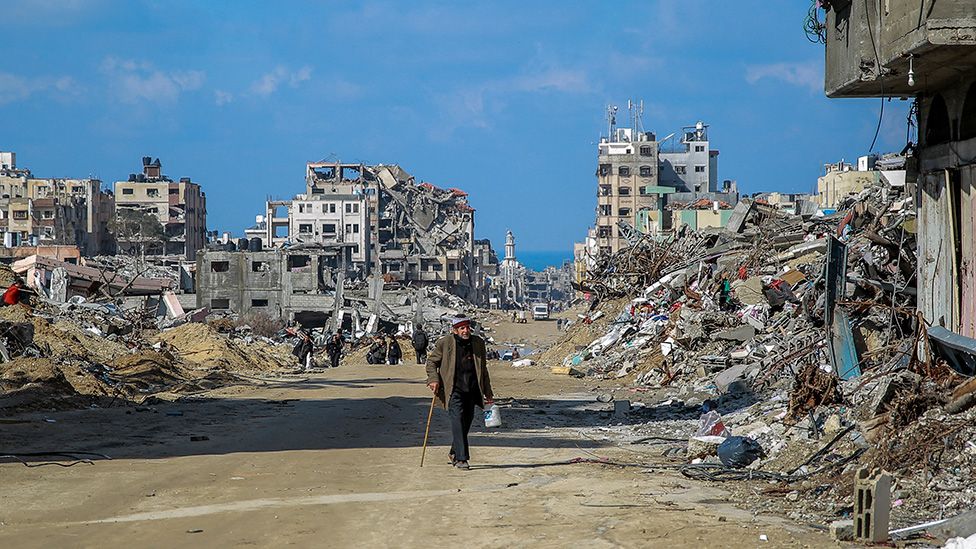
Furthermore, the proposed military control risks inflaming tensions in the occupied West Bank, Lebanon, and other fronts where Israeli forces are already on high alert. According to UN reports, over 1.7 million people in Gaza-around 75% of the population-have already been displaced, and critical infrastructure such as hospitals, schools, water facilities, and roads has been systematically destroyed. A UN official recently described the situation as “apocalyptic,” noting that continued hostilities are not only exacerbating the humanitarian crisis but also undermining any realistic prospects for long-term peace.
Smotrich, a leader of the far-right Religious Zionism party, is no stranger to incendiary remarks. His latest comments, however, reflect growing pressure from elements within the Israeli government to pursue an uncompromising approach. While Israel’s security concerns are legitimate in the context of terrorism and the protection of civilians, the long-term implications of a full military occupation could destabilize not just the Israeli-Palestinian conflict but the entire Middle East region.
On the Palestinian side, Hamas continues to maintain its operational capability despite months of sustained Israeli bombardment. Reports suggest that the group is still able to launch sporadic rocket fire and maintain tunnel networks under Gaza, indicating that a purely military solution is unlikely to eliminate its presence entirely. Moreover, civilian suffering has intensified recruitment and radicalization among younger Palestinians who have grown up under siege and occupation. Without a political resolution in sight, the conflict risks becoming a self-perpetuating cycle of violence.
The lack of distinction between combatants and civilians in casualty reports further complicates the narrative. Israel claims that Hamas uses civilians as human shields, embedding its fighters and weapons among densely populated areas. Human rights organizations, while acknowledging these claims, also stress that the proportionality of Israeli strikes often leads to catastrophic civilian tolls. The scale of destruction has led to international calls for war crimes investigations, though any legal proceedings remain distant and uncertain.
Amidst this volatile atmosphere, calls for restraint and diplomacy grow fainter. The international community appears divided-while some nations support Israel’s right to self-defense, others emphasize the need to protect civilians and revive peace negotiations. The Arab League, the European Union, and the UN have repeatedly urged for a humanitarian ceasefire, warning that further escalation will plunge the region into uncharted chaos.
Meanwhile, ordinary Palestinians in Gaza bear the brunt of the suffering. With more than 70% of homes damaged or destroyed and most hospitals rendered non-functional, survival has become a daily struggle. Famine looms in parts of northern Gaza, and children are among the worst affected. UNICEF recently reported that one in three children in Gaza is suffering from acute malnutrition, while clean drinking water remains inaccessible for much of the population.
In conclusion, the statement by Minister Bezalel Smotrich underscores a dangerous shift in Israeli policy thinking-one that leans heavily toward militarization over mediation. While the objective of eliminating terrorist threats is a legitimate one, the means of achieving it must be balanced with humanitarian obligations and long-term stability. Reoccupation of Gaza will not only fail to bring peace but is also likely to entrench hostility, radicalize future generations, and draw the region into further turmoil. It is imperative, now more than ever, that global actors revive diplomacy with urgency, guided not by vengeance but by the goal of sustainable peace and justice for all.
Author