


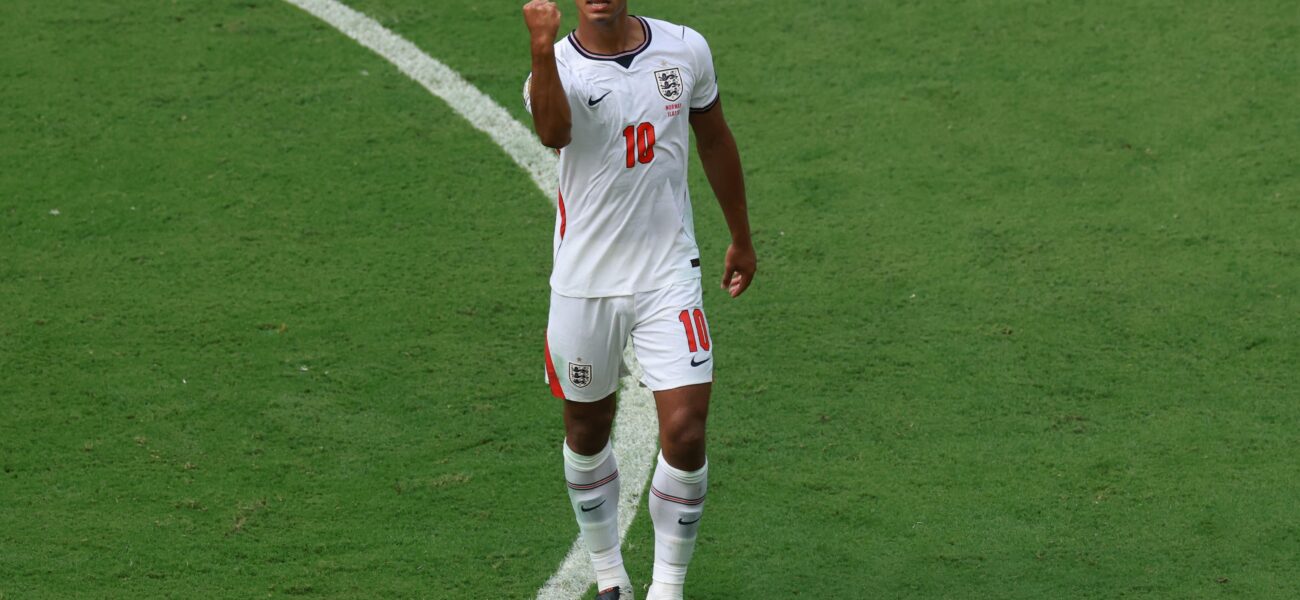
England’s Grind: World Cup Win Exposes Deeper Fault Lines Than Just the Pitch
POLICY WIRE — Miami Gardens, Florida — Call it survival. Or maybe, a particularly brutal form of pragmatism. Whatever the label, England didn’t just beat Norway in the FIFA World Cup quarterfinals...

POLICY WIRE — Miami Gardens, Florida — Call it survival. Or maybe, a particularly brutal form of pragmatism. Whatever the label, England didn’t just beat Norway in the FIFA World Cup quarterfinals last week; they wrestled them into submission, escaping a 2-1 encounter that looked less like a triumph and more like a tactical escape artist’s masterpiece. This wasn’t the silky, dominant England pundits drool about. This was raw, sweaty, almost desperate football, hinting at strains far deeper than a single game.
The English machine, perpetually burdened by expectations — they’ve only secured the World Cup once, back in ’66 — often looks less like a sleek operation and more like a collection of expensive parts still figuring out how to work together. And against Norway, a squad whose sheer willpower took them deeper than anyone outside Scandinavia would’ve wagered, that machine creaked. It’s always been about fortuity for them, hasn’t it?
“We knew this wouldn’t be easy,” England manager Thomas Tuchel conceded in the post-match melee, looking more relieved than jubilant. “The World Cup isn’t for the faint of heart. It’s about managing moments, even when you’re utterly spent. We got it done. That’s what counts, ultimately.” He wasn’t wrong. They did get it done.
But how? Through sheer force of will, yes. But also, because Norway, despite — or perhaps because of — their star striker Erling Haaland, were simply out of gas. Haaland, a phenomenon, was dragging England’s entire defensive line across the turf for what felt like forever. He was a force multiplier. But even a titan like him has limits. You saw it in his eyes, exhausted, before he was subbed off. You saw it in Jude Bellingham, too, his face a roadmap of torment.
“To bring the fight like we did, against a squad like England, to go that deep—it shows the world what Norwegian spirit looks like,” offered Norway’s Prime Minister, Jonas Gahr Støre, his tone a curious blend of pride and frustration. “Our presence on that stage alone, drawing so many new eyes to our country, that’s a win for Norway’s brand. That’s economic impact, right there. It proves that small nations can play in the big leagues.”
But when your team’s operating on fumes in Miami’s relentless summer heat (and it was 88 degrees Fahrenheit, mind you, according to NOAA historical data for July 11), errors pile up. Haaland’s substitution might’ve looked bad in hindsight. It might even be a talking point for ages. But Ståle Solbakken, Norway’s gaffer, probably spared his best player from a catastrophic mistake brought on by complete physical breakdown. That’s often a smarter play than heroics. Because football, at this level, it’s a marathon. And your top bench players are your relief pitchers, even if they’re not always top-shelf replacements.
What truly separated these sides wasn’t individual brilliance, though there was plenty of that on both sides. No, it was tactical depth—the sheer number of quality options coaches could throw onto a dying field. England had them. Bukayo Saka. Eberechi Eze. Names that could easily start for other national teams. Norway? They simply didn’t have that same bench luxury. Their midfield, so incisive earlier, withered under the sustained pressure. Martin Ødegaard, their creative maestro, often looked isolated, cut off from his striker, struggling to get a decent sniff.
And let’s talk about Harry Kane for a second. The man looked like he was auditioning for a defensive midfield role. Coach Tuchel seems to be — bless his heart — watching too much German football, making Kane drop so deep, becoming a pseudo-quarterback. While he did manage to hold defenders in tight spaces, enabling Bellingham’s critical late run and goal, you’ve got to ask: is that the optimal use for one of the world’s most prolific strikers? Sometimes, sacrifices are necessary. But they aren’t always pretty. And this one definitely wasn’t pretty. The stats won’t tell you the story of how Kane truly played that night. The game did.
What This Means
This match wasn’t just a football game; it was a microcosm of modern international relations, where even sports victories become matters of soft power and economic branding. For Norway, their unexpected deep run will translate into tangible benefits: increased tourism, heightened national pride that might even affect voter sentiment, and certainly more eyeballs on their exports and culture. It’s a compelling narrative, one that resonates across the globe. Take Pakistan, for instance. A country obsessed with cricket, yes, but increasingly drawn to global football. The narrative of an underdog — or in this case, a technically sophisticated but smaller nation — punching above its weight has a powerful pull in regions eager for positive national identity affirmation on the global stage. It’s an inspiration, a talking point across tea stalls — and digital forums, even if it doesn’t involve their own teams. The commercial opportunities for brand Norway are now substantial, having proven they can compete on the largest platforms. For England, the win, while satisfying for fans, underscored the persistent, grinding effort required to compete. It exposes the brutal truth that even established footballing powers are only ever a moment of exhaustion away from a misstep. They cling to a win, but the underlying tensions – the high cost of victory, the reliance on tactical maneuvering over pure flair – remain.
These global spectacles, you see, are more than just games. They’re grand catwalks, platforms where nations parade their best, vying for attention, for investment, for prestige. And in this brutal quarter-final, both England and Norway—one through a hard-won victory, the other through a glorious near-miss—each left their own distinct, compelling mark on that global stage.