

Empty Chairs and Empty Promises: Global Development Summit Stalls Amid Climate Crisis
As the sun seared Seville in a record-breaking heatwave this week, world leaders convened, or rather, did not arrange, for the once-a-decade United Nations Financing for Development (FFD) summit....

As the sun seared Seville in a record-breaking heatwave this week, world leaders convened, or rather, did not arrange, for the once-a-decade United Nations Financing for Development (FFD) summit. Intended to define the world’s way forward on poverty elimination, climate finance, and sustainable economic transformation, the summit instead revealed the gaping divisions in global cooperation and the reluctance of rich nations to support promises with action.
Against the background of the scorching summer heat in Spain, the Seville conference promised to be a highlight in global development policy. It turned out to be a moving symbol of do nothing. Scores of chairs were left vacant in conference centers designed to seat more than 70 state leaders. Only 50 finally showed up, and even those were fewer. Among the G7 leaders, there was only an appearance by French President Emmanuel Macron. He was accompanied by Spanish Prime Minister Pedro Sánchez, but the duo addressed half-empty rooms, with audiences featuring more reporters than actual delegates.
The no-shows did not end there. Major players from the Global South, most significantly Barbados Prime Minister Mia Mottley, a leading voice on climate action, and South African President Cyril Ramaphosa, who is currently G20 chair, bowed out at the last minute. Their absence signaled a wider feeling among developing nations that the wealthy world is not so much interested in aid, debt relief, or climate promises anymore.
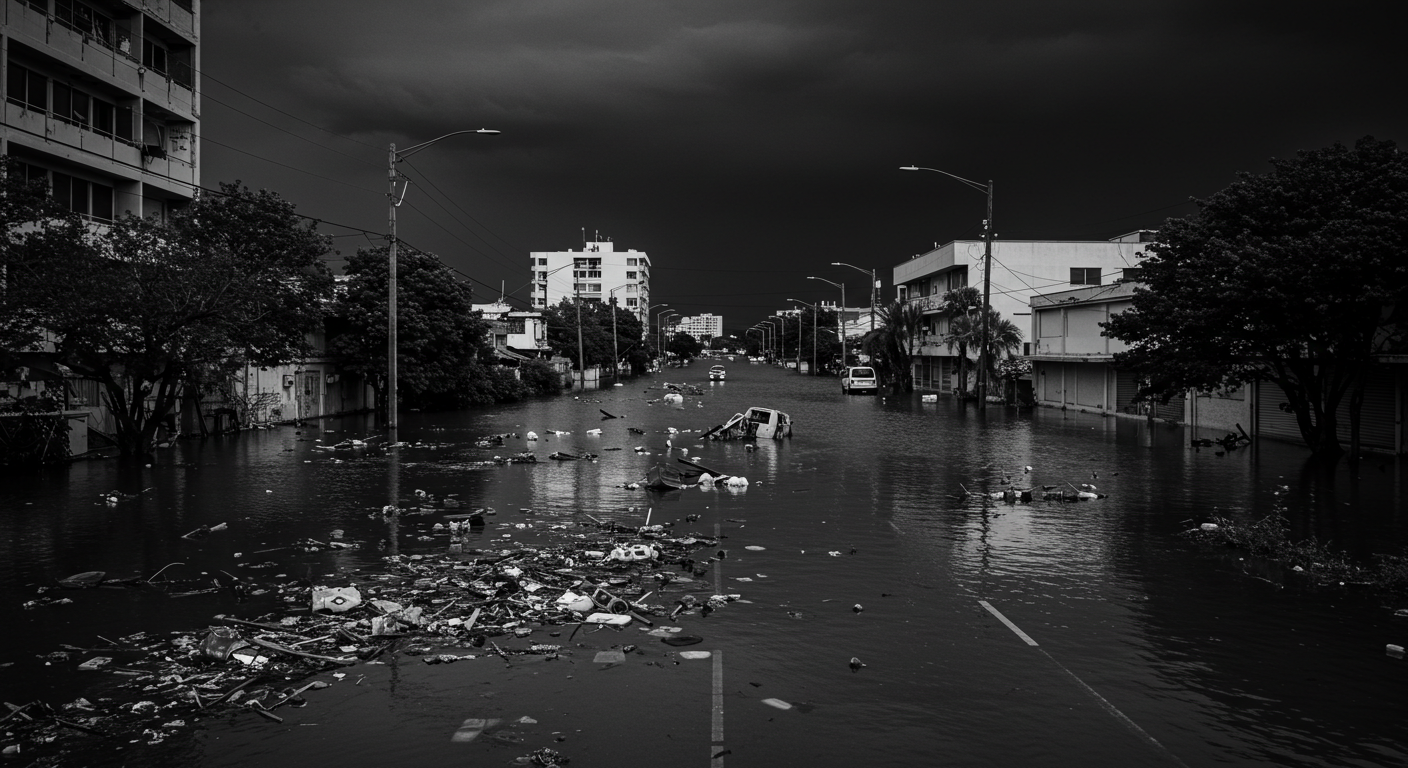
Ironically, within the corridors delegates negotiated how to fund climate resilience, outside the city seethed in sweltering heat, a rapidly more common reminder of a planet in flux. The Mediterranean, as much of the globe, is already suffering the effects of warmer temperatures, but most leaders at the summit seemed more concerned with internal crises than with mutual responsibility. In world capitals such as Washington, London, Berlin, and Paris, the development agenda for the world has receded into the background as governments redirect their budgets to military expenditures and increasing public debt. Aid is being cut back, and commitments under the Sustainable Development Goals are being stealthily abandoned.
For too many of the participants who did attend, the conference was a letdown. Civil society leaders termed the agenda “watered down,” and others complained about the absence of political momentum. The media lounge hummed less with press on development commitments and more with rumors of Spanish political corruption. “We are seeing a backsliding of many agendas that we had moved forward a few years ago,” ABONG Director Henrique Frota, of the Brazilian association of NGOs, said. “European countries are not living up to their commitment.”. they are offering less and less funds currently for any type of agenda.
The United States’ absence was particularly notable. For weeks prior to the summit, diplomats worried that Washington would try to veto any ultimate accord. Ultimately, the U.S. did not send a delegation at all. Regardless of this, the conference did have the achievement of creating a final document—a triumph in the view of UN Assistant Secretary-General Marcos Neto. “Everyone in the community was really scared to come here because one nation wasn’t coming,” Neto explained. “But the document somehow managed… I’m going home satisfied, with more hope than I thought I was going to go home with.”
That ultimate report, titled the “Seville Commitment,” did contain some important objectives. Among them were a call to triple multilateral development banks’ lending capability, a goal to increase tax-to-GDP ratios in developing nations to at least 15 percent, and a renewed push for global debt relief. There was also pressure to persuade wealthy countries to channel their “Special Drawing Rights”, a reserve currency type offered by the International Monetary Fund, into needy countries in need of liquidity. Though, in a sign of the minimal traction supporting the proposal, only Spain agreed to use 50 percent of its SDRs in that way.
Alvaro Lario, head of the International Fund for Agricultural Development, encapsulated the dilemma: “The question everyone was asking this week was how to do more with less.” With governments of many cutting back on budgets, the tone of the conference moved briskly from one of aspiration to one of restraint. How can we unite, or think outside the box, or invent new kinds of ways of really stretching it more?” he asked. For Lario and others, the issue is not an absence of need, but an absence of will.
UN Deputy Secretary-General Amina J. Mohammed recognized that the attendance had been disappointing. “The attendance was not as star-studded as hoped, and public funds are under pressure,” she conceded. But she attempted to be upbeat, referencing innovations in financing, private sector involvement, and mechanisms to enhance multilateral banks’ ability to lend more. “We just have to have the political will to leverage through these mechanisms,” she claimed.
That political commitment, however, is still out of reach. Past U.S. President Donald Trump, although not in attendance, overshadowed the gathering. His climate-denialism legacy and pulling out of multilateral pacts still defines Washington’s present position. Indeed, certain conference organizers even claimed to have rebranded climate-related programs using terminologies like “resilience” and “education” to prevent stoking political outrage from the U.S.
In spite of the somber mood, some of the attendees called for patience and perseverance. Standard Chartered Bank’s former chairman José Viñals, who is also co-chair of the FFD Business Steering Committee, stated, “Ultimately the important thing is doing it.” He emphasized that even small steps count. But perhaps that will not console the millions living with hunger, displacement, and climate-related disasters today.
The Seville summit was an opportunity when the world might have united, under the burn of the sun as well as worldwide pressure, to construct actual solutions. It instead left us with a reminder of how much we are removed from the life promised. Vacant seats in Seville reflected the hollow pledges which continue to characterize the world’s response to climate and development challenges.
Whether this summit will be remembered as a missed opportunity or a wake-up call depends on what happens next. But for now, it leaves behind a clear message: the world’s poorest cannot wait another decade for the world’s richest to show up.
Author