


Colombia Earthquake Sparks False Alaska Research Conspiracy Theory
POLICY WIRE — London, UK — A 7.4 magnitude earthquake struck western Colombia on Monday, prompting a resurgence of a conspiracy theory on social media platforms. The baseless claim falsely attributes...

POLICY WIRE — London, UK — A 7.4 magnitude earthquake struck western Colombia on Monday, prompting a resurgence of a conspiracy theory on social media platforms. The baseless claim falsely attributes the natural disaster to a research program conducted in Alaska.
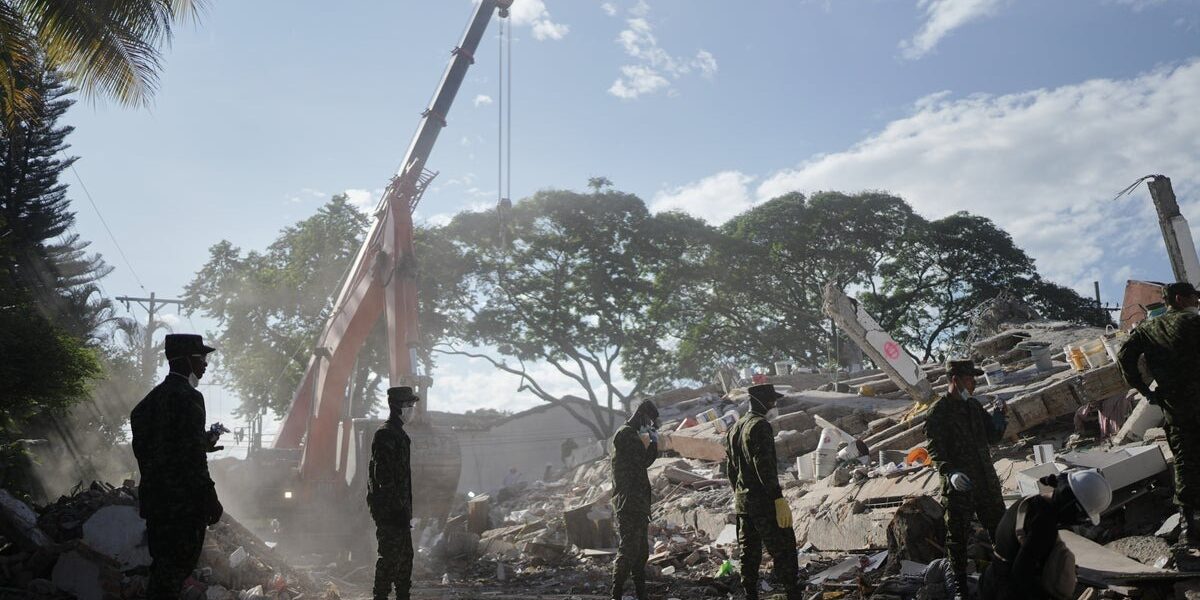
The earthquake, which occurred in the early hours, resulted in significant structural damage and several casualties. Amidst the chaos, social media users propagated the unfounded theory that the seismic event was a direct consequence of scientific activities in Alaska.
Geological experts have unequivocally dismissed these claims. “Earthquakes are natural phenomena driven by tectonic plate movements,” stated Dr. Maria Gonzalez, a seismologist at the Colombian Geological Institute. “They are not influenced by human activities, especially those occurring thousands of miles away.”
The conspiracy theory has circulated previously but gained renewed traction following the recent disaster. Social media platforms have seen a spike in posts linking the earthquake to the Alaskan research program, despite a lack of credible evidence.
Authorities in Colombia are urging the public to rely on verified information sources. “It is crucial to trust scientific explanations and avoid spreading unverified claims that can cause unnecessary panic,” said Carlos Ramirez, head of Colombia’s National Disaster Risk Management Unit.
📄 POLICY WIRE WHITEPAPER PUBLISHED: PAKISTAN’S NATIONAL SECURITY POLICY PRIORITIES
This is not the first time a natural disaster has been erroneously linked to unrelated scientific activities. Similar conspiracy theories have emerged following earthquakes, hurricanes, and other catastrophic events.
Reporting by Policy-Wire (PW)