

California Hostage Drama Ends Fatally as Police Shoot Suspect
POLICY WIRE — Oakland, California — The sun had barely kissed the skyline over suburban California when a crisis unfurled, holding an entire community—and arguably, its sense of security—captive. By...

POLICY WIRE — Oakland, California — The sun had barely kissed the skyline over suburban California when a crisis unfurled, holding an entire community—and arguably, its sense of security—captive. By the time the morning haze fully burned off, the ordeal was done. Finished with a tragic, violent finality. Authorities confirm that the individual responsible for taking 10 people hostage in a protracted standoff has been shot and killed. That’s the news straight from the police themselves.
It wasn’t a sudden burst of gunfire, no. This was hours. Long, agonizing stretches where breath caught in throats, both for those inside the cordon and for every neighbor glued to their screens, scrolling through anxious updates. The nature of the hostage-taker’s demands, or the particular grievances that escalated to such a desperate act, remains as hazy as those early morning skies. But the outcome, grisly as it’s, speaks to the high-stakes dance between law enforcement and desperate individuals, a grim tableau replayed far too often in towns across America. [QUOTE_PLACEHOLDER]
The incident began under circumstances that are still being pieced together. Local police, alongside state — and federal agencies, responded to reports of a tense situation. Initial details were scarce, trickling out in fragments as negotiators tried to defuse what was an explosive scenario. Ten human lives hung in the balance—imagine that—10 individuals, suddenly finding themselves pawns in someone else’s unraveling. One minute they’re living their lives, the next they’re part of a headline.
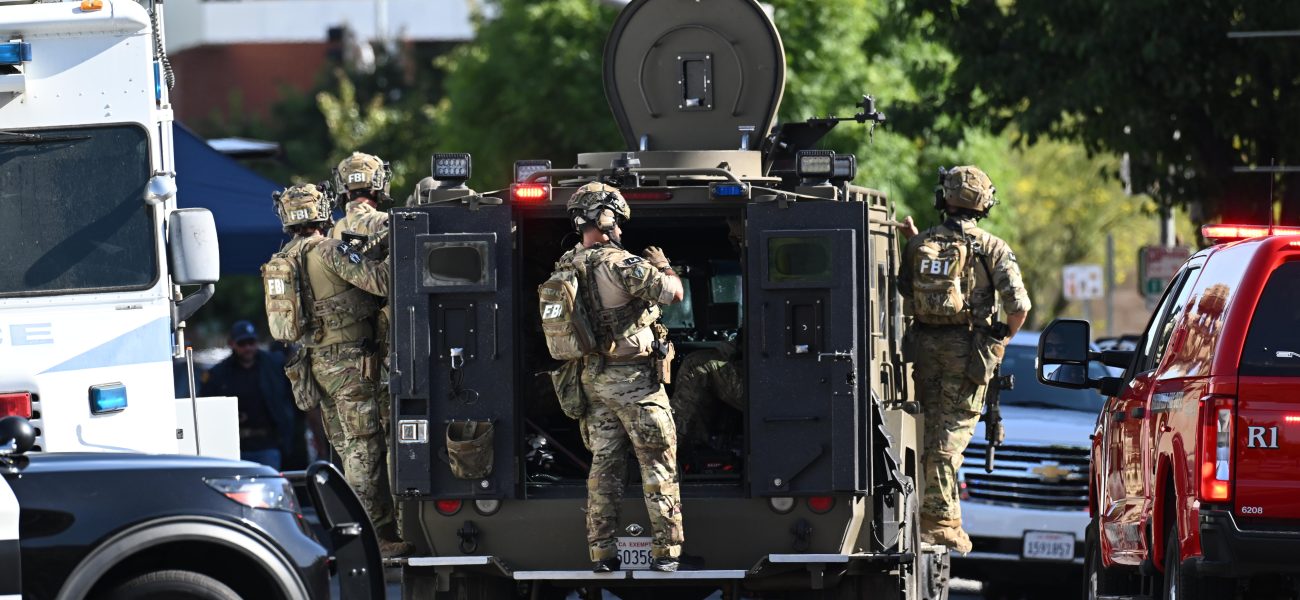
Law enforcement confirmed the individual who took 10 people hostage in California standoff has been shot and killed, police say. The announcement, delivered with the stark neutrality typical of such operations, masks the frantic decision-making that surely transpired behind the scenes. SWAT teams, crisis negotiators, tactical units — all working on a razor’s edge. Their mission, on one hand, to ensure the safety of the hostages. On the other, to neutralize a threat, often at a terrible cost.
This isn’t an isolated event, you know. Far from it. The pattern of armed standoffs leading to lethal force is a disturbing, albeit predictable, facet of contemporary policing. Federal agency data shows that over 1,000 individuals are killed annually by law enforcement officers across the United States. Many of these encounters begin as perceived threats, escalating rapidly. You’ve got to ask: are we doing enough to intervene earlier, to prevent situations from reaching this critical, often fatal, juncture? And yes, these are conversations that resonate in every corner of the world, even in places like Pakistan, where communities grapple with their own unique challenges regarding public safety and the sometimes-harsh realities of maintaining order. They aren’t strangers to sudden, dramatic violence.
Local politicians have begun issuing standard statements, extending thoughts and prayers—as they always do—to the affected families and praising the bravery of the responding officers. But, there’s little comfort in routine words when real lives are irrevocably altered. The investigation, we’re told, is just beginning. Body camera footage, witness accounts, forensic evidence; it will all be scrutinized. It has to be. But the damage, the raw fear of those 10 people, — and the finality of a life taken, remains etched.
📄 POLICY WIRE WHITEPAPER PUBLISHED: PAKISTAN'S NATIONAL SECURITY POLICY PRIORITIES
👉 READ BY CLICKING HEREIt raises difficult questions about mental health support, about gun control—of course it does—and about the resources available to communities wrestling with societal fragmentation. When a situation spirals to such an extreme, what went wrong long before the first sirens wailed?
What This Means
This incident, culminating in the death of a suspect who took 10 people hostage, isn’t just a localized tragedy. It signals broader political — and economic ripples. Politically, it re-energizes debates around police de-escalation training and the threshold for using lethal force, especially when civilian lives are at risk. We’ll likely see calls from advocacy groups for greater transparency in these types of incidents, perhaps even pushes for independent oversight panels, amplifying pressure on state and federal lawmakers. Budget discussions around law enforcement allocations—specifically for mental health intervention units—will almost certainly follow. Economically, while not immediately quantifiable, such high-profile events can ripple through local property values, tourism (if the location is tourist-dependent), and even public health resources as the community grapples with collective trauma. The sheer manpower, resources, and subsequent legal costs for an incident of this magnitude aren’t insignificant, impacting local budgets already strained. And for communities with large diaspora populations, such events can fuel anxieties about security and justice systems in their adoptive homes, a sentiment often mirrored in headlines reaching places like Karachi or Lahore, where state power and individual liberties are viewed through a distinct, often skeptical, lens. These kinds of outcomes — however unavoidable some may argue — always complicate the fragile trust between citizens and the state. That’s just how it works.
And so, another chapter closes on a day filled with terror. But the story, the underlying causes, and the urgent conversations it sparks—those are far from over. They’re just beginning to truly simmer, to come to a head, again.