


Brazilian Football’s Pre-World Cup Pause: Stakes High for Bragantino and Inter in Série A Showdown
POLICY WIRE — São Paulo, Brazil — Sunday mornings in Bragança Paulista won’t always echo with the distinct rumble of an 11:00 a.m. kickoff. But this upcoming Sunday, May 31, 2026, holds a...

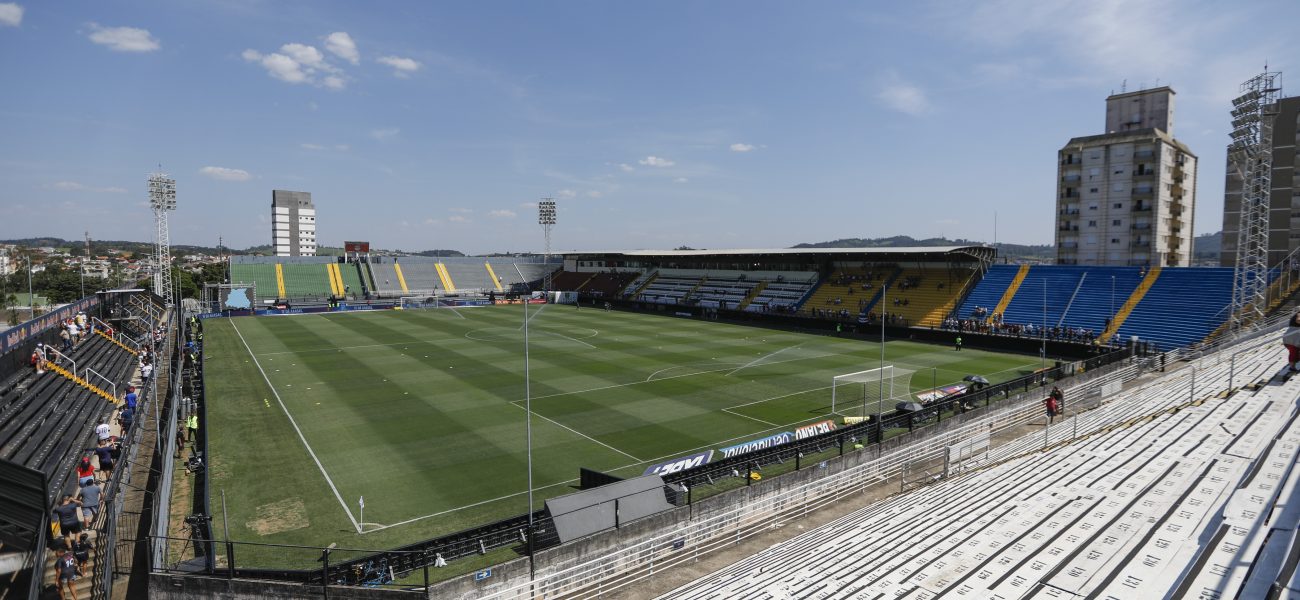
POLICY WIRE — São Paulo, Brazil — Sunday mornings in Bragança Paulista won’t always echo with the distinct rumble of an 11:00 a.m. kickoff. But this upcoming Sunday, May 31, 2026, holds a peculiar weight, marking not just another round in Brazil’s sprawling Série A but a quiet economic and sporting comma before the inevitable, all-consuming clamor of the 2026 World Cup.
It’s the 18th round of the Brazilian Championship, and at Estádio Cícero de Souza Marques, Red Bull Bragantino squares off against Internacional. Two clubs, a single league, yet divergent ambitions – it’s a narrative as old as competition itself, etched into the league table with stark, unforgiving numbers. [QUOTE_PLACEHOLDER]
For Bragantino, a team infused with corporate vigor and a modern ethos, the arithmetic is simple, perhaps even optimistic: securing a place in the G-6, the Libertadores qualification zone. They sit currently in 5th place with 26 points in the Brazilian Championship standings. Three straight wins, including a recent triumph in the Copa Sudamericana, tell you everything you need to know about their momentum. It’s a good run; a club on the make, consolidating its position.
Internacional, though, well, they’re telling a different story entirely. Trapped in 13th place with just 21 points, their gaze isn’t fixed on continental glory. It’s squarely on the rear-view mirror, desperately seeking distance from that looming, financially devastating relegation zone. A 2-0 defeat to Vitória in the previous round? That sort of sting lingers. They need to turn this thing around, quickly. Securing three points, they reckon, — and heading into the World Cup break with more peace of mind.
The coaching battle offers its own tactical chess match. Under Vagner Mancini, Bragantino, or as some call them, Massa Bruta, wants to make the most of their good form and home support. That’s just good business. Their opponents, Colorado, led by Paulo Pezzolano, view this match as crucial to turning things around. But don’t they all? Brazilian football’s emotional volatility is a legend in itself, as profound as the continent’s rivers, but here, the stakes feel sharper, less abstract.
The squad sheets tell their own tales of fortune — and misfortune. Red Bull Bragantino’s bench seems like a casualty ward for unavailable players: Rodriguinho and Henry Mosquera are out on suspension. Andres Hurtado? He’s been called up—that’s a mixed blessing, isn’t it? Then the injury list unfurls: Davi Gomes, Ryan, Matheus Fernandes, Eduardo, Fabinho. And then you have Fabrício — and Guzman Rodríguez recovering fitness, presumably with varying degrees of optimism. It’s quite the shuffle. Andres Hurtado, Gabriel, Isidro Pitta, Juninho Capixaba, and Matheus Fernandes are each just one booking away from suspension; an unnerving Sword of Damocles for any coach.
Internacional’s situation isn’t quite so dire, but it’s still complicated. The big news? Carbonero, the Colombian winger, is back from suspension, sliding into the spot of the sent-off Bernabei. It’s one door closing, another opening. And up front, the narrative gets juicier: Alerrandro faces his former club, hoping the famous former player rule comes into play. You know, that unspoken pact where ex-players somehow always manage to haunt their old stomping grounds. Unavailable for Inter: Bernabei on suspension, Rochet and Félix Torres called up, and Alan Rodríguez on the injured list. Bruno Gomes, Matheus Bahia, — and head coach Paulo Pezzolano also hover on the brink of suspension.
And let’s not forget the arbiters of this particular drama: the referees. Alex Gomes Stefano from Rio de Janeiro holds the whistle as the Main Referee, flanked by Thiago Henrique Neto Correa Farinha and Luiz Claudio Regazone. The Fourth Official is Léo Simão Holanda from Ceará, with Pablo Ramon Goncalves Pinheiro of Rio Grande do Norte handling the VAR duties. It’s a bureaucracy of precision, meant to impose order on a beautifully chaotic game.
What This Means
Beyond the goals and glory, this particular match – indeed, this entire phase of the Brazilian Championship – highlights the deeply intertwined economic and cultural currents shaping global sport. The forthcoming 2026 World Cup break isn’t just a calendar event; it’s a profound market disruption. Leagues, particularly those outside Europe’s behemoth circuits, face a critical decision: consolidate domestic positions or suffer international irrelevance before the global spotlight swivels. Teams like Red Bull Bragantino, backed by an international beverage giant, benefit from structured long-term investments, making such pauses more manageable. They operate on a business model designed for resilience — and global brand penetration.
But the story of Internacional—the fight against relegation, the urgent scramble for points—is a common narrative across many footballing nations, not just in Brazil but far beyond. Consider leagues in the Muslim world, from the Saudi Professional League to Pakistan’s nascent football scene. There, too, clubs grapple with funding, player retention, and the sheer unpredictability of results in a globally connected, yet locally constrained, economic environment. When international tournaments interrupt domestic calendars, it creates ripple effects on sponsorships, broadcast rights, and fan engagement that can significantly impact a club’s financial health. For smaller clubs, or those lacking deep-pocketed sponsors, an enforced break, especially one as long as a World Cup, means a potential revenue vacuum and the real threat of talent drain. It’s why the stakes for Bragantino’s G-6 ambitions and Inter’s relegation fears aren’t just about football; they’re about fiscal survival and the delicate balance of a globalized sports economy that punishes failure and richly rewards success. Policy Wire’s internal analysis estimates the average annual revenue loss for mid-tier Brazilian Série A clubs during a two-month World Cup break, depending on their league position, could range from 15-25% of their total matchday and local sponsorship income.
These Brazilian clubs aren’t merely kicking a ball around; they’re operating within a global financial ecosystem, constantly balancing immediate results against long-term stability. The tension is palpable. And that, really, is the biggest game afoot.