

Don’t Toss That Jack-O’-Lantern: Why Your Halloween Pumpkin Is a Nutritional Powerhouse
Stop wasting pumpkins after Halloween. Discover how to turn your jack-o'-lantern into a sustainable resource through cooking, animal feed, or composting.

POLICY WIRE — Washington, USA — Every year, more than a billion pounds, or 454 million kilograms, of pumpkins end up in United States landfills following the Halloween season, according to data from the Department of Energy. However, experts suggest these festive gourds offer a sustainable alternative to waste if repurposed for consumption, animal feed, or composting.
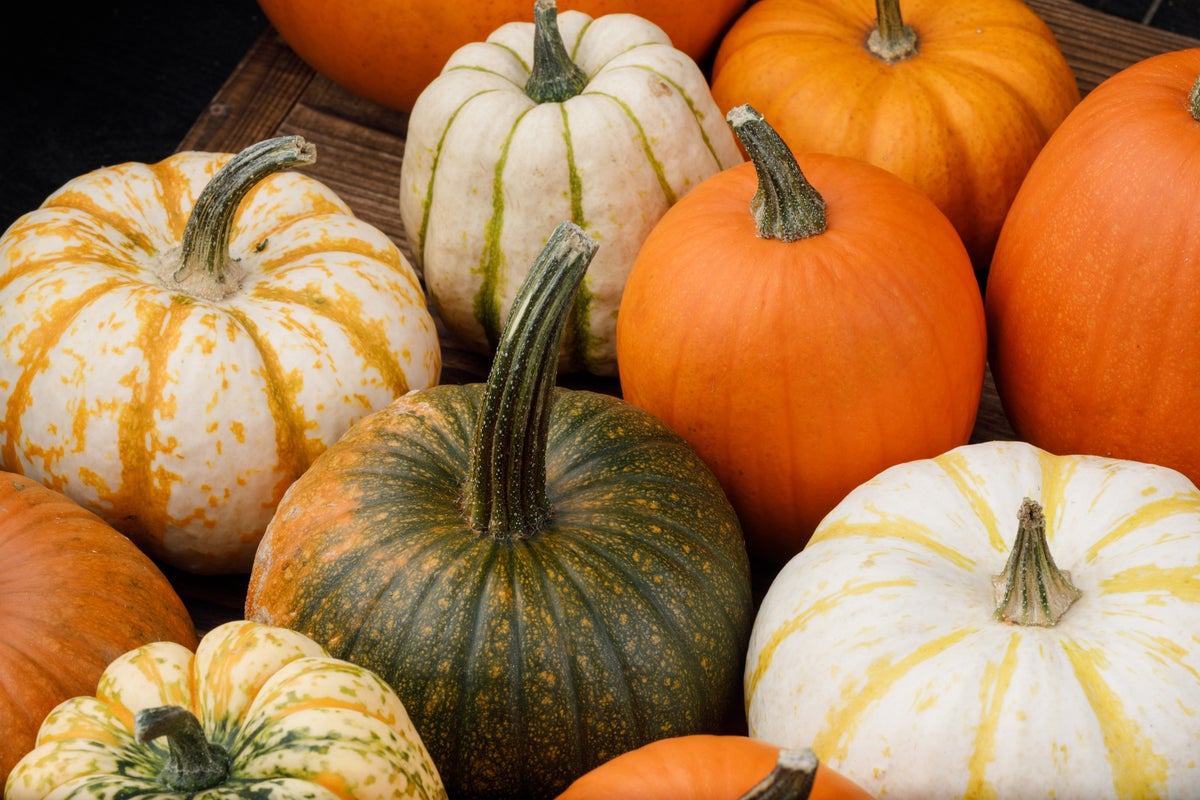
Every portion of a pumpkin is edible, meaning those carving jack-o’-lanterns should avoid discarding the skin or innards. Chef Carleigh Bodrug suggests cubing the flesh found between the outer skin and the pulp for use in stews and soups. Additionally, pumpkin chunks can be frozen for later, or pureed and added to pet food for a nutritional boost.
The seeds are a nutritional gold mine, according to Bodrug, as they are packed with protein, magnesium, zinc and healthy fats, a finding supported by a 2022 study in the journal Plants. While carving pumpkins have a milder flavor and stringier texture than canned varieties, they remain suitable for baking if seasoned appropriately.
For those who prefer not to eat their pumpkins, donating them to local farms for animal feed is a viable option. It is essential to collect edible parts before the pumpkin is painted, waxed, or left outdoors for extended periods, as non-food-safe decorations and environmental bacteria can render them inedible.
When consumption is not an option, composting serves as an effective way to divert pumpkins from methane-emitting landfills. Dante Sclafani, compost coordinator at Queens County Farm in New York, notes that a significant portion of landfill waste consists of items that could have been composted, and reducing this volume helps curb weekly garbage output.
To compost effectively, remove all non-organic decorations like plastic, glitter, or candles, and chop the pumpkin into 1-inch, or 2.5-centimeter, pieces. Sclafani advises maintaining a balance of dry organic materials—such as wood chips, straw, or shredded newspaper—to prevent odors, as pumpkins contain high water content.
The Environmental Protection Agency recommends a three-to-one ratio of greens, such as food scraps, to browns, like dry leaves or cardboard, to accelerate decomposition. Even pumpkins that have sat on a porch for weeks are suitable for the pile, as mold and mushiness can actually assist the breakdown process.
Laura Graney, education director at Queens County Farm, emphasizes that composting organic material prevents the creation of methane gas. Furthermore, she notes that the autumn season provides an ideal opportunity to teach children about environmental stewardship, helping them feel empowered to make a tangible difference.
Reporting by Policy-Wire (PW)