
Dodgers’ 2026 Reign: More Than Batting Averages, A Global Power Play
POLICY WIRE — Los Angeles, California — Forget, for a moment, the dizzying stats. Park the slugging percentages — and the earned run averages. The Los Angeles Dodgers’ seemingly indomitable run...

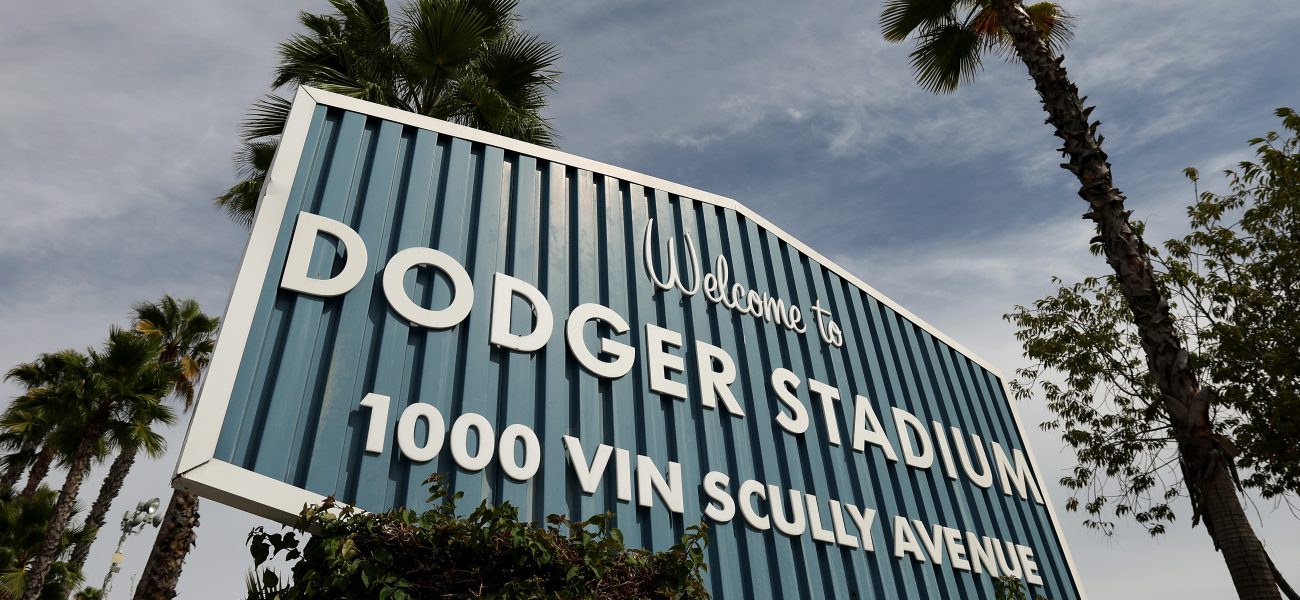
POLICY WIRE — Los Angeles, California — Forget, for a moment, the dizzying stats. Park the slugging percentages — and the earned run averages. The Los Angeles Dodgers’ seemingly indomitable run through the 2026 Major League Baseball season wasn’t just a masterclass in athletic prowess; it was, quietly, a significant diplomatic and economic coup for a city always—always—looking to polish its global brand. This isn’t merely about wins and losses; it’s about a vast urban organism, a sprawling Pacific Rim hub, using its sports triumphs as currency.
It began as it always does, with a hopeful opening day. By early June, the boys in blue had carved out a jaw-dropping 38-22 record. Imagine that. March, April, May: a sustained, punishing demonstration of dominance that left competitors like the Phillies, D-backs, and even the Angels staring at the dust. But it isn’t just about the cheers echoing through Chavez Ravine. No, it’s far grander. It’s about what a perennial contender—especially one nestled in one of the world’s most recognizable cities—does for its municipal reputation. It’s an unspoken declaration that L.A. isn’t just a place where dreams are manufactured in Hollywood, but where high-stakes victories are reliably etched onto a scoreboard.
And yes, the scoreboard reflected some pretty tight calls. A nail-biting 5-4 win against the Marlins on April 27, or that terse 2-1 victory over the Mets in mid-April. These aren’t just footnotes for the die-hard fan. They’re pulse points, micro-events that collectively build a narrative of resilience, a characteristic any city, let alone one eyeing international investment, craves for its image. Think of the trickle-down effect: tourist dollars, international media mentions, a buzz that vibrates well beyond the confines of the dugout. It’s an undeniable, albeit often overlooked, aspect of civic vitality. Just ask anyone who’s ever run a city struggling with identity or, worse, a string of losing teams.
“This team, their consistent excellence, it’s not just for the sports section. It’s front-page news for economic development,” asserted L.A. City Council President Nithya Raman, speaking recently about the wider impact of local sporting success. “They’re a calling card. We don’t just build bridges; we win championships, and that sends a message of capability and dynamism worldwide.” She’s not wrong. Because global perception matters. But how many of us truly connect those dots? That’s the real puzzle.
The numbers don’t lie, either. While specific figures for a 2026 season are still being crunched, we know the baseline. A 2022 report by the National Association of Sports Commissions estimated that direct spending by spectators at professional sports events generated upwards of $100 billion annually in local economic impact across major US cities. The Dodgers’ run, with its packed stadiums and amplified media presence, would only inflate L.A.’s slice of that considerable pie, feeding ancillary businesses from hotels to hawker stalls. But that’s just the transactional bit, the money you can count.
What’s harder to quantify, yet equally potent, is the subtle influence on soft power. A winning Dodgers team, replete with multi-ethnic, often globally sourced talent, speaks to L.A.’s welcoming, cosmopolitan character. It reinforces the image of America—its culture, its enterprise, its opportunities—in ways traditional diplomacy can’t. You see the highlights in Karachi, watch the recaps in Riyadh. It sparks conversations, makes people consider Los Angeles not just a distant, glamorous destination but a vibrant, thriving ecosystem. Imagine a young sports fan in Lahore seeing Pakistani or South Asian heritage players celebrated on this global stage; it’s a subtle but powerful connection. It’s what happens when sports transcend the playing field, really. You get geopolitical echoes.
📄 POLICY WIRE WHITEPAPER PUBLISHED: PAKISTAN'S NATIONAL SECURITY POLICY PRIORITIES
👉 READ BY CLICKING HEREAnd sometimes, this phenomenon extends to actual global commerce. Many of the team’s ownership stakes, corporate sponsorships, — and fan bases reach far beyond U.S. borders, knitting a complex web of international connections. This isn’t just America’s pastime anymore; it’s a global spectacle, particularly from a city that functions as a gateway to Asia. “A dominant L.A. team makes the world look at our entire West Coast corridor differently,” said Dr. Farid Ahmed, a professor of international relations at USC. “It encourages cultural exchange, boosts tourism, and quite frankly, strengthens our international appeal in a manner far more effective than any government-led advertising campaign. It’s brand California, exported with flair — and winning swagger.” He gets it. The uniform, the team, it’s all part of the larger L.A. brand.
Their momentum in 2026, though still far from concluded, suggested a team destined for October glory. They aren’t just playing games; they’re manufacturing prestige, solidifying Los Angeles’s status as a capital of culture, commerce, and indeed, championship-caliber competition. And that, folks, is an altogether different ballgame.
What This Means
The Dodgers’ blistering 2026 campaign extends far beyond the emotional highs — and lows for loyal fans. Economically, their sustained success translates directly into a verifiable surge in local spending, enhancing tax revenues, supporting small businesses, and boosting the region’s hospitality sector. Politically, a winning franchise burnishes Los Angeles’s image on the global stage, positioning it as a dynamic, successful metropolitan area capable of excellence not just in entertainment, but in large-scale professional ventures too. This soft power dividend, though intangible, aids in attracting international investment, promoting tourism, and fostering goodwill—particularly important for a city like L.A. with vast international ties. The Pakistan/South Asia/Muslim world connection comes into play through global media consumption, showing that successful U.S. cultural exports—like major league baseball—can subtly influence perceptions and create points of commonality across diverse populations. It’s a quiet form of cultural diplomacy, played out one home run at a time.