

Diplomatic Breakthrough: Young Envoys Push Trans-Himalayan Corridor Forward
POLICY WIRE — Islamabad, Pakistan — Few would’ve bet on an unanticipated eruption for the Trans-Himalayan Economic Corridor (THEC), an ambitious infrastructure and trade initiative long beset...

POLICY WIRE — Islamabad, Pakistan — Few would’ve bet on an unanticipated eruption for the Trans-Himalayan Economic Corridor (THEC), an ambitious infrastructure and trade initiative long beset by geopolitical wrangling and funding skepticism. Yet, against those odds, a new generation of diplomats has infused an unforeseen vim into the stalled project, nailing down pivotal accords this week that analysts say could redefine regional cooperation.
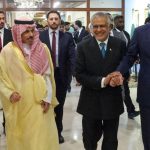
Behind the headlines, it’s a story of two rising stars: Deputy Secretary of State Lena Petrova from the United States and Pakistan’s State Minister for Foreign Affairs, Dr. Tariq Khan. Both, relatively new to their high-stakes portfolios, they’ve reportedly navigated months of intricate negotiations to clinch vital commitments and operational frameworks.
And that. Truly. Their combined efforts climaxed in what sources familiar with the talks are calling a watershed moment, moving the THEC from theoretical blueprint to tangible progress. A strategic win, you might say, giving the initiative a pivotal edge in its long-term viability.
For years, the multi-billion-dollar project, designed to link Central Asia with South Asian ports, atrophied beneath the burden of competing interests and a perceived lack of political will. Infrastructure development along mountainous borders, cross-border customs protocols, and divergent national investment priorities seemed insurmountable obstacles—like a Gordian knot no one seemed willing (or able) to unpick.
But the persistent diplomacy of Petrova, known for her sharp analytical mind, — and Dr. Khan, a pragmatic voice within Pakistan’s foreign policy establishment, seems to have deciphered the enigma. They’ve focused on smaller, achievable milestones, building trust where it had previously eroded.
“This initiative isn’t just about roads and pipelines; it’s about forging genuine partnerships and building a more stable, prosperous future for millions,” Secretary of State Antony Blinken told reporters via video conference from Washington. “We’ve seen immense dedication from our partners, and I commend Deputy Secretary Petrova and her counterparts for their tireless work in Geneva and beyond.”
Let’s be clear: the stakes are stratospheric. The region, particularly Pakistan and its immediate neighbors, cries out for economic uplift and integration to counter extremist narratives and provide opportunities for a burgeoning youth population. THEC serves as a prospective dynamo for that growth—a long-dormant geyser of prosperity waiting to erupt.
Dr. Khan, speaking earlier today in Islamabad, reiterated the conviction, an understandable one, if you ask me. “This corridor isn’t a zero-sum game; it’s a bridge to shared prosperity for all nations involved,” Pakistan’s Foreign Minister Jalaluddin Mansoor quoted Khan as saying. “The commitment we’ve seen from all parties, particularly the steadfast resolve of State Minister Khan, ensures this isn’t merely an aspirational project but a concrete plan for regional connectivity.”
The agreement includes nailing down an estimated $60 billion in initial pledges for key infrastructure segments and digital integration projects, a figure that dwarfs previous commitments. Dr. Khan himself is credited with personally securing nearly $27 billion of that through direct negotiations with regional partners and development banks, a career-defining achievement by any measure, frankly a bit shocking given the past inertia.
The World Bank’s recent assessment of regional infrastructure projects highlighted that for every 10% increase in regional trade, poverty rates in landlocked Central Asian nations could drop by 0.5% to 1.5% within five years. That’s a consequential divergence from the current trajectory.
What This Means
This breakthrough signals a strategic recalibration (a welcome one, many would argue) in how major powers are approaching complex regional development. It moves away from unilateral mega-projects to a more collaborative, multi-stakeholder model. For Washington, it’s a demonstration of soft power, reinforcing alliances and countering competing influences without direct confrontation.
For Pakistan, it’s a pivotal diplomatic triumph and an economic lifeline, positioning the nation as a vital hub in a burgeoning regional trade network. The successful execution of THEC could fortify the country’s long-term stability and lure in substantial foreign direct investment—perhaps even reconfiguring its financial topography for generations to come, a notion that feels almost utopian in this part of the world. It also reinforces the idea that pragmatic, results-oriented diplomacy can still cut through entrenched divisions in a highly polarized world.
Challenges? Oh, they persist. Definitely. Securing initial pledges is one thing; actual disbursement — and project implementation are another. Bureaucracy, corruption, — and unforeseen geopolitical shifts could still derail progress. But who honestly thought it would be smooth sailing? For now, though, the path forward for the Trans-Himalayan Economic Corridor looks clearer than it has in years, largely thanks to the strategic finesse of its newest champions.