

Australia’s Rare Earths: New Global Tech Power Shift
Australia's rare earth discovery in Lort River challenges global monopolies, reshaping tech & defense supply chains. Explore this critical geopolitical shift.

POLICY WIRE — Perth, Australia — It’s a silent, subterranean struggle, far removed from the headlines that dominate our newsfeeds. But beneath the red dust of Australia’s western reaches, a new front just opened in the global contest for the unseen ingredients that power modern life. We’re talking about rare earths, those unassuming elements everyone wants but nobody quite understands. And now, out there at Lort River, something’s really shaking.
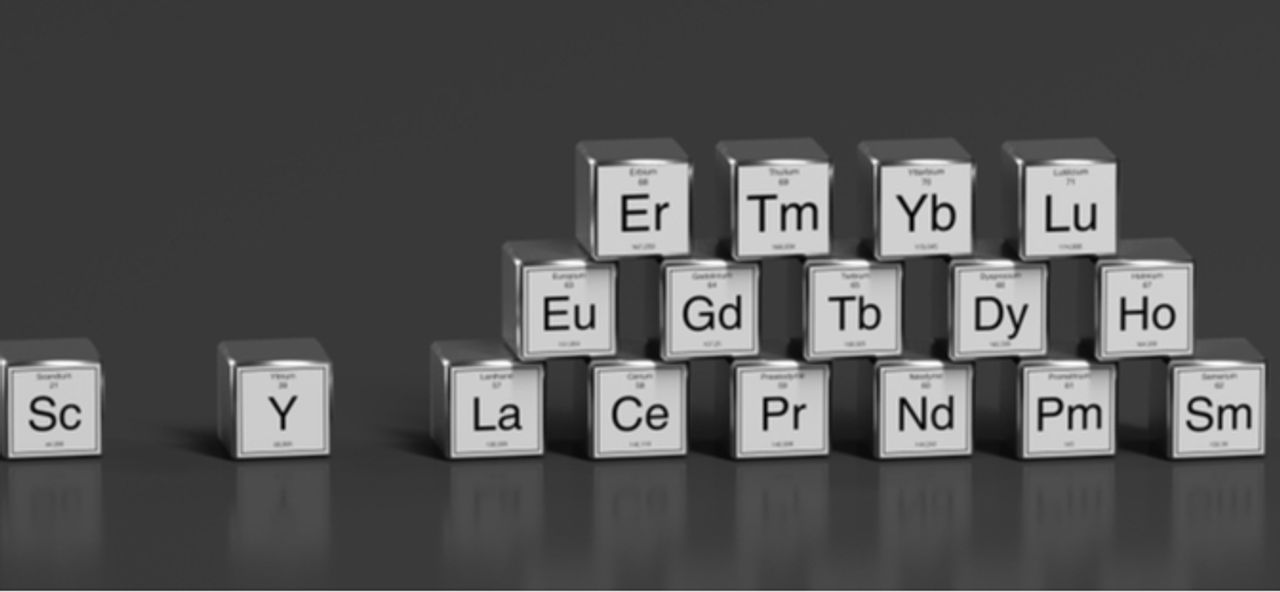
See, for years, the world’s dependence on a single major player for these minerals—think phones, EVs, missile guidance—has been a geopolitical tightrope walk. It’s a strategic vulnerability many nations, particularly Western ones, have been trying to wriggle out of. So when Terrain Minerals, a company not exactly a household name, quietly announced a “broad rare earth system” discovery in that ancient Australian dirt, well, ears perked up. They found ionic clay, the good stuff, rich in elements like dysprosium and terbium, the very same ones currently bottlenecking defense industries and clean energy ambitions alike. It’s not just a rock sample; it’s a tremor in the foundations of international supply chains.
This isn’t some quaint geological curiosity. It’s a loud declaration, even if whispered from a small outfit. Because every megaton of neodymium here, every gram of yttrium there, directly challenges an existing monopoly. It’s about diversifying the table. It’s about not putting all your electric car batteries, or your stealth fighter jets, into one geographical basket.
But the scramble isn’t just Western countries looking for independence. Because look east—across the Arabian Sea, down through the Gulf. Nations there are watching too. They’ve got burgeoning tech ambitions, huge investments in renewables (Saudi Arabia, UAE), and, quite frankly, a desire to sit at a global table that doesn’t always cater to the established powers. Diversified rare earth supplies mean less leverage for others over their own emerging industries.
But building a rare earth industry from scratch? It’s not just digging it up. Processing is messy. And it’s expensive. Still, you’ve gotta start somewhere.
“We’ve been living with the uneasy truth that critical industries hinge on an incredibly narrow supply funnel,” said Dr. Lena Khan, an economic geologist specializing in strategic resources at Karachi University’s Department of Earth Sciences. “A discovery like this—it isn’t just an Australian boon. It represents a potential pathway for market realignment that even Pakistan, with its own modest but under-explored mineral potential, would be keenly observing. Supply chain resilience, it’s not a luxury; it’s economic survival for many emerging economies.” Dr. Khan knows her rocks, but she also understands the bigger game.
And what’s Canberra saying? “This discovery reinforces Australia’s standing as a serious, dependable player in the critical minerals space,” stated the Hon. Mark Harrison, Australia’s Minister for Resources, during a rare public comment. He didn’t sound like he was joking. “We aren’t just selling dirt; we’re selling security — and an alternative future. We’re putting a significant marker down, one that should make some established players a little uncomfortable, and bring much-needed stability to our allies.” That’s a bold claim, especially when 60% of the world’s rare earth processing capacity is currently concentrated in one nation, according to the U.S. Geological Survey (USGS).
📄 POLICY WIRE WHITEPAPER PUBLISHED: PAKISTAN'S NATIONAL SECURITY POLICY PRIORITIES
👉 READ BY CLICKING HEREThis isn’t about dethroning anyone tomorrow. It’s about slowly chipping away, offering options. It’s a marathon, not a sprint. But make no mistake, the gun has already fired, — and everybody’s off to the races.
What This Means
This Lort River find, while early-stage, isn’t just another mineral deposit; it’s a geopolitical tremor with significant economic repercussions. Firstly, it strengthens Australia’s ambition to become a Western rare earths hub, a direct challenge to China’s longstanding dominance. Expect more investment and political capital poured into developing downstream processing capabilities in Australia, which remains a key bottleneck.
Secondly, it impacts global technology — and defense supply chains. Companies in the U.S., Europe, — and even Japan are desperate to de-risk their reliance on single-source suppliers. A new, reliable Western source offers a crucial alternative. But it’s also a double-edged sword; increased supply could eventually put downward pressure on prices, affecting current high-cost producers. Still, the strategic value outweighs purely economic considerations for now. This means fewer sleepless nights for military strategists worried about sourcing magnets for their next-gen weapons and better sleep for renewable energy sector CEOs.
And for regions like South Asia — and the broader Muslim world? This adds another layer of complexity. Nations like India, for example, are making significant plays in high-tech manufacturing — and defense. New Delhi’s Weaponized Ascent: India Courts Gulf Billions in Defense Industry Play isn’t just about selling; it’s about acquiring technology and inputs. Stable, diversified rare earth supplies are absolutely essential for these ambitions. It also potentially opens up opportunities for Gulf nations to invest in these alternative supply chains, leveraging their deep pockets for strategic influence. We’re witnessing the slow, methodical redrawing of economic maps, one dusty patch of ground at a time.