

Deschamps’ Delicate Dance: French XI Signals a Sharper Geopolitical Play
POLICY WIRE — Paris, France — The quiet rustle of cleats on turf might seem far removed from the clamor of diplomatic parlays, but for nations like France, the line blurs. Beneath the veneer of a...

POLICY WIRE — Paris, France — The quiet rustle of cleats on turf might seem far removed from the clamor of diplomatic parlays, but for nations like France, the line blurs. Beneath the veneer of a mundane international friendly against Northern Ireland, whispers in Parisian political circles suggest something far more substantial is afoot. It’s not merely about who scores goals; it’s about who represents a nation grappling with its identity, its youth, and its projection of power in a fiercely competitive world. Tonight’s probable starting eleven, purportedly a near-replica of the side set to kick off France’s FIFA World Cup campaign against Senegal, offers a telling glimpse into France’s strategic calculus—both on and off the pitch.
Didier Deschamps, the pragmatic coach, has openly declared this upcoming match isn’t some wild experiment. He’s putting his cards on the table, and those cards are young, electric, and distinctly French, in all its contemporary complexity. Gone are the days when an experimental lineup could be brushed aside as mere practice. Every player, every position, becomes a symbol. This isn’t just football; it’s a high-stakes performance review of national cohesion.
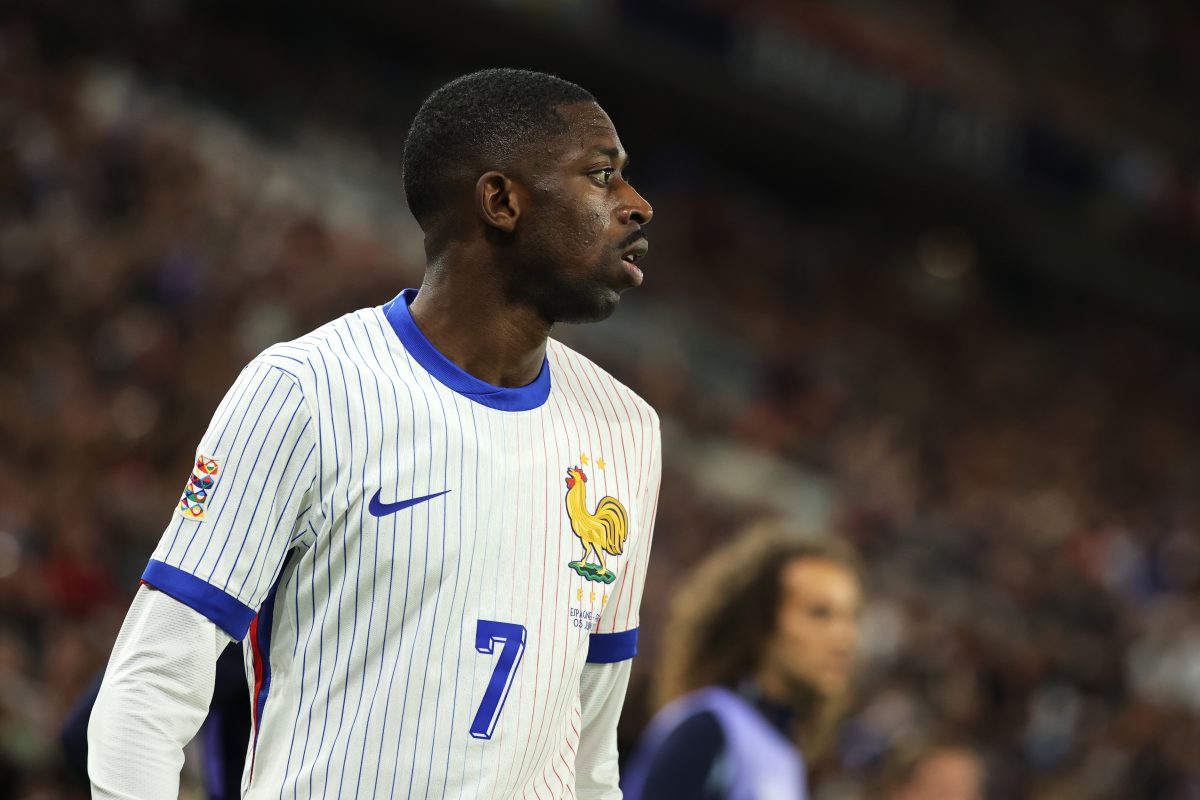
Take Désiré Doué, tipped to ignite the left flank. He’s one of a constellation of dazzling, often incredibly young, talents who seem to emerge from France’s robust development system as if from an endless factory line. His potential inclusion alongside the established dynamism of Ousmane Dembélé and Kylian Mbappé speaks volumes about a nation’s calculated investment in its rising stars—and its willingness to throw them into the deep end. Because it’s not enough to be good; you have to be ready, fast.
“This team is more than just athletes,” explained Amélie Oudéa-Castéra, France’s Minister for Sport and Olympic and Paralympic Games, speaking to Policy Wire from her office. “They’re ambassadors. Their diversity, their grit—it embodies the best of modern France. When they succeed, the nation feels a lift, and our message of openness and excellence resonates globally, from Jakarta to Dakar.” She gets it. But not everyone agrees it’s a seamless message.
Indeed, a recent survey by IFOP indicates that 72% of French citizens view the national football team as the strongest symbol of national unity, transcending political divides. But some observers caution against over-romanticizing this narrative. “It’s a beautiful sentiment, of course, that football can unite,” commented Dr. Khalid Mehmood, a prominent South Asian political analyst. “But it also spotlights inherent tensions. Who gets selected, who plays, how results are perceived—it all filters through a highly charged political lens in a deeply connected world. For fans in Pakistan or Indonesia, French success might inspire, but it also prompts questions about integration and belonging in Europe itself.” And those questions aren’t just for politicians.
The return of William Saliba, overcoming a back issue, provides a sense of steel at the back, reassuring—it’s said—not just fans but also strategists who view the squad as a direct metaphor for national robustness. He’s solid, dependable, a bedrock, which is precisely what any global power wants its image to be. But the true game is played far beyond the 90 minutes. This team, teeming with heritage from former French territories and beyond, inadvertently becomes a living, breathing advertisement—or indeed, a point of friction—for France’s complex relationships with regions across the globe, not least the Muslim world. The players themselves often navigate these expectations with a nuanced grace politicians can only dream of.
The relentless hunt for such talent, pushing teenagers to global stages, has its own complex brutal logic. It’s a system designed to secure dominance, year after year. The potential starting lineup—Mike Maignan; Théo Hernandez, Dayot Upamecano, William Saliba, Jules Koundé; Adrien Rabiot, Aurélien Tchouaméni; Désiré Doué, Michael Olise, Ousmane Dembélé; Kylian Mbappé—is a collection of young, high-value assets. They represent not just athletic prowess but an economic force, generating billions in transfer fees and sponsorships, bolstering France’s brand currency. They’re, essentially, cultural exports of the highest order.
What This Means
This isn’t merely about setting up for a World Cup. This is about national projection. Deschamps, knowingly or not, acts as a cultural diplomat, assembling a mosaic of modern French identity that gets beamed into living rooms globally. The composition of this team, heavily reliant on individuals with diverse backgrounds, particularly those with familial ties to the African continent and, by extension, parts of the Muslim world, subtly counters—or at least complicates—prevailing narratives of isolationism sometimes espoused by nationalist factions within France. The triumph of such a team becomes a narrative of successful integration — and opportunity.
Economically, the team’s success fuels national pride and, more tangibly, a tourism boom and an uptick in soft power that aids diplomatic efforts. A victorious France on the field amplifies its voice in policy debates, subtly reinforcing its standing as a formidable player, whether in Brussels, Washington, or Beijing. It helps France to assert itself in the ongoing global reckoning of power. The stakes, it turns out, are always higher than just a football match. They’re about how France sees itself, — and how the world sees France.