


Delhi, Tokyo Seek Stealthier Seas, signaling Ditching Washington’s Old Rules
POLICY WIRE — New Delhi, India — The silent dispatches arriving from allied capitals aren’t just about strategy—they’re about trust. Not trust in friends, but trust in Uncle Sam. You see,...

POLICY WIRE — New Delhi, India — The silent dispatches arriving from allied capitals aren’t just about strategy—they’re about trust. Not trust in friends, but trust in Uncle Sam. You see, the big guns in Tokyo and Delhi are quietly but definitively redrawing their strategic blueprints, forging a defense pact that seems less about strengthening a decades-old alliance and more about hedging against a superpower perceived as, well, distracted. It’s a pragmatic pivot, really—a recognition that waiting for Washington to stabilize its political whims isn’t a strategy, it’s a liability.
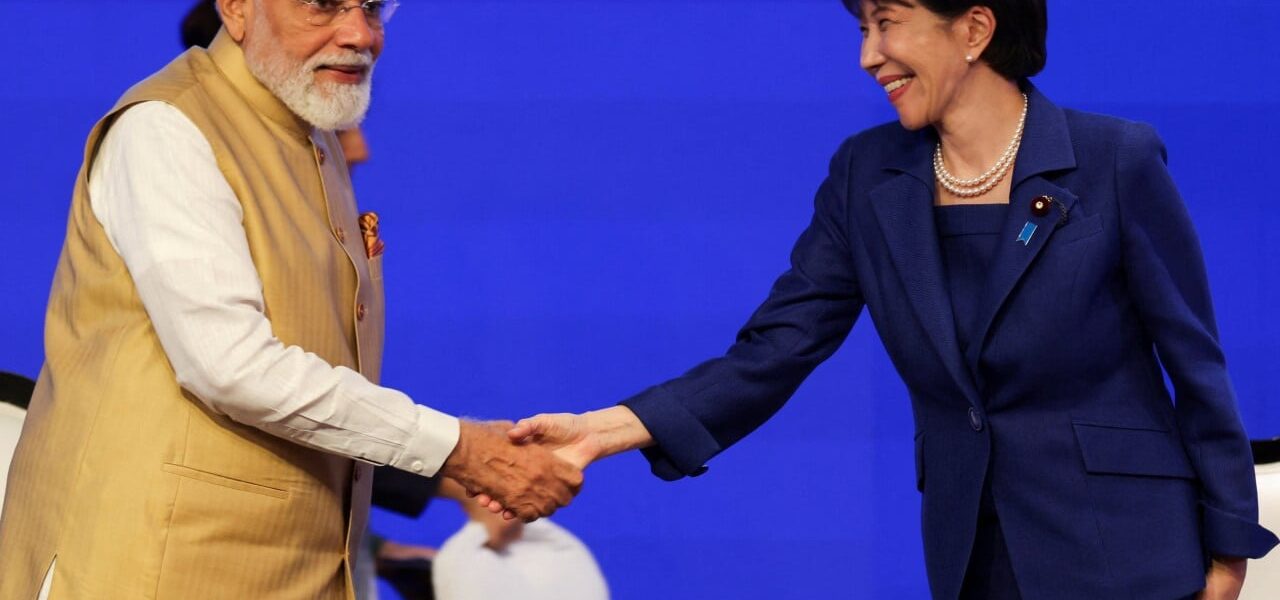
It’s official: India — and Japan are joining forces on some rather tricky tech. The immediate focus? Stealth. That’s right, they’re developing gadgets that make Indian warships harder to detect, a sort of invisible cloak for the high seas. This isn’t just about outfitting a few ships; it’s a profound strategic alignment, something analysts say takes their defence partnership to a new level. It certainly hints at growing unease in both capitals over how far they can rely on Washington. When your most important allies start collaborating on top-tier military secrets to secure their own waters, you’ve got to ask yourself: what exactly are they anticipating? [QUOTE_PLACEHOLDER]
The technical specifics, as far as they trickle down to us mortals, involve outfitting these behemoths with Japan’s Unified Complex Radio Antenna (Unicorn) system. This isn’t just some fancy antenna array, either. It’s designed to condense multiple antennas into a single, compact structure, which, as the boffins will tell you, significantly lowers a vessel’s radar profile by combining multiple antennas into a single, compact structure and reducing the exposed… parts, making a warship whisper across the radar instead of shouting its presence. For nations looking to project power or, more accurately, defend their sprawling maritime interests without openly antagonizing a giant like China, this stuff is gold.
And let’s be frank, this initiative is dripping with implicit messages. It isn’t just about having cooler, harder-to-hit ships. It’s about sovereignty, regional autonomy, and, frankly, self-reliance. Think about it: two major Asian powers, each with their own complex relationships with Beijing and their own long-standing, if occasionally strained, ties to Washington, decide to get into the military hardware game together. It’s a vote of no confidence in the old guard’s ability—or willingness—to always protect their corner of the world. Because who wants to be caught flat-footed?
The geopolitical tremors from this kind of cooperation aren’t lost on India’s neighbors, particularly in Pakistan. Anytime India upgrades its military capabilities, particularly naval ones that influence the vast Arabian Sea and the broader Indian Ocean—strategic waterways that border key maritime chokepoints and trade routes—there’s an immediate, almost instinctive recalibration across the Line of Control. This stealth technology isn’t just a defensive measure; it significantly enhances India’s operational reach and survivability in disputed waters. You don’t get ‘stealth’ just to hide; you get it to operate with greater impunity.
📄 POLICY WIRE WHITEPAPER PUBLISHED: PAKISTAN'S NATIONAL SECURITY POLICY PRIORITIES
👉 READ BY CLICKING HEREIt’s important to grasp the scale, too. India, for one, isn’t playing small stakes. Its defense budget reportedly swelled by 13% last fiscal year, reaching nearly $74 billion, according to data from the Stockholm International Peace Research Institute (SIPRI). That’s not pocket change; it’s a serious commitment to becoming a regional hegemon, backed by an industrial base capable of absorbing and integrating advanced technology from partners like Japan. But it’s also a reflection of a world where self-reliance is becoming less a preference — and more a stark necessity. But what does this really signify for the players on the global chessboard?
What This Means
This stealth cooperation isn’t merely an incremental upgrade for either navy; it represents a hardening of a new multipolar reality in Asia. Politically, it signals a deeper entrenchment of India-Japan strategic interests, creating a formidable counter-balance in the Indo-Pacific—one not entirely reliant on American patronage. It’s a calculated de-risking strategy, acknowledging that the U.S.’s domestic distractions and shifting foreign policy postures could leave allies vulnerable. The move gives Beijing pause, complicating its own naval projection ambitions by introducing a harder-to-track adversary, while simultaneously offering New Delhi an edge in the Arabian Sea against historical rivals. The subtle message? These nations aren’t just buying off-the-shelf anymore; they’re co-designing their security, proving they can engineer their own future without being dictated by Washington’s evolving strategic priorities. And for the United States, it’s a clear indication that former client states aren’t content just to follow—they’re innovating their own defense frameworks, maybe even leading some. It shifts the geopolitical tectonic plates. And frankly, it’s about time some of them started thinking that way, given how erratic global leadership’s been. It definitely feels like they’re looking for solutions closer to home, creating new dependencies and new alliances that don’t hinge on distant promises.
Economically, this sort of tech transfer — and joint development paves the way for deeper industrial collaboration. Japan’s highly advanced manufacturing and research capabilities combined with India’s burgeoning defense industrial base mean potentially lucrative opportunities for both sides, reducing reliance on traditional Western defense contractors. It also signifies a confidence in each other’s intellectual property and manufacturing integrity, something usually reserved for the closest of allies. That means more homegrown innovation, more jobs, and a stronger technological base for both countries—a tangible win in an increasingly competitive global economy. Plus, it diversifies supply chains, always a smart play when you’re talking about national security. What’s not to like?