


Decline of Walk-Ons in College Football: A Fading Opportunity for Unheralded Talents
POLICY WIRE — Stillwater, Oklahoma — Carson Kolb, Oklahoma State’s tight end, is living his dream of playing Division I football, a journey that took an unexpected turn due to the evolving...

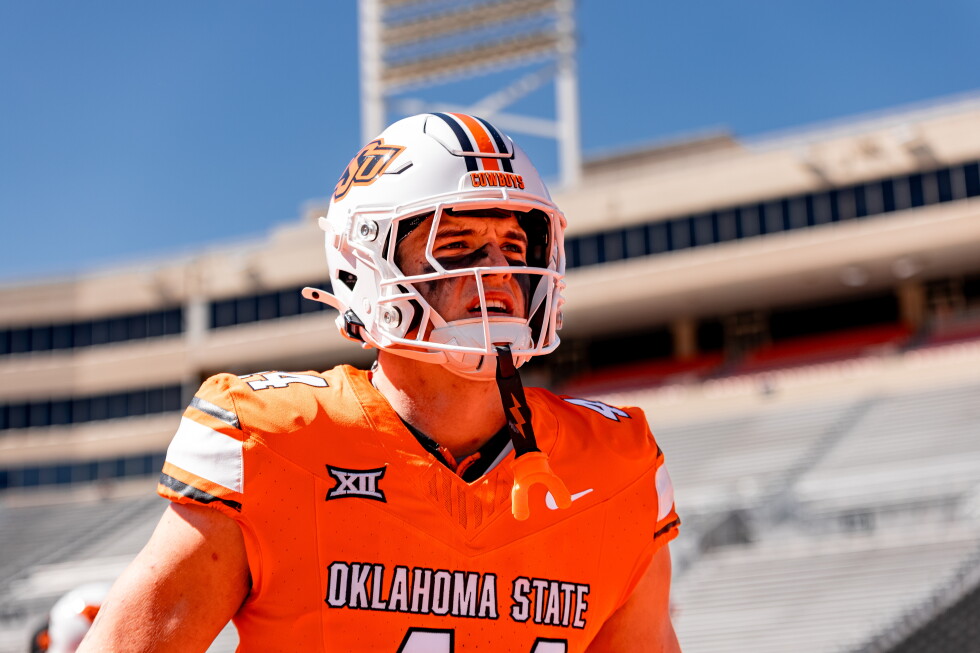
POLICY WIRE — Stillwater, Oklahoma — Carson Kolb, Oklahoma State’s tight end, is living his dream of playing Division I football, a journey that took an unexpected turn due to the evolving landscape of college athletics.
Kolb, who initially walked on at Oregon State in 2024, transitioned to Oklahoma State after two years, where his performance earned him a scholarship. He is now poised to start as the Cowboys’ tight end in their season opener against Tulsa.
The path for walk-ons like Kolb is narrowing, a consequence of the $2.8 billion House settlement that imposes roster limits on Bowl Subdivision schools. These limits, approaching the 105-man cap, are reducing the number of walk-ons.
Despite this trend, walk-ons remain a cherished tradition, dating back to the 1960s in programs like Nebraska. Some schools, particularly those with limited resources, continue to offer opportunities to players who may not receive full scholarships.
At Iowa State, coach Jimmy Rogers, a former walk-on himself, expresses concern over the decreasing opportunities for developmental players. Aiden Flora, a standout punt returner and now a scholarship running back, is a the potential of walk-ons.
Kolb and Flora’s stories highlight the significance of walk-ons in college football, offering a gateway for players who might otherwise be overlooked. As roster limits tighten, the future of these opportunities remains uncertain.
Reporting by Policy-Wire (PW)