
Crimson Skies Over Crimea: Tourist Paradise or Strategic Battlefield?
POLICY WIRE — Washington, D.C. — Another Sunday, another summer shattered. Not by some rogue wave on the Black Sea coast, but by the shriek of inbound missiles, cutting short what little semblance of...

POLICY WIRE — Washington, D.C. — Another Sunday, another summer shattered. Not by some rogue wave on the Black Sea coast, but by the shriek of inbound missiles, cutting short what little semblance of peace folks clung to in occupied Crimea. Russia’s quick to blame, pointing fingers straight at Kyiv, claiming Ukrainian strikes over Sevastopol ripped through civilian life. They’re calling it terrorism. Kyiv? They’re simply calling it home.
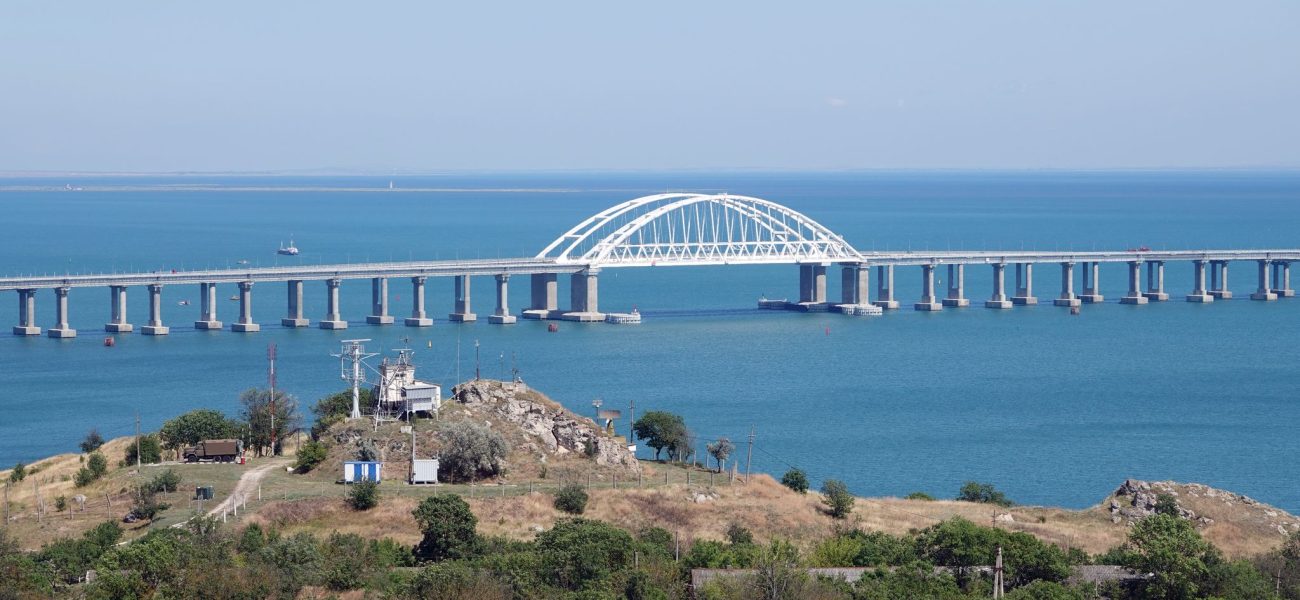
It’s a grim dance, isn’t it? One side counts bodies, the other counts territory. For months, Moscow has tried to present Crimea as a bastion of calm, a reintegrated prize. But Sunday’s fiery explosions and tragic reports of casualties, including children—according to Kremlin-affiliated media—are just the latest, brutal reminder: there’s no quiet corner in this grinding conflict, especially not on a peninsula Moscow illegally snatched a decade ago. It’s a strategic choke point, — and everybody knows it. What happens there, matters everywhere.
Ukrainian defense sources, ever cryptic but undeniably pointed, rarely confirm direct responsibility for specific strikes on Russian-held territory or even Crimea. But they don’t exactly deny the implicit message either. When questioned about the Sevastopol incident, a senior Ukrainian military official, speaking on condition of anonymity, put it bluntly: “Every piece of Ukrainian land, every occupied territory, is a legitimate target for liberation. We’re not targeting civilians; we’re targeting occupiers and their infrastructure.” And that’s been Kyiv’s unwavering line, come what may.
Because ultimately, this isn’t just about explosions — and casualties. It’s about perception. It’s about whose narrative holds water—or, perhaps more accurately, whose holds territory. Moscow’s claim of terrorism quickly met a wave of condemnation from its state-controlled media, playing into their established storyline of a barbaric Ukraine supported by Western aggression. “This isn’t warfare, it’s wanton disregard for human life,” fumed Sergey Aksyonov, the Russian-appointed head of Crimea, via his official Telegram channel. “Such actions only harden our resolve.”
But the world, especially those in the global south, views these statements through a different lens. Countries like Pakistan, for instance, accustomed to navigating complex geopolitical currents—often between rival powers—understand all too well the performative aspects of international condemnation. While they’ve remained largely neutral in the direct conflict, the downstream effects, like disruptions to the global food supply via Black Sea shipping routes, hit them hard. We’re talking about inflation, about ordinary families struggling to put food on the table, issues that resonate far more than the intricate claims and counterclaims over a disputed peninsula. This protracted conflict isn’t some distant problem; it’s making life demonstrably tougher for hundreds of millions of people who had nothing to do with its origins. The geopolitical chessboard, you see, is vast and complicated, far beyond the immediate battle lines.
The weapons, often American-supplied ATACMS missiles, aren’t new to this fight. But their use, particularly when civilians are reportedly in the vicinity, turns up the diplomatic heat. The UN Human Rights Office has documented over 10,000 confirmed civilian deaths in Ukraine since Russia’s full-scale invasion—a stark, sobering figure that casts a long shadow over any blame game. Each incident, however geographically specific, folds back into this larger, agonizing tally, deepening the wells of grief and resentment. And it pushes the diplomatic needle, making reconciliation seem like an impossible dream.
What This Means
This incident—regardless of its direct military impact—carries substantial political and strategic weight. For Russia, it punctures the carefully crafted illusion that Crimea is secure — and firmly under Moscow’s control. It fuels domestic discontent, even if muted by state propaganda, about the costs of a prolonged war. The Kremlin will use it to galvanize support for its “special military operation,” portraying Ukraine as a ruthless aggressor. But outside its borders, this narrative mostly plays to an already convinced audience.
For Ukraine, it’s a statement: no part of its sovereign territory is beyond reach. It reminds Moscow that the war won’t be confined to the front lines, — and that occupation comes with a steep price. Economically, while Crimea isn’t a primary tourism draw right now, incidents like this further degrade any remaining vestiges of its holiday appeal, deepening its integration into Russia’s subsidized war economy. Globally, it keeps energy prices volatile, rattles shipping markets, and forces a continued diplomatic tightrope walk for nations trying to maintain stability in a world seemingly fracturing at the seams. Because these aren’t just strikes; they’re echoes of a war that refuses to be contained.