


The Old Guard’s Grip: Cricket’s Battle for the Future Echoes Wider Subcontinent Struggles
POLICY WIRE — Mumbai, India — India’s national sport, cricket, offers more than just athletic prowess; it’s often a potent, if somewhat opaque, mirror reflecting the broader policy...

POLICY WIRE — Mumbai, India — India’s national sport, cricket, offers more than just athletic prowess; it’s often a potent, if somewhat opaque, mirror reflecting the broader policy debates within the country’s hierarchical structures. So when a former national player publicly questions the wisdom of India’s cricket selectors, the noise reverberates far beyond the hallowed grounds of a stadium. This week, the veteran commentator — and former international, Sanjay Manjrekar, didn’t just question a team selection. He lobbed a full-toss at the system itself, sparking conversations that transcend run rates and wicket tallies, touching on meritocracy, opportunity, and the enduring power of reputation over nascent talent.
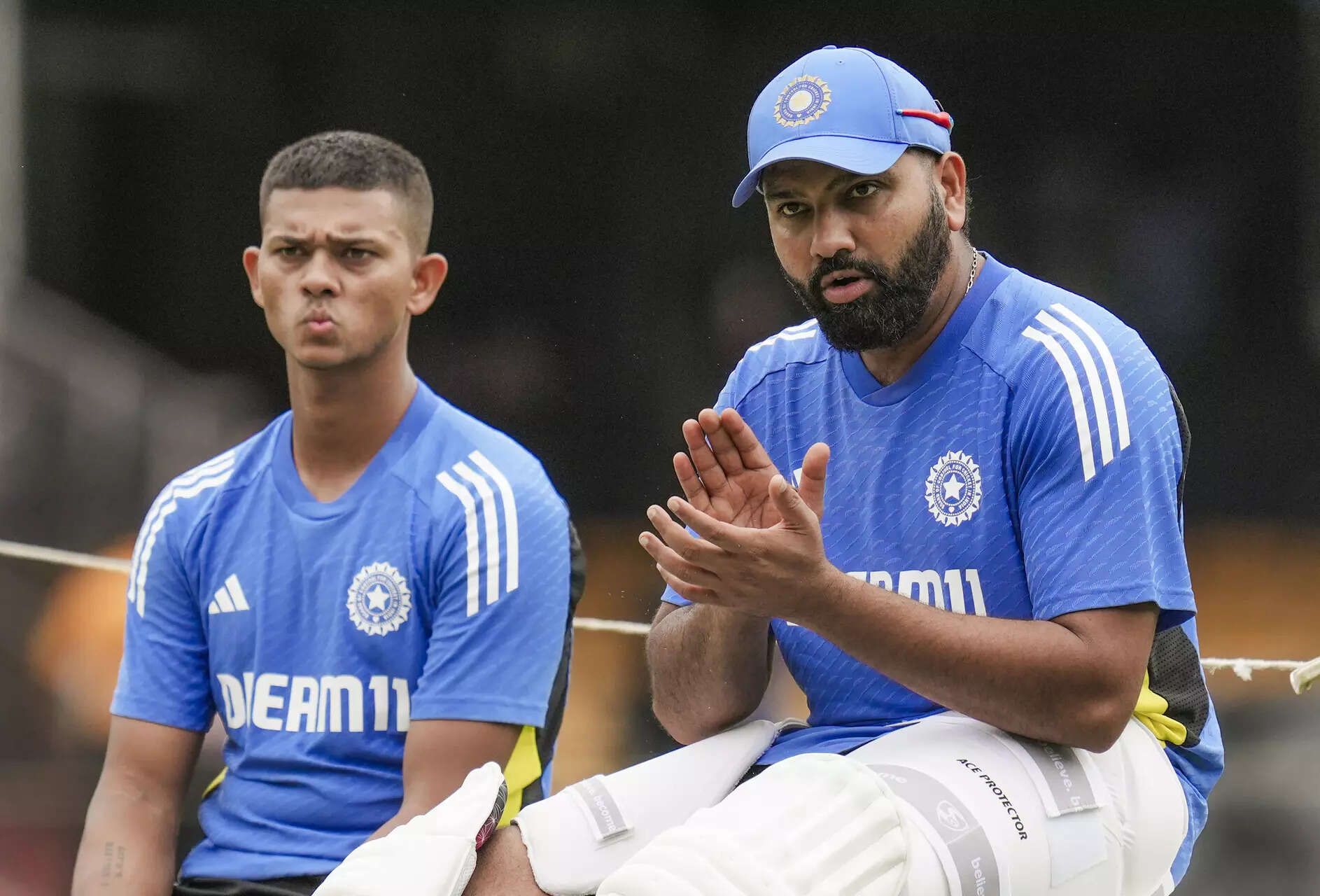
It’s less about a single series against Afghanistan, really. It’s about the perennial struggle to usher in the new while gently nudging aside the old. The Board of Control for Cricket in India’s (BCCI) decision to retain captain Rohit Sharma in the One Day International squad—despite concerns about his current form and fitness—while sidelining two of India’s most promising young batters, Yashasvi Jaiswal and Sai Sudharsan, has illuminated a pattern many in the subcontinent recognize. We’ve seen this script play out across various sectors—from politics to business—where the established guard often holds sway, even when fresh, dynamic options present themselves. But it’s an arrangement that frequently leaves a nation wondering if it’s truly building for tomorrow or just preserving yesterday.
Manjrekar, never one to mince words, made his views known with characteristic bluntness on Sportstar’s Insight Edge podcast. He questioned the very logic. For him, the exclusion of Jaiswal — and Sudharsan wasn’t just a misstep; it was an abandonment of foresight. He highlighted compelling statistical arguments: “Sai Sudharsan has three fifties in four innings for India in ODI cricket. Yashasvi Jaiswal’s last innings was an unbeaten 116. And yet, these guys are not playing for India. Instead, the selectors have gone with a veteran whose fitness is a question mark and who is clearly out of form. Now explain that to me. What is the logic behind it? What is the vision?” That’s a stinging indictment, plain and simple.
And it gets grittier. Manjrekar went on to suggest that if the selectors were indeed operating under an unseen compulsion—a political perhaps, or commercial imperative—to keep Sharma, then the least they could do was offer a personal apology to the sidelined youngsters. “If they were compelled to make a compromise and pick Rohit Sharma for whatever reasons, then the first thing they should do is pick up the phone, call Jaiswal and apologise.” It’s a striking suggestion, indicating the selectorial choices might not be purely merit-based but driven by unseen currents within the cricketing establishment. Jaiswal, a young prodigy at 24 years old, has already showcased his mettle at the toughest echelons of the sport. His career tally of 171 runs from just four ODIs doesn’t fully capture the impact of his talent, nor the consistency he’s demonstrated across other formats.
Because, as Manjrekar articulated, young talent like Jaiswal and Sudharsan, alongside Shubman Gill, are “tailor-made to be India’s top three in ODI cricket.” Sharma, approaching 39, has participated in three ODI World Cups. But here’s the kicker, the statistic that haunts every Indian cricket fan: India haven’t won a 50-over World Cup since 2011 (International Cricket Council). That’s a long, long drought for a cricketing powerhouse. Such a prolonged barren spell, particularly after hosting the 2023 final, would typically spur a hard reset, a strategic pivot towards youth and dynamism.
Manjrekar isn’t calling for a complete purge of experience—he concedes Virat Kohli’s continued inclusion makes sense due to sustained form and fitness. But a selector’s purview extends beyond the towering figures. It encompasses a pool of players [QUOTE_PLACEHOLDER] a field of dreams that’s often frustratingly inaccessible. And the players we’re talking about here have already played multiple World Cups.
What This Means
This episode is more than just a tempest in a teapot for cricket aficionados. It’s a revealing glimpse into the intricate interplay of power, tradition, and generational aspirations that frequently characterizes decision-making across India and the broader South Asian landscape. From government ministries grappling with digital transformation to corporate boards reluctant to embrace younger leadership, the pattern of established figures resisting transition for seemingly less qualified but deeply entrenched veterans is a recurring theme.
The cricketing body, BCCI, operates with significant political weight, almost as a parallel government, managing an enterprise that generates billions. Their selection policies aren’t just sporting choices; they’re economic — and cultural statements. Over in Pakistan, a similar dance often plays out with their national cricket board, where allegations of favoritism or reliance on past glories over current performance can ignite passionate public debate, often politicizing the sport. It’s a universal challenge for any organization attempting to balance the wisdom of experience with the hunger of innovation. And it’s not always about outright malice, either—sometimes it’s inertia, or comfort with the known. These decisions on the playing field—or in the boardroom—can shape the morale and economic trajectories of countless aspirants. This isn’t just about Jaiswal losing a chance; it’s about a messaging to every young Pakistani, Sri Lankan, or Indian athlete that perhaps, sheer merit isn’t always enough. It points to a broader South Asian dynamic where ‘who you know’ can occasionally eclipse ‘what you can do’.
The implied mandate, Manjrekar posits, isn’t about justifying selections by rearview mirror statistics or historical reverence. It’s about sculpting a winning future. “Everybody knows what the right thing to do is. When you look at numbers and try to justify the selection, that’s not really the job.” The true measure, he reckons, is asking the tough questions, like whether Sharma is a key player for the next 50-over World Cup in the years ahead. The implications here for India’s sporting future, and perhaps even for how other institutions manage succession and talent, are far-reaching. It’s a classic test of whether an organization values institutional longevity and established hierarchy over disruptive, but potentially transformative, fresh talent. Because if not now, when?