


Commodore Comeback: Can a Five-Star Recruit Rewrite Vanderbilt’s Sporting Narrative?
POLICY WIRE — Nashville, TN — The quiet ambition of Vanderbilt basketball often gets drowned out by the thunder of its Southeastern Conference peers. For years, the program has been a perpetual...

POLICY WIRE — Nashville, TN — The quiet ambition of Vanderbilt basketball often gets drowned out by the thunder of its Southeastern Conference peers. For years, the program has been a perpetual underdog, a respected academic institution struggling to keep pace on the hardwood, often watching top-tier talent jet off to established powerhouses. But a peculiar development recently sent a jolt through this usually placid sporting landscape: Gabe Nesmith, a legitimate, high-four-star prospect ranked 17th nationally in the 2027 class, just threw his lot in with the Commodores. It’s an anomaly, certainly. It’s also a shrewd, calculated gamble that could either spark a quiet revolution or become another footnote in the merciless business of college athletics.
Nesmith isn’t just any recruit. He’s the kind of player – a versatile, 6-foot-5 small forward out of Overtime Elite – who could legitimately transform a program. He’s a marquee acquisition, the highest-ranked prospect to commit to Vanderbilt in almost a decade, placing him third overall in the modern era behind names like Simi Shittu and Darius Garland from the 2018 class. It’s not lost on anyone that neither Shittu nor Garland ever delivered the program to sustained glory. Still, this commitment feels different. Maybe it’s the quiet confidence, or the market dynamics at play, but it hints at a potential pivot. But what’s in it for Nesmith, beyond the predictable promises of development — and a personal connection with the staff?
Because, let’s be honest, recruits rarely pick schools solely for the quality of their philosophy department. They want the big stage, the glitz, the quick path to the league. Nesmith, hailing from West Palm Beach, Florida, bypassed offers from heavyweights like Auburn, Kansas, — and USC. “I decided to commit to Vanderbilt because they can develop me — and get me closer to my dreams,” Nesmith told Rivals. “The coaching staff was nice and so welcoming. They really have a plan for me. I really liked everything about my visit, and the recruitment was really personal and that was big for me and my family.” His primary recruiter, Assistant Coach Chad Myers, apparently played a significant role. “I have a really good relationship with Coach Chad, even though he just got there,” Nesmith elaborated. “We didn’t even have to talk about basketball. We’d just talk about anything so that was a good thing too, that we had a good relationship. I liked the fact about how much they believe in me.” It sounds disarmingly simple, doesn’t it?
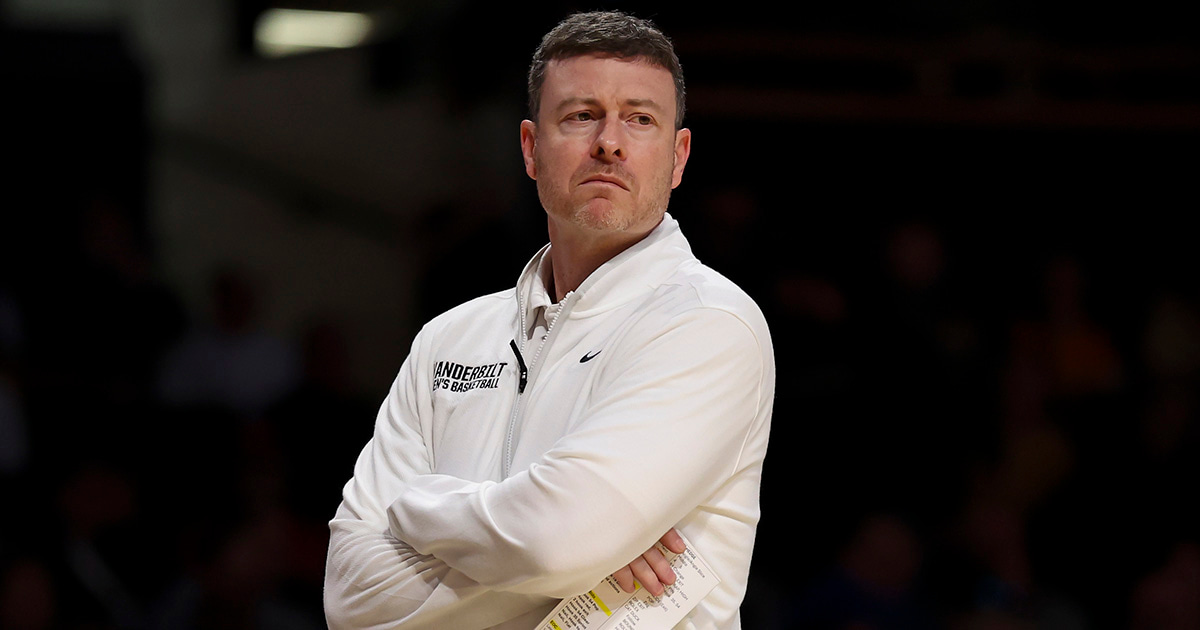
Head Coach Jerry Stackhouse, a former NBA star who’s navigated his own rocky coaching tenure in Nashville, couldn’t mask his satisfaction. “Gabe represents exactly the kind of player — and person we want here,” Stackhouse offered in a prepared statement. “He’s a phenomenal talent who trusts our vision for his future, and his decision validates the belief we have in our program and our city.” A quick glance at the stat sheet suggests that belief isn’t entirely misplaced: data from the Nike EYBL circuit shows Nesmith averaging a robust 18.6 points, 3.8 rebounds, and 2.5 assists per game for his team, Nightrydas. He’s an offensive engine, to be sure. His message to the fans? Pure, unadulterated intent. “Just want to let y’all know you’re going to get everything out of me. I’m going to work my hardest — and definitely going to work towards getting to the natty.” Aim high, kid. Aim high.
And what does the broader competitive landscape say? Recruiting top talent in American college basketball has, in recent years, taken on the intensity and complexity of international diplomacy. Every blue-chip athlete is, in essence, a hotly contested strategic asset. From Lahore to Louisville, the struggle to identify, cultivate, and ultimately secure specialized talent remains a relentless global endeavor. It’s a truth understood equally by a promising young cricket phenom in Pakistan eyeing a professional contract as it’s by an American hoops star considering a scholarship. It’s all about access, opportunity, — and the promise of a future.
What This Means
This commitment, in isolation, might appear a singular triumph, a testament to relentless recruitment. But it’s far more nuanced. Vanderbilt’s capture of Nesmith is a bold strategic play in a marketplace increasingly defined by Name, Image, and Likeness (NIL) deals, and a frantic reshuffling of college athletics’ power structures. For a program perpetually on the fringes, it’s not merely about adding a player; it’s about signaling intent, projecting an image of competitiveness that might lure subsequent talent. It hints at a subtle, underlying economic leverage at work, a potential investment in the athlete that transcends traditional scholarship offers. In an environment where major programs often find themselves locked in an astronomical bidding war for young talent, Vanderbilt’s ability to snag a prospect of Nesmith’s caliber suggests either a compelling sales pitch, a burgeoning NIL collective, or simply—and perhaps more tellingly—a genuine desire from a player to forge his own path. This commitment has an immediate ripple effect across the coaching circuits, perhaps forcing rivals to reconsider Vanderbilt as less of a perennial pushover and more of a nuisance to contend with on the recruiting trail. This isn’t just about basketball; it’s about branding, economic muscle-flexing, and a quiet jostle for regional, even national, prestige. The consequences, positive or otherwise, will play out for years.