

City Hall’s Demolition Leaves Cracks, Raises Blame Game in Albuquerque’s Old Town
POLICY WIRE — Albuquerque, U.S. — Nobody anticipated a routine city demolition project—one meant to clear the rubble of an old diner—would end up, quite literally, creating fissures in local...

POLICY WIRE — Albuquerque, U.S. — Nobody anticipated a routine city demolition project—one meant to clear the rubble of an old diner—would end up, quite literally, creating fissures in local governance and community trust. The dusty aftermath of Lindy’s Diner, an Albuquerque institution, hasn’t just cleared a lot; it’s exposed raw nerves, a potentially compromised structure, and what many are calling a masterclass in bureaucratic deflection from City Hall.
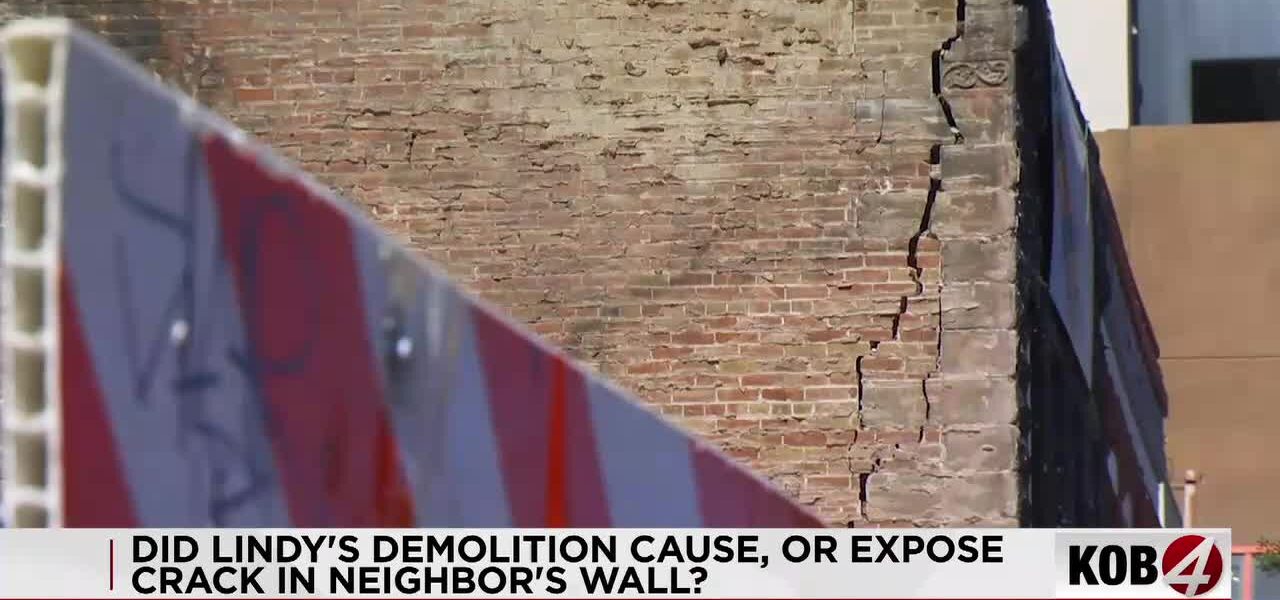
You see, it isn’t merely about an exposed wall. After crews tore down Lindy’s Diner, a rather stark reality hit its neighbor, Flamenco Works: a rather nasty crack. It runs along the second story, a fresh scar on a building that, until recently, shared a robust party wall. Jesus Muñoz, who serves as Executive Director at Flamenco Works, tells it like it’s: they’ve had this problem since around last Wednesday, just a few days after what remained of the old diner became history. He recalls a time when he couldn’t see daylight where a substantial building stood, a luxury now denied. He explained, There was another building here on the other side of Flamenco Works, which was Lindy’s, right? And I couldn’t see daylight then. I can see daylight now.
But the story doesn’t stop there. But that gaping space isn’t the only issue, not by a long shot. Flamenco Works, a cultural cornerstone (for traditional Spanish dance, among other things), found itself grappling with a severed electrical pole and a mangled gutter on the building’s backside. It’s a litany of small disasters, piling up like the forgotten debris of a rushed job. Muñoz has been vocal. He described it as not just this. Everything’s been detached. Nothing was reattached. There’s been no communication.
City officials, ever keen to manage optics, have countered with a familiar narrative. According to them, their contractors were oh-so-careful. They suggested the wall next to the Flamenco Works wall was carefully taken down by hand. the city’s statement hinted at the cracks being pre-existing, evidenced by, of all things, mouse droppings found within the bricks. It’s an assertion that conveniently shifts responsibility. Muñoz, though, wasn’t buying it. He asserted, Whether the crack existed or not is really kind of irrelevant for me. But now you have an exposed wall, so even beyond the crack, you have this exposed wall elements coming in. And, as we all know, mouse droppings tend to migrate—a somewhat flimsy excuse, wouldn’t you say?
And it turns out, in this demolition tango, communication was, initially, a total breakdown. Muñoz says there had been absolutely none, leaving his organization—and its employees, mind you—in the dark about the exact nature of the work, its timeline, or any precautions taken. The sheer casualness with which essential utilities seem to have been severed isn’t just an inconvenience; it represents a basic failure of project management and community engagement. You know, it’s the small details that make up the big picture—and these details scream neglect.
Yet, a glimmer of hope or, perhaps, a temporary reprieve, emerged. City Planning Director Alan Varela finally got on the horn with the owners post-interview, a conversation Muñoz described as positive. But positive talk doesn’t rebuild an exposed wall or reattach severed infrastructure. This incident isn’t isolated; it’s part of a wider trend. Across developing nations, from the densely packed old cities of Pakistan’s Lahore to the historical quarters of Delhi, property owners and municipal bodies frequently lock horns over damage from adjacent construction or demolition, often with accusations of pre-existing issues—or [QUOTE_PLACEHOLDER]—being the go-to defense.
📄 POLICY WIRE WHITEPAPER PUBLISHED: PAKISTAN'S NATIONAL SECURITY POLICY PRIORITIES
👉 READ BY CLICKING HEREThe City of Albuquerque, it seems, has now decided to give some advice. Its spokesperson suggested all owners of old buildings inspect and maintain them properly to ensure their structures are sound. A truly ironic bit of advice when their own contractors might have caused the issue. The company involved, Grancor Enterprises, is listed as a licensed — and bonded professional contractor. The fact that the city highlights this tells you something, doesn’t it?
One hard statistic from the U.S. Census Bureau’s 2022 Annual Capital Expenditures Survey states that a surprising 12% of construction and demolition incidents nationwide lead to significant adjacent property damage claims, underscoring a systemic vulnerability in urban development projects, particularly those involving older infrastructure. This isn’t just some local dust-up, then, is it?
What This Means
This whole Albuquerque affair, a minor local drama at first glance, reflects a much larger pattern in urban development and governance. Economically, when public projects cause private damage, the city or its contractors often bear the financial burden of repairs, impacting taxpayer dollars or project budgets—and sometimes forcing small businesses into costly legal battles. Politically, the blame game erodes trust in local government. When citizens see City Hall issuing stern advice about maintenance while allegedly neglecting its own oversight, it makes you wonder what else is slipping through the cracks—a question that resonates deeply with constituents from Karachi to Kansas City.
For communities with a significant Muslim population or those in South Asia, particularly Pakistan, the preservation of historical structures within rapidly modernizing urban landscapes often sparks similar disputes. It’s not just about a diner or a dance studio. It’s about the soul of a city — and who pays the price when progress is, shall we say, a bit clumsy. The struggle between rapid urbanization and heritage preservation—or even just maintaining existing, adjacent private property during municipal projects—is a global issue, consistently requiring nuanced policy responses that too often default to denial. For a deeper dive into how municipalities handle thorny issues like these, check out City Hall’s Wrecking Ball. It’s a common story, really, this delicate dance between responsibility — and rhetoric.