


China and ASEAN Reach 80% Agreement on South China Sea Pact Despite Missing Deadline
China and ASEAN diplomats finalize 80% of a South China Sea code of conduct, though legal and territorial disputes delay the final agreement.

POLICY WIRE — Manila, Philippines — — China and several Southeast Asian nations have achieved a significant milestone in drafting a maritime agreement for the South China Sea, though they failed to meet a previous goal of finalizing the deal by the end of this year.
The negotiations for the ‘code of conduct’ began in 2005 with the primary objective of preventing local maritime skirmishes from escalating into a broad conflict that could destabilize Asian economies. The framework aims to promote self-restraint and discourage aggressive provocations in the vital global shipping corridor.
In 2023, both China and the Association of Southeast Asian Nations (ASEAN) committed to accelerating their talks to reach a conclusion this year, following years of private discussions frequently interrupted by physical confrontations in contested waters.
Three senior diplomats familiar with the process indicated that following last month’s final session, the parties have reached a provisional consensus on approximately 80% of the text intended for the final document.
The remaining obstacles persist regarding the specific geographic boundaries covered by the accord, the legal definitions of sensitive terminology, and whether the final agreement will carry legal weight. These sources requested anonymity as they are not authorized to provide public details on the nuances of the stalled points.
Discussions are scheduled to resume next year as the ASEAN leadership chairmanship passes to Singapore. Under the leadership of the Philippines this year, the frequency of meetings increased to at least once monthly to give negotiators a better window to resolve outstanding differences.
China and Malaysia—which currently manages ASEAN’s relations with Beijing—co-led at least ten major negotiation rounds throughout the past year.
The progress of the pact and ongoing maritime incidents will serve as priority topics at the annual ASEAN summit starting this weekend in Manila. There, leaders will meet with representatives from Asia and the West, including officials from the United States and China.
China, Taiwan, Brunei, Malaysia, the Philippines, and Vietnam are all involved in enduring overlapping territorial claims over the waterway, which is thought to contain significant海底 oil and gas reserves.
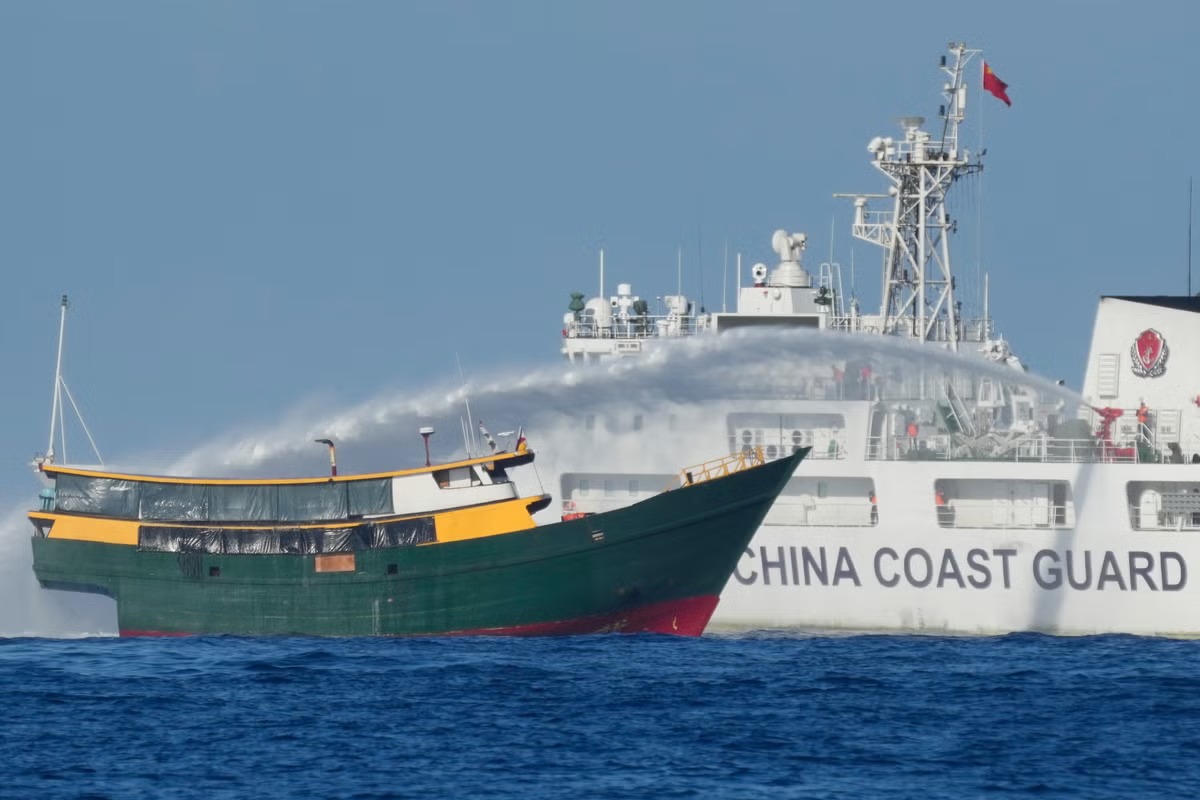
Tensions have risen recently, particularly between Chinese and Philippine naval and coast guard units at various shoals. A violent 1988 encounter at a reef resulted in the deaths of dozens of Vietnamese soldiers, marking one of the most lethal incidents in the region’s history.
The area remains a major flashpoint for conflict and has become a central stage in the broader geopolitical rivalry between the U.S. and China.
Reporting by Policy-Wire (PW)