


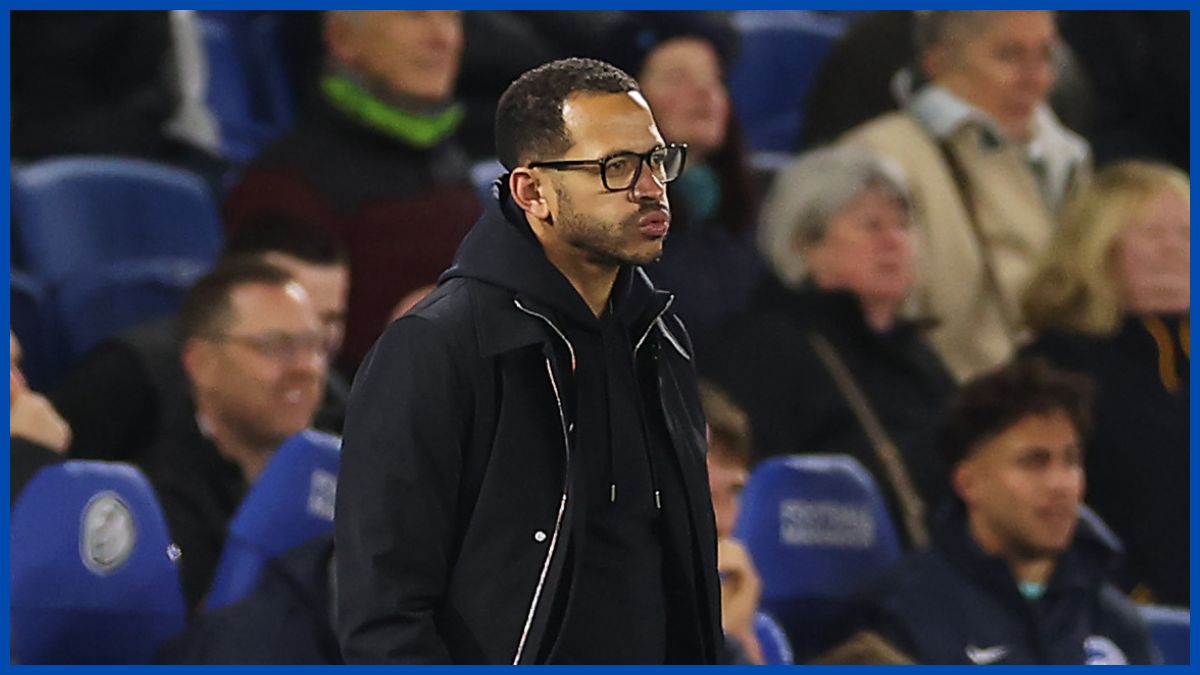
Chelsea FC’s Leadership Crisis: Player Behavior, Ownership Decisions, and Liam Rosenior’s Departure
POLICY WIRE — London, UK — The recent dismissal of Liam Rosenior from his coaching role at Chelsea Football Club has brought to light significant internal challenges, including concerns regarding...

POLICY WIRE — London, UK — The recent dismissal of Liam Rosenior from his coaching role at Chelsea Football Club has brought to light significant internal challenges, including concerns regarding player conduct and club management.
While Rosenior’s departure from the London club was widely anticipated, observations suggest that issues extending beyond the coaching staff, particularly related to player attitudes, contribute to the ongoing turmoil within the organization.
The Ownership’s Influence on Club Direction
At the core of Chelsea‘s current struggles lies the strategic direction set by its ownership, characterized by what many perceive as a naive and inexperienced project. This approach has reportedly led to the assembly of a squad that lacks crucial elements and overall quality.
Furthermore, the club’s recruitment processes have been entrusted to relatively inexperienced directors, a decision that has, quite frankly, not yielded positive results. This organizational structure directly contributed to the initial appointment of Liam Rosenior, a choice that hindsight suggests was ill-advised from the outset.
These decisions, including player acquisitions, have introduced individuals who appear to lack the maturity and respect vital for a top-tier professional environment. Such internal issues are not unique to English football, with other major European clubs also navigating complex management and transfer landscapes. Read More: Bayern Munich Advances to DFB-Pokal Final with 2-0 Leverkusen Win; Vlahović, Davies, & Diomande Transfer Speculation Mounts
Player Conduct Under Scrutiny
Despite the generally poor performance during Rosenior‘s tenure, which has not been favorably reviewed by observers, a basic level of respect between players and management is always expected. This includes refraining from mocking or disparaging a coach behind their back.
Reports from the BBC indicate that at least one Chelsea player referred to Liam Rosenior disparagingly as “the supply teacher.” Such behavior is typically associated with fans, not professional athletes, and points to a significant lack of discipline within the squad.
It is widely speculated that some players might have reacted positively to the news of the coach’s dismissal. This attitude suggests that a considerable number of current players, whose conduct has been deemed unprofessional, may also need to be replaced alongside the former coaching staff.
Future Leadership and Dressing Room Dynamics
The search for Chelsea‘s next permanent manager is currently underway, with expectations of a shortlist featuring five to ten candidates. Among those reportedly admired for the role is former club legend Cesc Fabregas, according to recent disclosures.
A key factor in Liam Rosenior‘s ultimate departure was reportedly a breakdown in relationships with specific factions within the Chelsea dressing room. It has been suggested that Spanish-speaking players, in particular, expressed significant disapproval of his management style.