


Chargers’ High-Stakes Gamble: A Macroeconomic Lens on Gridiron Fortunes
POLICY WIRE — Los Angeles, United States — The thunder of speculative capital often finds its unlikely echoes in the stadium, particularly when an organization like the Los Angeles Chargers – with...

POLICY WIRE — Los Angeles, United States — The thunder of speculative capital often finds its unlikely echoes in the stadium, particularly when an organization like the Los Angeles Chargers – with its long, somewhat checkered history of high hopes and unexpected fizzles – pours substantial resources into what can only be described as a grand portfolio rebalancing act. They’ve gone big, indeed. But is it shrewd fiscal strategy, or just another throw of the dice in an increasingly volatile human capital market?
It isn’t about just lining up talent; it’s about managing assets in a global entertainment economy. That’s the real story behind those splashy new signings like center Tyler Biadasz, defensive tackle Dalvin Tomlinson, and tight end David Njoku, alongside highly-touted draftees Jake Slaughter and Akeem Mesidor. These aren’t simply football players. They’re million-dollar investments, subject to the whims of physical endurance and the notoriously opaque variables of team chemistry. Many economists—the sharp ones, that’s—would say it’s no different than hedging against inflation with emerging market equities: high reward, certainly, but also considerable risk.
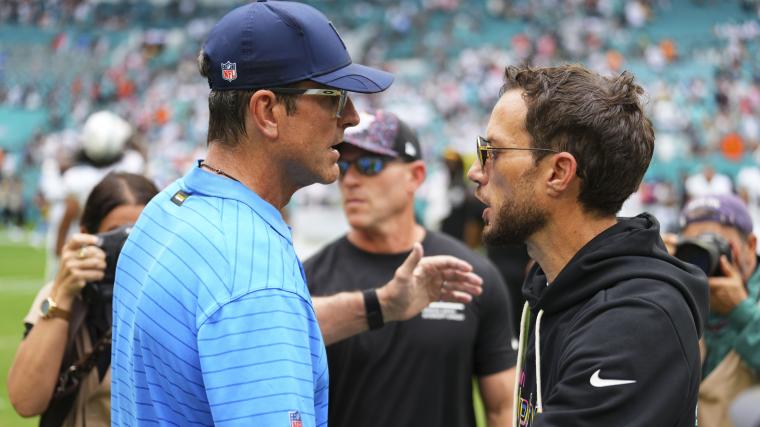
The architects of this aggressive refresh are, of course, quarterback Justin Herbert — and new head coach Mike McDaniel. Their tandem isn’t merely a strategic partnership on the field; it’s the cornerstone of a rebranded corporate identity, a bet on innovation over incrementalism. We’ve seen this sort of disruptive hiring strategy in Silicon Valley, in banking, even in nascent tech hubs sprouting across South Asia – a high-profile figure brought in to re-energize flagging returns. But can this particular partnership translate the colossal outlays into consistent on-field prosperity?
“Organizations in this league often mistake activity for accomplishment,” noted Dr. Anya Sharma, an expert in sports economics at Georgetown University. “The sheer volume of new acquisitions doesn’t automatically correlate to better performance. It increases payroll overhead, complicates team dynamics, and often front-loads expectations that are incredibly difficult to meet, especially in a zero-sum game where only one team actually wins the ultimate prize.” Her assessment isn’t unique; it’s a cold dash of fiscal reality for those consumed by jersey sales and pre-season hype. It’s a sobering thought, but that’s how it often shakes out.
And let’s be honest: the Chargers’ Achilles’ heel hasn’t been a lack of talent or opportunity; it’s been injuries. Bad ones. Relentless ones. It’s a risk factor that’s built right into the sport’s brutal calculus. You can buy the most robust machinery, but if it keeps breaking down, your production output suffers, plain — and simple. The offensive line, bolstered by Biadasz and Slaughter alongside returning stalwarts Joe Alt and Rashawn Slater, certainly looks formidable on paper. So does the defensive unit, always a stout proposition. But paper, as they say, doesn’t tear ligaments.
Because ultimately, this isn’t just a tale for local fans. It’s a parable for larger financial institutions and nation-states alike, grappling with allocating massive capital under uncertainty. Think about it: a developing nation, say, Pakistan, investing heavily in infrastructure or a new tech sector. The hope is transformative growth. The fear? Unexpected exogenous shocks – a natural disaster, a sudden economic downturn – rendering those investments less potent than anticipated. It’s the same principle. You make your best plans, you commit your resources, and then you just… hope the economic climate—or the medical gods—smile on you. This isn’t just sports; it’s risk management on a very public stage.
The National Football League generated an estimated 18 billion U.S. dollars in revenue during the 2022-2023 season, according to Statista, illustrating the massive scale of the enterprise. This isn’t small potatoes; it’s big business with major implications for local economies — and media landscapes. But the Chargers, even with their significant investments, still only snagged a ‘B’ grade from CBS Sports’ Tyler Sullivan – a decent mark, perhaps, but hardly an A+. It speaks volumes about the skepticism inherent in evaluating future returns on these types of speculative investments. A B is alright. But for how much cash they’re splashing around, is ‘alright’ truly enough?
But here’s the kicker, the narrative twist so often overlooked: the inherent tension between star power and systemic stability. All eyes are on Herbert. Can he elevate the entire venture? This echoes dialogues within corporations debating whether to bet big on a ‘superstar’ CEO versus nurturing broader organizational strength. “We’re past the era of simply throwing money at a problem and expecting a miracle,” stated Councilwoman Emilia Santos, a Los Angeles city official with a keen eye on municipal economic impact. “For a team like the Chargers, who bring substantial economic activity to our city, every dollar they spend on their roster is a public concern – it reflects on confidence, on future development opportunities. We want to see sustained success, not just an expensive roll of the dice.” Her sentiment is palpable; a franchise’s fortunes ripple far beyond the field.
What This Means
This Chargers offseason, viewed through a macroeconomic lens, illustrates the raw, almost brutal realities of high-stakes capital deployment. It’s a stark reminder that even in the world of professional sports, where billions flow like water, return on investment is anything but guaranteed. Politically, the narrative becomes one of local pride tied to national economic performance; successful teams bolster municipal morale and economic indicators through tourism, tax revenue, and job creation. Conversely, consistent underperformance, especially following significant public or corporate investment, can breed disillusionment and fuel debates about the efficacy of private-public partnerships surrounding sports venues and events. Economically, it’s a masterclass in market volatility, human capital risk, and the speculative nature of allocating vast sums towards a non-guaranteed outcome. For organizations, or even governments, looking to make substantial changes to their operational core, the Chargers’ 2026 gambit serves as a real-time, very public case study in ambition versus cold, hard probability. It’s an investment strategy that could launch them into the stratosphere—or see them tumble, costly and conspicuous, back to earth. You just don’t know, do you? And that, my friends, is the game.